
How Is Metro Advertising Changing in India in 2026? Trends, Technology & Brand Strategies
India's metro network has grown fast, and so has outdoor advertising in India. Discover how OOH companies use DOOH, programmatic buying, and data to run smarter metro and bus advertising campaigns in 2026.
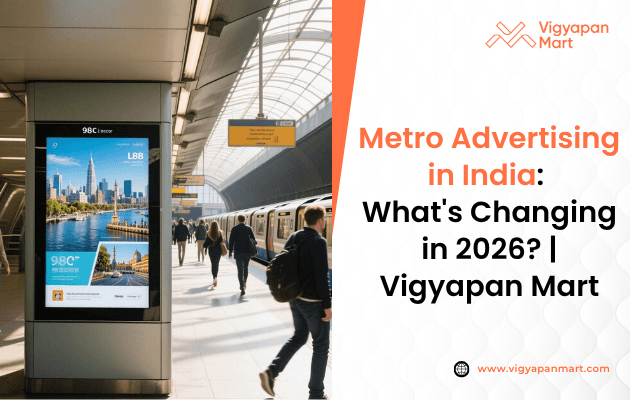
India’s metro is changing the ways people travel through cities and brand reach to them. The country’s metro network grew from 248 km in 2014 to 1,095 km by 2025 and went from covering 5 cities to 26 in the same period.
Now, brands have a much larger canvas to show ads to their target audiences. But metro advertising is not just limited to posters, panels and train wraps anymore. In 2026, metro advertising allows brands to use digital screens, traffic data, interactive formats and experiential campaigns to make their messages more relevant and memorable.
But how exactly is this changing metro advertising in India? Let’s discuss in detail.
Metro Advertising:
Metro advertising service is all the static posters, digital screen ads, data-driven targeting, interactive formats, and immersive brand experiences in metro stations and trains.
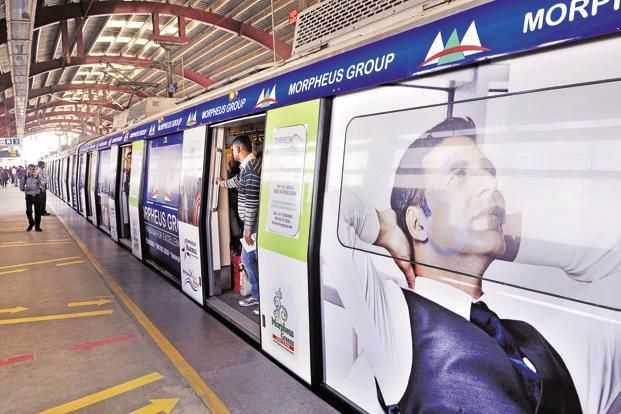
From Static Displays to Digital Metro Advertising:
Traditional metro advertising still works. You can easily see ads on large station panels, pillar branding and train wraps.
But the digital formats are growing quickly and changing the game.
Digital Out-of-Home (DOOH) screens can run multiple ads in the same locations. They can also change messages quickly and based on real traffic data. Means more flexibility and control over the ad placements.
Notably, India’s DOOH market was around $2.43 billion in 2025 and is expected to reach $6.41 billion by 2034.
For metro advertisers, this means the screen is a dynamic communication platform for brands.
AI and Data Are Making Metro Campaigns Smarter:
AI and data have become the base of modern DOOH advertising. Especially in metro advertising, where thousands of people from different demographics travel every day.
Instead of showing the same ads throughout the day, now brands use data to find the best footfall, audience, time, and route for their ads. They set ads based on commuter patterns.
AI can further support media planning, advertisement optimisation and audience analysis. The goal is simple- show the right message at the right place at the right time.
Programmatic DOOH
Programmatic DOOH is the automated buying and delivery of digital outdoor advertising using data to show ads based on factors such as location, time, audience, and context.
Programmatic DOOH Is Making Campaigns More Flexible:
Programmatic DOOH is another huge development in metro advertising. This tech allows brands to automate the buying of ad placement based on their best time, audience, and locations.
This offers brands more flexibility and makes changes more efficiently. This is particularly useful for brands running campaigns across multiple metro cities like Delhi NCR, Noida, and Gurugram, where audience patterns and commuter routes vary significantly. With the rise of programmatic DOOH, metro advertising is shifting from “Where can I put my ad?” to “Which audience can I reach here, and when?”
Metro Stations Are Becoming Brand Experience Zones:
The best metro advertising is not just about installing an ad. It's about being merged with the surroundings and giving an experience to the viewers.
Brands can place their ads on station takeovers, pillar wraps, platform branding, train wraps, 3D creatives and interactive installations. These often create memorable experiences for the viewers.
Plus, using QR codes will connect your commuters directly to websites, offers, contests or social media campaigns. This will give visibility to offline ads and visit to your digital platforms instantly.
The key to creating brand experiences is creativity. Bold visuals, simple messages, interactive ads, and access to digital profiles give your viewers experiences instead of just another ad.
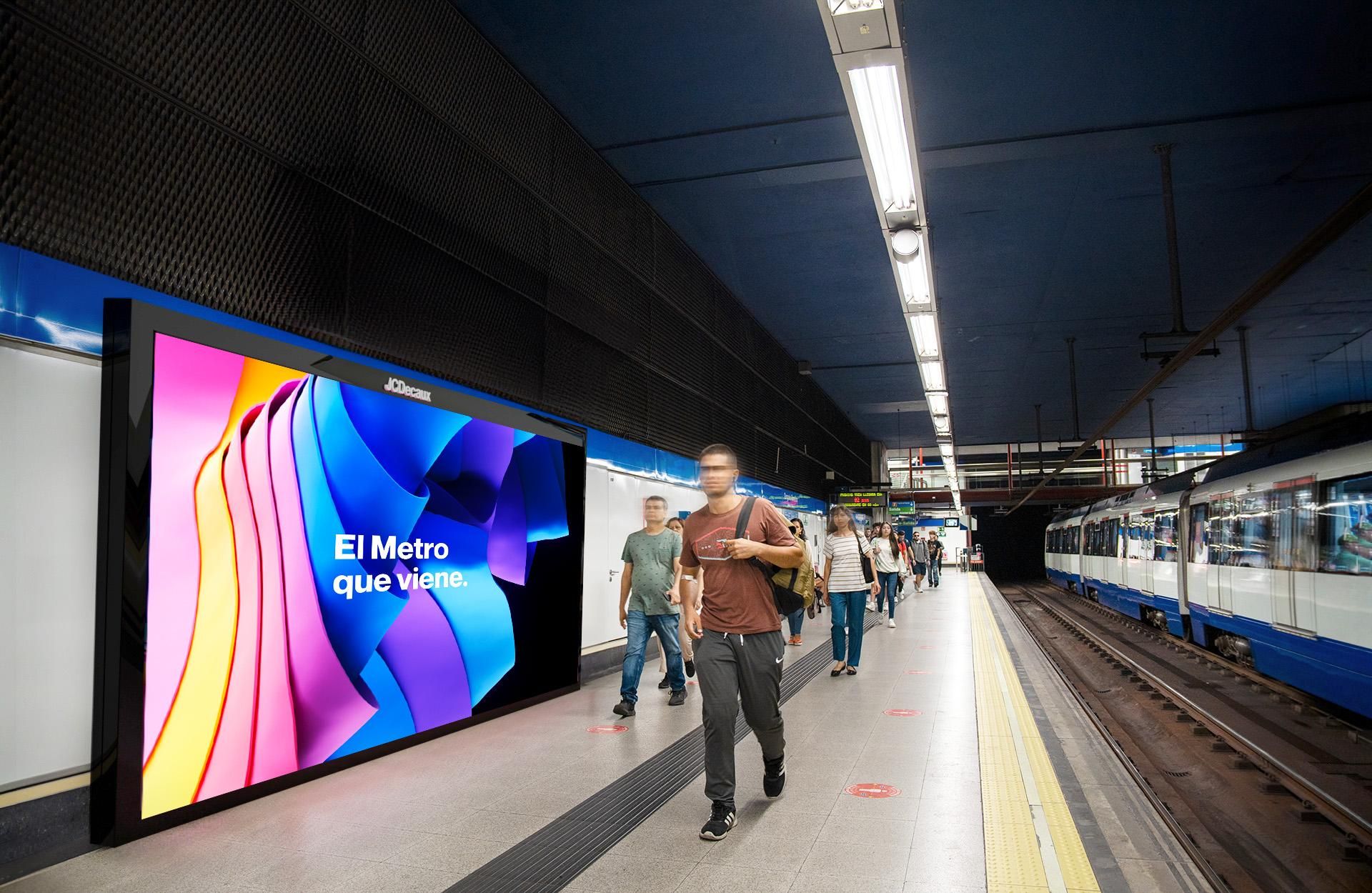
DOOH Advertising
DOOH Advertising uses digital screens in public spaces to display dynamic brand messages that can be updated based on location, time, audience, traffic, or other real-time conditions.
Audio + Visual Could Create a New Advertising Layer:
Another advantage of metro advertising is its sound and visual powers. Brands can use the in-train audio advertising across the Red, Yellow, Blue and Magenta lines.
This creates another layer of interaction with commuters where they listen to audio and also see the physical visual OOH advertising.
Audio & Visuals can complement each other and reinforce product launches, entertainment promotions, retail offers and other campaigns.
However, you should smartly schedule your ads as repetitive advertising can easily become irritating.
Station Co-Branding Is Taking Metro Advertising Further:
Metro advertising is also moving from individual ad spaces to co-branding opportunities. Now, brands can associate with an entire metro station rather than just purchasing a single advertising panel.
This is extremely explosive for brands that want long-term visibility and stronger location-based association.
What Should Brands Do Differently in 2026?
Tech & partnerships are changing metro advertising, so brands need to change their strategies as well. Here are six simple ideas.
Choose stations, not just cities: Focus on footfall and audience quality.
- Combine formats: Use static ( billboard advertising ), digital, train and experiential media together.
- Design for seconds: Keep messages bold, short and easy to understand.
- Connect offline with online: Use QR codes and digital experiences.
- Measure performance: Track available indicators such as reach, engagement and scans.
- Create experiences: Build campaigns that commuters remember and want to share.
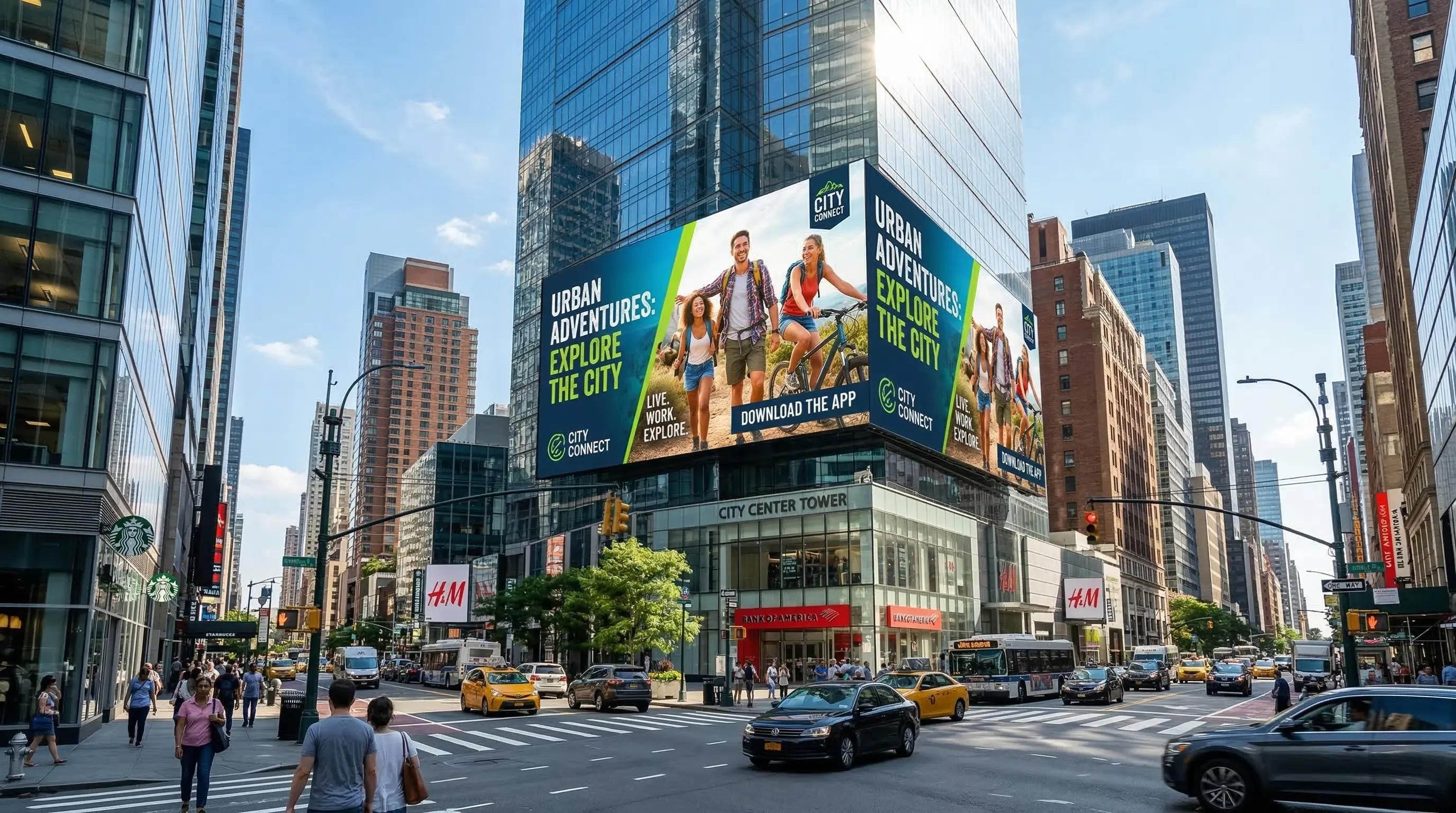
How Can Vigyapan Mart Help Brands Build Smarter Metro Advertising Campaigns?
Vigyapan Mart is among the top 360-degree marketing, branding, and Outdoor advertising companies in India and helps brands plan and execute impactful metro advertising campaigns. From selecting high-footfall stations and choosing the right formats to combining static, digital, and experiential media, we create campaigns that improve visibility, strengthen brand recall, and connect with urban audiences.
Conclusion: Metro Advertising Is Becoming Smarter
Metro advertising in India is changing heavily. It is transforming from static to digital and data-driven. Plus, brands are now making their DOOH ads immersive and experiential to engage audiences the most.
Notably, India's metro network gives brands access to millions of urban commuters. But simply putting an ad is not enough now. In 2026, successful metro advertising combines strong locations, creative storytelling and smart technology.
Remember, the metro is not just a place where people pass and may see your ads. It is becoming a powerful advertising environment where brands can capture attention and create experiences for all.
Searching for the best transit advertising services in India? Connect with Vigyapan Mart OOH experts today.
FAQs:
1. Is metro advertising still effective with the growth of digital advertising?
Answer: Yes. Metro advertising offers repeated exposure, high commuter visibility, and premium urban audiences while complementing digital campaigns.
2. How is technology changing metro advertising in 2026?
Answer: Digital screens, AI, audience data, programmatic buying, QR codes, and interactive formats are making metro campaigns more flexible and measurable.
3. What is the advantage of combining static and digital metro advertising?
Answer: Combining formats creates multiple brand touchpoints across the commuter journey, improving visibility, consistency, engagement, and overall campaign impact.
4. Can metro advertising campaigns connect with digital platforms?
Answer: Yes. QR codes, landing pages, social media campaigns, apps, and digital offers can connect physical metro advertising with measurable online actions.
5. How should brands choose metro stations for advertising?
Answer: Brands should consider commuter footfall, audience profile, location relevance, nearby businesses, interchange traffic, and campaign objectives rather than choosing stations based only on size.
Subscribe to our newsletter
Get updates instantly! Join our community for the latest marketing insights.