
Designing for Street Furniture: Visibility and Vandalism Resistance
Street furniture advertising needs strong visibility and vandalism resistance to succeed in India. This blog explains smart design choices materials lighting and technology that protect ads boost engagement reduce repair costs and deliver better OOH ROI for brands nationwide campaigns.
Published March 31, 2026 · Updated April 13, 2026
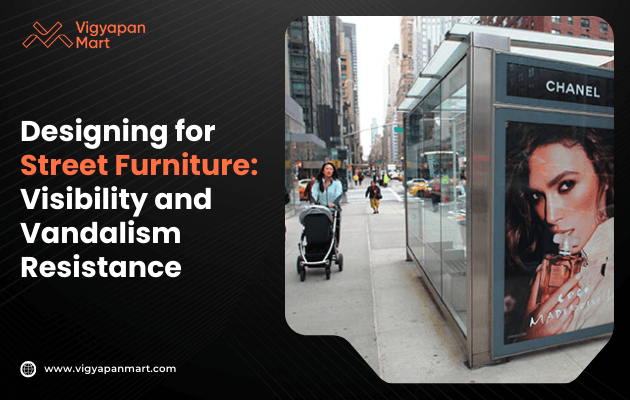
Picture a busy street in your city where a bus shelter advertisement catches your eye even in the heavy rain. But it stays clean and there are no graffiti or dents. This is street furniture advertising at its best. These ads are placed on benches, kiosks, and shelters that deliver messages loud and clear.
In India’s fast-growing OOH market, good design means high visibility and strong defence against vandalism. Why? Because poor design always loses money and attention. You always need to spend on repairs and miss chances to engage with the audience. Results? Less ROI and brand awareness. But the question is, how to make sure of high visibility and engagement? In this blog, we will share simple tips to make your street furniture ads shine bright and last long.
Understanding Visibility in Street Furniture Advertisement Design
Visibility is key for street furniture advertising. It means your ad must grab attention from moving people and vehicles. So what to do? Place your ad displays at eye level, about 1.5 to 2 metres high for benches and shelters. Use bright colours with high contrast, like yellow text on black backgrounds. These work well under the Indian sun or city lights. Next, add smart lighting such as Backlit panels or LED edges that make ads pop at night. For Kiosks, curved screens increase viewing angles. And not to forget about the digital screens with motion sensors that draw more eyes by changing content based on crowds.
Now, what to do as a brand? The first thing should be testing. Test your ads for real streets. Glare from headlights or shop signs can hide messages. In Mumbai-like cities, simple backlighting can help the ads reach 30% more people during peak hours. How? Because good visibility turns passive walkers into engaged customers, it is perfect for retail brands pushing sales.
Combating Vandalism: Materials and Structural Strategies
Vandalism hits hard in busy Indian cities. Several brands see graffiti, kicks, accidents, etc. every now and then. Results? Broken visibility and engagement resulted in low ROI and wasted money. So what to do? Choose tough materials for vandalism resistant designs, such as stainless steel with powder coating that resists scratches and rust. Replace your glass with Polycarbonate sheets, as they don’t shatter easily.
Next, apply anti-graffiti coatings that let the paint wipe off with water, saving repair costs. Next, use hidden screws and rounded edges to stop tampering. Modular parts means quick fixes without full replacement. Moreover, utilise the new-age tech to protect your advertisements. For example, CCTV cameras with motion alerts scare off vandals, and Self-healing films repair small scratches on their own. Kiosks with metal panels have cut cleaning needs by a lot and increased the OOH assets by 2-3 years longer. Now, why do all these matter? Because smart spending upfront means fewer headaches later for advertisers.
Innovative Designs and Best Practices for Street Furniture Ads
Blend visibility and resistance for top street furniture advertising. Hybrid designs use curved OLED screens with tough glass covers. They stay visible and safe, keeping your ad shining all the time.
Here are five best practices:
- Layer security: Vinyl wraps over digital panels peel off if tagged.
- Adaptive lights: Auto-adjust to traffic for max daytime glow.
- Eco-materials: Recycled composites look modern and appeal to green brands.
- Quick-swap modules: Change ad faces in minutes without tools.
- AI monitoring: Apps alert teams to damage fast.
But what’s the future of street furniture advertisements?
Very soon, we will see programmatic OOH screens that shift ads if vandalism is spotted. There will be more QR codes in OOH ads for trackable engagement. AR will also change how people interact with the ads. Results? These features will boost engagement rates with zero major damage soon.
Conclusion
Street furniture advertising is a great method to make your ad viral, but the future demands it to thrive on smart designs that ensure visibility and fight vandalism. In this blog, we have suggested some of the top solutions against such everyday challenges, such as eye-level displays and using tough materials like polycarbonate. These steps protect your investment in India's rough urban spots. So what to do next? Test, use best practices, and watch engagement grow. For marketers in OOH, this means better ROI and standout campaigns. Ready to upgrade? Connect with Vigyapan Mart street furniture advertising experts.
Subscribe to our newsletter
Get updates instantly! Join our community for the latest marketing insights.