
The Role of Street Furniture in Smart City Infrastructure
Street furniture plays a key role in smart city infrastructure by improving safety, sustainability, and public life. From smart benches to eco-friendly lighting, these everyday elements create welcoming, connected, and efficient spaces that benefit citizens and businesses alike.
Published July 11, 2025 · Updated April 13, 2026
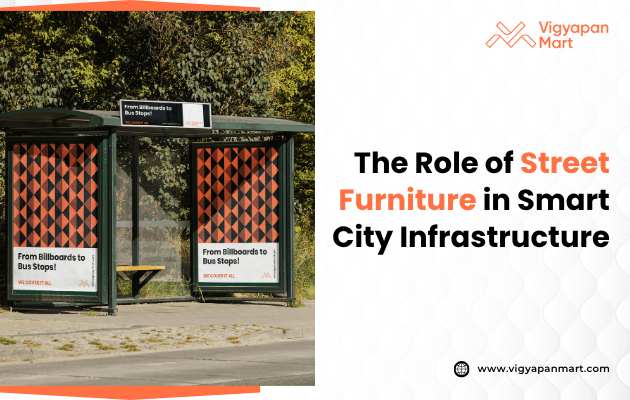
Smart cities aim to make life better and easier for everyone. Technology and good planning come together to create places that are safer, cleaner, and more welcoming. One key part of any smart city is street furniture-the benches, lamp posts, bins, bus stops, bike racks, and more found on streets and in parks. These items might seem simple, but they play a huge role in shaping how we live and move in modern cities.
What is Street Furniture?
- Street furniture includes:
- Benches and seating areas
- Lamp posts and street lights
- Trash bins and recycling containers
- Bus stops and shelters
- Bike racks
- Signs, bollards, and planters
These are designed to make public spaces useful, comfortable, and attractive for everyone.
How Street Furniture Shapes Urban Life?
1. Making Spaces Welcoming and Safe
Street furniture encourages people to gather, rest, and interact. Benches let people sit and enjoy parks or wait for friends. Bins help keep places clean. Well-lit lamp posts make streets safer, especially at night.
Smart benches and lighting can now include sensors for light, air quality, and movement. These not only make areas safer but help city planners understand how people use public spaces.
2. Supporting Local Businesses and Community
Well-designed public spaces with quality street furniture attract more visitors. People are more likely to stop at a café, explore shops, or attend local events in comfortable, attractive streets. Studies have shown that well-designed public spaces can boost local business sales by up to 20%.
Street furniture can also reflect the cultural identity and character of a city, making areas more appealing to tourists and locals alike.
3. Improving Health and Social Life
Street furniture brings people together. Parks with benches, shade, and water fountains invite groups to relax and socialize. Play equipment and tables encourage outdoor activities and exercise. Access to green spaces and community features can reduce the risk of mental health disorders by up to 30%.
What is Smart Street Furniture?
Smart street furniture uses new technology for everyday city life. This includes:
- Benches with solar-powered phone charging
- Wi-Fi hotspots
- Bins that send alerts when they are full
- Real-time digital signs at bus stops
- Lamp posts that dim when no one is around
These devices gather data and help cities respond quickly to needs. For example, sensors can measure air quality, noise, and traffic levels, which helps cities address safety and environmental concerns.
Benefits of Smart Street Furniture
- Better Services: Citizens enjoy free Wi-Fi, phone charging, and real-time travel information.
- Cleaner Cities: Full bins send messages to cleaning teams, keeping streets tidier.
- Safer Areas: Smart lighting improves safety and saves energy by adjusting light when needed.
- City Data: City leaders collect information to improve traffic, health, waste management, and energy use.
- Economic Savings: Many smart street furniture items can fund themselves through advertising, reducing costs for cities.
Street Furniture and Sustainability
Many cities now use eco-friendly materials, solar energy, and smart technology in their street furniture. For example:
- Solar-powered benches reduce the city's electricity use.
- Recycling bins and green planters support clean, healthy environments.
- Smart features save water and energy, making cities more sustainable for future generations.
| Fact | Data/Information |
|---|---|
| Street furniture market size (2024) | $5.6 billion in 2024 |
| Expected market growth (2025-2034) | 6.7% compound annual growth rate |
| Sales increase near good street furniture | Up to 20% more for local businesses |
| Mental health risk reduction (access to green space) | Up to 30% lower risk |
| NYC smart kiosk advertising revenue | $500 million |
Conclusion
Street furniture, old and new, simple and smart, plays a powerful role in making cities comfortable, clean, and lively. As more places become smart cities, the furniture around us will continue to get more useful and more connected. Whether it’s a bench under a tree, a solar-powered lamp post, or a digital kiosk, every piece helps create cities where people can live, work, and play in safety and comfort. Want to launch your next sustainable city street furniture advertising campaign? Connect with Vigyapan Mart today.
Subscribe to our newsletter
Get updates instantly! Join our community for the latest marketing insights.