
Where Should Brands Advertise in the Delhi Metro Network for Maximum Visibility and Recall?
Delhi Metro is more than a transport network. It is one of Delhi-NCR's largest daily audience platforms for brands.
Published September 4, 2026
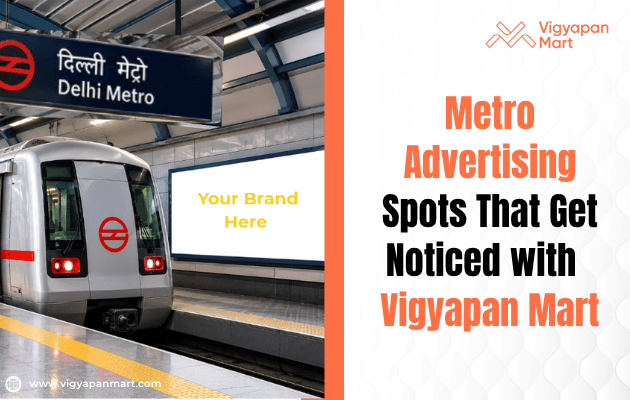
During FY 2025–26, the Delhi Metro saw approximately 66.79 lakh passenger journeys per day. Moreover, Delhi Metro works from around 6:00 A.M. to 11:00 P.M., and the train frequency at peak hours is approximately 2 Minutes 45 Seconds.
This huge scale means huge opportunities for brands to advertise their services and products and engage with Delhi commuters.
But there is an important question:
Where should you advertise inside the Delhi Metro network to get maximum visibility and brand recall?
The answer is not simply "the busiest station." Brands need to consider footfall, interchange traffic, audience profile, dwell time, location, and campaign objectives.
Here are the Delhi Metro locations that deserve the most attention.
Metro Advertising:
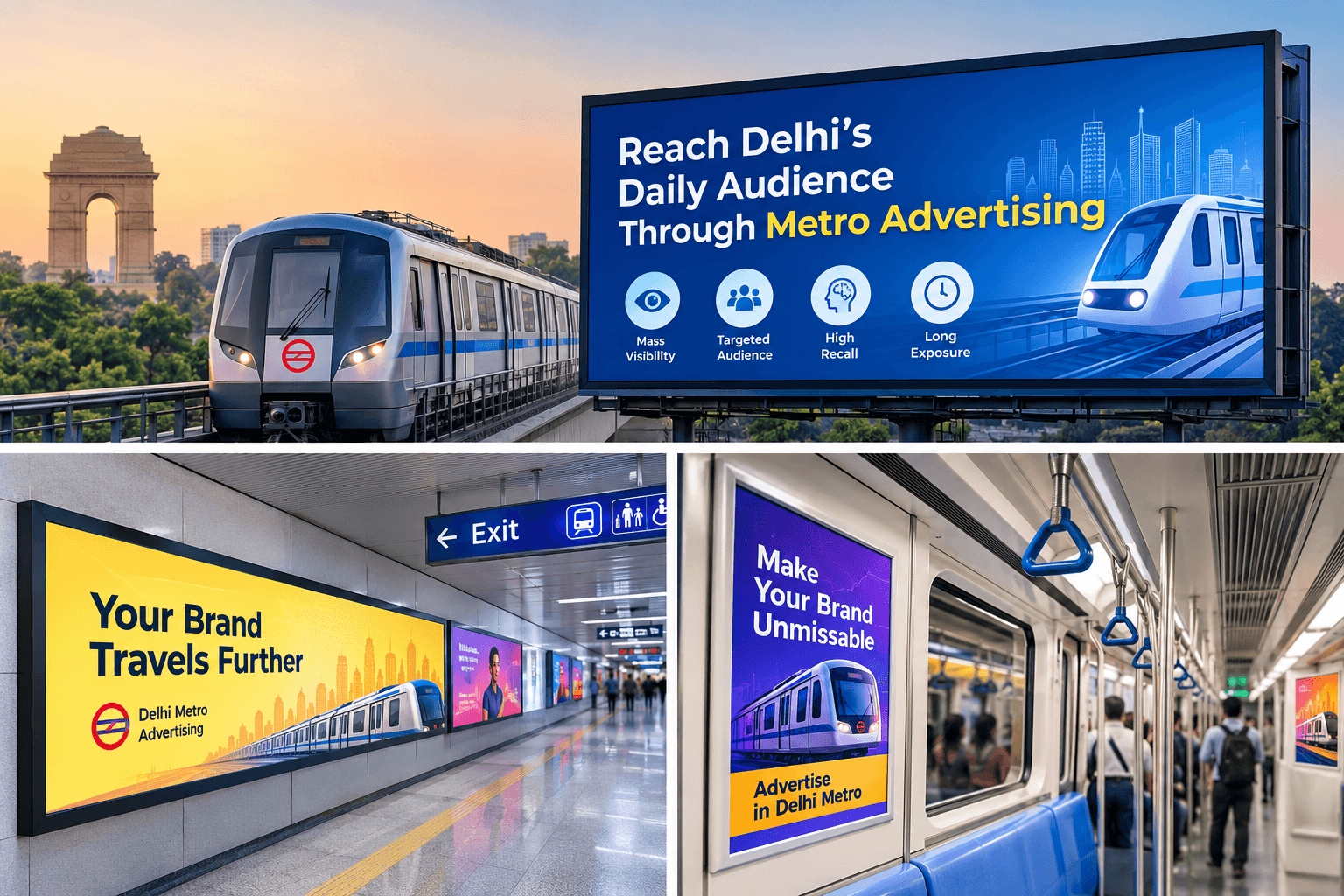
Metro Train Advertising refers to promotional displays placed across metro stations, trains, platforms, corridors, escalators, and other metro network spaces.
1. Rajiv Chowk: For Massive Visibility
Rajiv Chowk is one of the busiest locations in the Delhi Metro network. It is located in the heart of Connaught Place and connects the Blue Line and Yellow Line.
Notably, Rajiv Chowk is one of the major business spaces of Delhi that is filled with industries such as:
- Consumer brands
- Financial services
- Telecom companies
- Automobiles
- Entertainment brands
- Fashion companies
- Technology businesses
This makes Rajiv Chowk highly suitable for large-scale awareness and luxury experiential activations.
2. Kashmere Gate: Reach Multiple Commuter Segments
Kashmere Gate is another high-level advertising location that connects the Red, Yellow, and Violet metro lines.
Notably, the station is also a major transport hub in North Delhi that connects a broader mix of commuters from the whole city and beyond.
Brands can use large-format station media for awareness and smaller digital or static formats for repeated messaging.
Billboard Advertising:
Billboard advertising is a form of outdoor advertising that uses large-format displays placed along roads, highways, commercial areas, and other high-visibility locations.
3. New Delhi: Target Travellers and Working Professionals
New Delhi metro station is highly strategically important because it connects to the Airport express network and a major railway station in the city.
It also acts as a gateway for tourist and working professionals that means brands can target people from outside Delhi. So it can be highly beneficial for brands that want to target the following segments.
- Business travellers
- Tourists
- Working professionals
- Airport passengers
- High-frequency commuters
Travel-related brands, hotels, financial services, technology companies, luggage brands, food and beverage companies, and premium services can explore this location.
The key advantage is the diverse audience.
4. Central Secretariat: Reach Delhi's Business and Government Districts
Central Secretariat is an important station for brands targeting professionals and people travelling through central Delhi. The station is connected to the Yellow and Violet Lines and sits close to important government and institutional areas.
For B2B brands, financial services, automobiles, education, technology, and professional services, this type of location can provide a relevant audience.
The objective here should not only be mass visibility. Relevance Matters!
5. Hauz Khas: Connect With Young and Urban Audiences
Hauz khas Metro station connects the Yellow and Magenta Lines that makes it a powerful interchange. Hauz khas is very special because of its younger, educated, and urban consumers.
It has promising business surroundings that include:
- Educational institutions
- Offices
- Restaurants
- Retail destinations
- Residential areas.
This makes it highly suitable for:
- EdTech brands
- Fashion brands
- Food and beverage companies
- Consumer technology
- Entertainment
- Start-ups
- Lifestyle brands
Note: Go for creative advertisements as younger audiences like such campaigns more.
Creative Outdoor Advertising:
Creative outdoor advertising refers to innovative advertising campaigns that use unique concepts, designs, formats, or installations in public outdoor spaces.
6. Lajpat Nagar: Strong Retail and Shopping Catchment
Lajpat Nagar is another useful advertising destination.
The station serves one of South Delhi's major shopping and residential areas and connects multiple metro corridors. Advertisements in this metro station may highly benefit the following industries:
- Fashion brands
- Jewellery companies
- Food brands
- Consumer electronics businesses
- Local businesses
Since the place is a shopping centre, brands can reach people who are already in a shopping mindset. This leads the consumers from brand awareness to physical visits.
7. Rajouri Garden: Target Shopping and Lifestyle Audiences
Rajouri garden is a very important location for West Delhi. The surrounding area has strong retail, food, entertainment, and residential activities that make this station suitable for the following industries:
Fashion, Beauty, Food, Furniture, Real Estate, Consumer Electronics, Lifestyle Brands, etc.
But instead of running a general message, use location specific communication or reference.
8. Botanical Garden: Reach the Noida-Delhi Audience
The Botanical Garden is strategically important because it connects Noida and Delhi NCR through its Metro lines.
This Metro line especially sees professionals, students, residents, and business people. This place has great potential for brands from several industries such as:
- Real estate
- Technology companies
- Educational institutions
- Automobiles
- Financial services
- Consumer brands
9. Airport Express: Premium and Travel-Focused Advertising
For premium brands, the Airport Express Line offers a different advertising opportunity.
The corridor connects New Delhi with the airport and Dwarka/Yashobhoomi areas. This sector connects with business travellers, tourists, professionals, and airport passengers.
These are high-class demographic audiences that are ideal potential customers for the following industries:
- Luxury brands
- Hospitality companies
- Automobiles
- Financial services
- Premium real estate
- Technology
- Travel businesses
These industries can use this environment to create a more premium brand image of themselves. However, make sure to use only quality creatives here.
Quality and location both matter here.
10. Don't Ignore the Train
Station advertising creates visibility. Train advertising creates frequency.
A commuter travelling on the same route every day may see the same campaign repeatedly.
Brands can use:
- Door branding
- Interior panels
- Digital screens
- Grab-handle branding
- Coach branding
A full train wrap can create a strong visual impression, while interior advertising can support repeated brand exposure during the journey.
This combination can be particularly effective for product launches and large consumer campaigns.
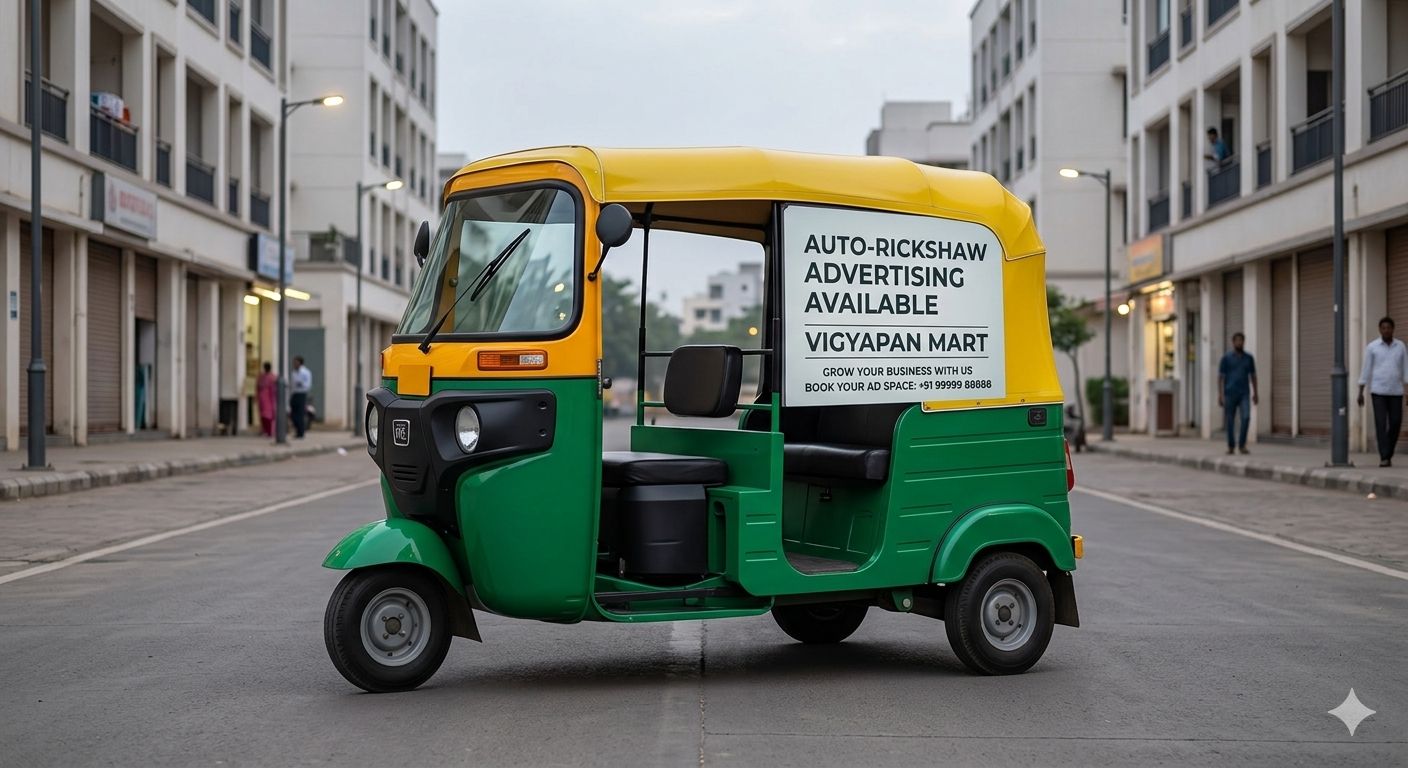
Auto advertising is a form of transit advertising where promotional messages, brand graphics, or advertisements are displayed on or inside auto-rickshaws.
How Can Brands Get the Best Out of Delhi Metro Network?
One of the biggest mistakes brands make is that they choose one station and expect it to deliver everything. Instead, their approach should be connecting a network according to their target audiences.
For example:
1. A Fashion Brand Should Use:
Rajiv Chowk + Hauz Khas + Lajpat Nagar + Rajouri Garden
2. A Real Estate Brand Should Use:
Botanical Garden + key interchange stations + relevant residential stations.
3. A Corporate or Finance Brand Should Use:
Rajiv Chowk + Central Secretariat + New Delhi + major interchange station
Your right combination of metro stations depends on objectives.
Static + Digital + Experiential = Stronger Recall
Delhi Metro also provides different advertising formats. DMRC documents show opportunities across metro station advertising, digital formats, event corners, and other media locations.
Instead of using only static posters, brands can combine different touchpoints.
For example:
Entry branding → Escalator panels → Digital screen → Platform advertising → Train branding
This makes your brand memorable with higher visibility.
How Can Vigyapan Mart Help With Metro Advertising?
Vigyapan Mart helps brands plan and execute strategic Metro advertising campaigns across Delhi-NCR. We help businesses reach the right audience through expert assistance for:
- Station selection
- Media planning
- Creative execution
- Train branding
- Digital formats
- Experiential campaigns
Conclusion:
Delhi Metro is one of the world's busiest metro networks and carries more than 66 lakh commuters every day. But what does it mean to brands and outdoor advertising? The scale is huge, and brands can connect multiple stations, lines, and locations for maximum impact.
Success depends on choosing the right networks. Different metro stations offer different potential.
- Rajiv Chowk delivers massive visibility.
- Kashmere Gate provides interchange reach.
- New Delhi connects the brands with travellers.
- Hauz Khas reaches young urban audiences.
- Lajpat Nagar and Rajouri Garden are good for retail businesses.
- Botanical Garden connects the brand with the Delhi-Noida market.
Always plan with station + audience + format + creative + frequency.
When these five elements work together, Delhi Metro can become much more than an advertising space. It can become a daily brand-building platform. Want to launch a Delhi Metro Advertising campaign with experts in the field? Connect with Vigyapan Mart OOH experts today.
Frequently Asked Questions
Subscribe to our newsletter
Get updates instantly! Join our community for the latest marketing insights.