
Why High-Speed Rail Ads Are the Next Big Opportunity to Reach Premium Travellers?
High-speed rail advertising is becoming a powerful transit advertising opportunity in India. From Vande Bharat trains and metro networks to upcoming high-speed rail systems, brands can use train wraps, station branding, digital displays, platform advertising, interior panels, and QR-based campaigns to connect with business travellers, tourists, professionals, and frequent commuters. This guide explains the benefits, formats, target industries, campaign strategies, and measurement methods for high-speed rail advertising.
High-speed rail is transforming India’s connectivity and commute now. With trains like Vande Bharat and Rajdhani, we now are a class ahead from what we were a decade ago.
Now, trains are specialised, luxurious, and offer everything needed for modern travelling.
But it does more!
Metro, Vande Bharat or upcoming bullet trains in India are and will naturally attract elite class people such as Business executives, entrepreneurs, tourists, and frequent commuters.
Therefore, the trains are creating new opportunities for brands to connect with premium audiences.
Unlike traditional outdoor advertising, High speed rail transit advertising engages with the travellers throughout their journey.
With a distraction-free environment and the same ads from entrances to onboard displays, brands can utilize both for higher visibility and reaching high-value customers.
Transit Advertising
Transit advertising promotes brands through moving and transit-based media such as trains, buses, metros, taxis, and airport environments.
The Premium Travel Environment Creates Premium Transit Advertising:
High-speed trains are very different from regular ones. They are highly focused on speed, safety, comfort, time and let the passengers actually enjoy the journey.
Moreover, even from the entrance into the station, you can relax in waiting lounges, explore the retail stores nearby, or just move around.
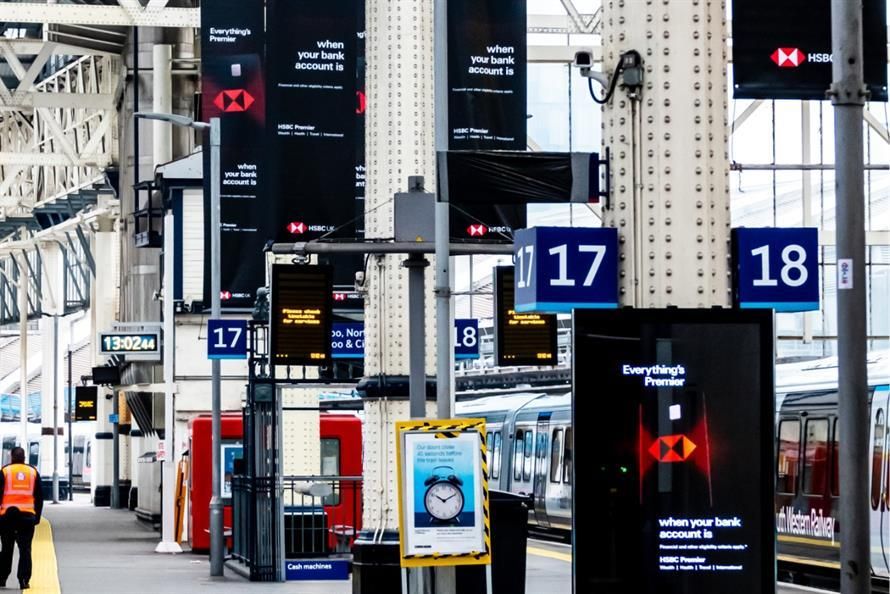
It allows you to go slow, enjoy the surroundings, and notice ads. This gives brands more opportunities to present digital displays, large-format billboards, and branded spaces.
For premium brands, this setting is a positive sign of quality, reliability, and modern living.
Every Stage of the Journey Becomes a Brand Touchpoint:
One of the biggest strengths of high-speed rail advertising is that it follows the passengers throughout their journeys.
For example:
A traveller may first see a billboard at the entrance, and the same campaign can hit them at the platforms.
Once inside the trains, they could see the same campaign on the seat panels, screens, or interiors. This increases the exposure, familiarity, and brand recall.
Why High-Speed Rail Passengers Matter to Brands?
Not everyone chooses high-speed rail. Though they attract a diverse audience, a lot of them are professionals, business owners, government officials, and entrepreneurs.
These people are highly valuable for any brand as they seek quality and convenience.
They often have higher purchasing power and can spend on premium products. Plus, they are often the decision-makers who influence the purchase.
Train Wrap Advertising
Train wrap advertising transforms an entire train, metro, or selected coaches into eye-catching moving billboards, delivering massive brand visibility across multiple cities and routes.
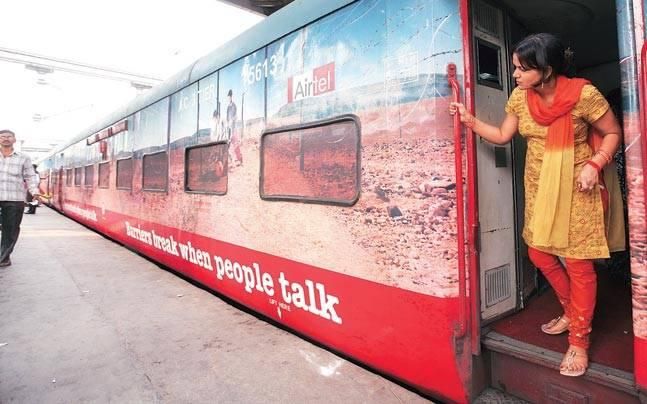
Creative Transit Advertising Formats Brands Should Know:
There are various kinds of modern rail advertising. Instead of just putting a billboard, brands can use the newer and more engaging transit ad formats to enhance visibility and engagement.
Here are some of the top choices:
- Large digital displays inside stations
- Platform and concourse branding
- Full or partial train wraps
- Interior posters and seat-back panels
- Escalator and walkway branding
- Interactive touchscreens
- QR code campaigns that connect travellers to websites, offers, or mobile apps
It's better to use multiple formats instead of just one for a single campaign. This creates an engaging brand experience without disrupting the journey.
Industries That Can Gain the Most from Rail Ads:
Here are the top industries that benefit from high-speed rail advertising because they naturally get to target their premium consumers:
- Luxury automobile brands
- Banking and financial services
- Hotels and hospitality brands
- Airlines and travel companies
- Real estate developers
- Technology and consumer electronics brands
- Premium fashion and luxury retail brands
- Healthcare providers and hospitals
- Educational institutions and universities
- Insurance companies
- Fine dining and premium food brands
- Smart home and home improvement brands
- Business consulting and professional services
- Luxury watch and jewelry brands
- Electric vehicle (EV) manufacturers
- High-end furniture and interior design brands
- Tourism boards and destination marketing organisations
- Telecommunications and internet service providers
- Investment and wealth management firms
- Lifestyle and wellness brands
How Can Vigyapan Mart Elevate Your High-Speed Rail Advertising Campaigns?
High-speed rail advertising works the best when you have the right strategy. Vigyapan Mart is a 360-degree marketing, branding, and OOH advertising agency and helps brands identify premium rail ads, select high-impact placements, and execute campaigns.
Our team designs creative ads that genuinely engage travelers throughout their journey. Results? Better visibility, maximum value, and stronger brand perception.
Conclusion:
High-speed rail advertising is targeted, often associated with luxury, and designed to attract premium travellers.
Most importantly, a brand uses high speed for engagement, visibility, and multiple ad exposures. So, from the entrance to the completion of the train journey, the ads keep working.
This transit advertising produces longer viewing times, repeated exposure, and a sophisticated travel environment. All these create stronger brand awareness and lasting impressions. Since consumer preferences are changing, this can be an evolving method to build meaningful connections.
Ready to launch your outdoor advertising in the Vande Bharat or similar high-speed train? Connect with Vigyapan Mart experts today.
FAQs:
1. How long should a high-speed rail advertising campaign run?
For stronger brand recall, you should at least run a campaign for at least 4-8 weeks. However, this depends on campaign objective and passenger traffic
2. Is high-speed rail advertising suitable for regional businesses?
Yes. Regional businesses can target specific train routes or stations to reach customers within a particular city, state, or travel corridor.
3. Can high-speed rail advertising support product launches?
Absolutely. The high passenger volume and repeated exposure make it an effective medium for creating awareness during product launches and promotional campaigns.
4. What are the most popular high-speed rail advertising formats?
Some of the most popular high-speed rail advertising formats are Digital screens, platform branding, train wraps, seat-back panels, station billboards, escalator branding, and QR code.
5. How can brands measure the success of rail advertising campaigns?
You can track the performance through QR code scans, website traffic, brand recall studies, customer inquiries, and landing pages.
Subscribe to our newsletter
Get updates instantly! Join our community for the latest marketing insights.