
Street Furniture as a Platform for Urban Data Collection
Smart street furniture uses sensors and IoT to collect urban data, helping cities improve planning, safety, and sustainability. This blog explains how modern benches, bins, and lights support smarter living while addressing privacy and future growth trends.
Published July 31, 2025 · Updated April 13, 2026
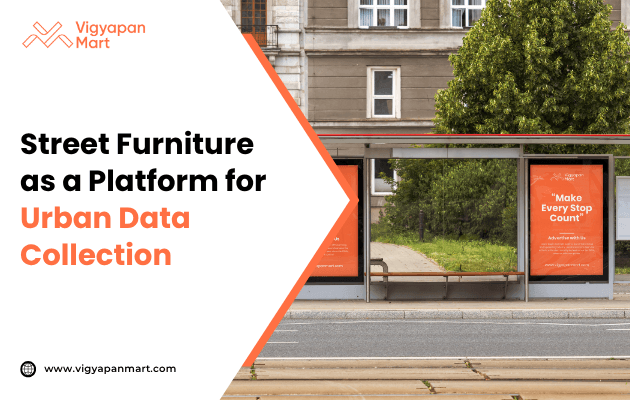
Street furniture is everywhere in our cities. Benches, bus stops, streetlights, rubbish bins, and signs make public spaces comfortable and organized. But there’s something new happening. These objects are being transformed by technology. Modern street furniture is now helping cities collect urban data to make life better for everyone.
What Is Street Furniture?
Street furniture means objects and equipment installed on sidewalks and public spaces for everyone to use or see. Some classic examples are:
- Benches and seats
- Waste bins and recycling stations
- Streetlights and lamps
- Bus stops and shelters
- Sign posts and maps
- Drinking fountains
- Traffic barriers and bollards
- Public art, statues, and sculptures
Most of these items are designed to serve basic needs like resting, finding your way, or staying safe. Together, they shape how we use and experience our streets.
How Street Furniture Collects Urban Data?
Today, street furniture is getting “smart.” Thanks to advances in technology like sensors, the Internet of Things (IoT), and AI, many everyday objects now collect and share valuable data:
- Smart benches can count how many people sit on them, measure temperature, and even offer phone charging or WiFi.
- Waste bins use sensors to alert the city when they are full. This helps optimize collection routes, saving time and money and reducing noise.
- Streetlights automatically adjust their brightness based on nearby movement, saving energy and improving nighttime safety.
- Bus stops and information panels provide real-time updates on city services, public transport arrivals, and even local weather.
These devices collect lots of different data, such as:
- Air quality and pollution levels
- Noise levels
- Pedestrian and vehicle traffic flows
- Temperature and humidity
- Patterns of use, including busy and quiet times
All this data is often sent in real-time to central city computers for analysis.
Why Do Cities Collect Urban Data?
Gathering urban data through smart street furniture helps cities solve real problems. Here’s how:
- Better city planning: By knowing how many people use certain benches, paths, or bins, planners can make smarter decisions about where to build new parks, add more lighting, or improve public transport routes.
- Cleaner, greener cities: Smart bins and monitoring help cities use resources more efficiently. For example, rubbish is only picked up when needed, reducing truck trips and pollution.
- Safer spaces: Sensors on streetlights or in dangerous areas help city officials spot problems faster, like broken lights or overcrowded places.
- Healthier cities: Data on air quality and noise helps authorities activate anti-pollution plans or warn people with allergies, especially when pollen levels are high.
Real-World Examples
Many cities already use smart street furniture:
- Smart benches across Europe provide phone charging and measure environmental data.
- Interactive screens at bus stops and information panels in New York and London show public transport info, weather, and local alerts.
- Solar bins in several cities signal when they’re full, helping waste teams work only where needed.
- Streetlights in smart city projects adjust automatically, depending on how many people are nearby, saving up to 60% in energy costs.
Benefits for Citizens
The combination of technology and street furniture brings several benefits:
- Convenience: People get information and services right where they need them in public spaces.
- Safety: Streets are better lit and cleaner, making public spaces more comfortable and safe for everyone.
- Inclusiveness: Real-time data can help people with disabilities or allergies know when and where is best to travel.
- Engagement: Some smart furniture even includes digital games or creative displays to make city life more fun.
Market Trends and Growth
The urban street furniture market is growing rapidly, expected to reach nearly $15 billion globally by 2034. This growth comes from increasing urbanization and the demand for smarter public space solutions. More cities are investing in intelligent, tech-enhanced furniture to keep up with expanding populations and new challenges.
But What About Data Privacy?
Collecting urban data must be done carefully. Citizens’ privacy is very important. Cities and tech companies need to make sure any data collected is:
- Kept anonymous whenever possible
- Only used to make services better
- Protected against misuse
This balance ensures that smart cities are not only efficient but also respectful of personal rights.
Conclusion
Street furniture is no longer just for resting or finding your way, it’s now a smart tool that helps cities collect important data to improve daily life. By tracking air quality, traffic, and more, smart street furniture advertising creates cleaner, safer, and more efficient urban spaces. As cities grow, this technology becomes vital for the future. If you want to make your city smarter and more connected, Vigyapan Mart offers expert solutions to bring innovation to public spaces. Connect with us to join the smart city movement.
Subscribe to our newsletter
Get updates instantly! Join our community for the latest marketing insights.