
The Impact of Urbanization on Street Furniture Advertising Growth
Urbanization is transforming advertising with rapid growth in street furniture ads. Eye-level visibility, digital innovations, and sustainable practices make this medium a powerful, cost-effective tool for brands targeting urban audiences and engaging communities in modern city spaces.
Published July 22, 2025 · Updated April 13, 2026
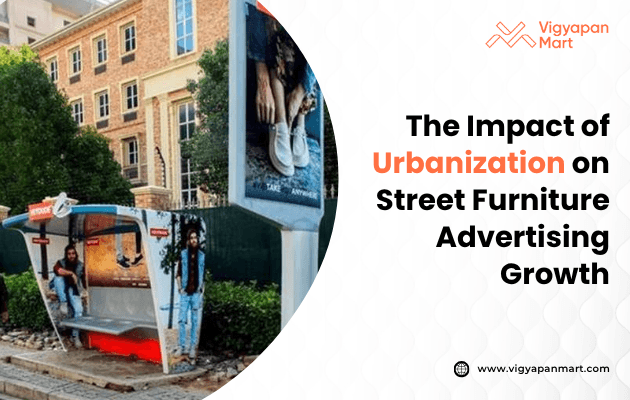
Urbanization is changing our cities and the way companies reach people. One of the biggest changes is the rise of street furniture advertising. This type of advertising uses city items like bus shelters, benches, kiosks, and info panels as places to display ads. As cities grow, these ads become more common and more effective at catching our attention.
What is Street Furniture Advertising?
Street furniture advertising is a form of out-of-home (OOH) advertising. You see it every time you walk past a bus stop with a poster, sit on a bench with an ad on its back, or read an ad on a phone booth. Unlike billboards, street furniture ads are right at eye level—perfect for reaching people who are walking, waiting, or riding public transport.
- Types of street furniture used: Bus shelters, benches, kiosks, public toilets, info panels, newsstands.
- Main locations: Busy sidewalks, shopping areas, transit stations, city centers, and suburban routes.
Why Urbanization Fuels Street Furniture Advertising?
Urbanization means more people are living and working in cities. As city populations rise, more people are out and about every day. This leads to:
- More foot traffic: More eyes see each ad.
- Longer commutes: People spend more time at bus stops and train stations, noticing nearby ads.
- Smaller living spaces: People socialize outdoors more, increasing exposure to ads placed in public spaces.
Growth Facts
- The global urban street furniture market is set to grow from $10.21 billion in 2024 to about $14.68 billion by 2034.
- The street furniture advertising market is also expected to see strong growth, driven mainly by urbanization and digital innovation.
The Power and Appeal of Street Furniture Advertising
Street furniture advertising is popular for several reasons:
- High Visibility: Ads are placed where people are moving, waiting, or relaxing, making them hard to miss.
- Cost-Effective: It is cheaper than TV or radio ads, but still reaches thousands every day.
- Great for Local Businesses: Small businesses use street furniture ads to connect with people in their neighborhood.
- Creates Immediate Action: Research shows that 43% of people who notice an ad on street furniture actually go to a store to buy something. 24% did this right after seeing the ad, and 76% did it later on.
How Technology is Changing Street Furniture Advertising?
The rise of digital technology is reshaping the world of street furniture ads.
- Digital Screens: Traditional posters are being replaced with smart screens that can show moving images and videos.
- Interactive Kiosks: Some bus stops or platforms let people interact with the ads through touch screens or their phones.
- Data & Targeting: Companies can now use data to show different ads at different times or to specific groups.
- Location-Based Ads: Using technologies like QR codes and GPS, advertisers can reach people with messages that are relevant to where they are.
Augmented reality (AR) is another trend making ads more fun and memorable, like when an ad comes alive on your smartphone screen.
Challenges Facing the Industry
As street furniture advertising grows, it also faces some challenges:
- Digital Competition: Online and social media ads compete for attention and business budgets.
- Regulation: Some cities limit where and how ads can be shown to prevent clutter or protect city views.
- Visual Pollution: Too many ads can make public spaces look crowded, leading to pushback from the public.
A Focus on Sustainability
Modern cities are paying more attention to sustainability. Advertising companies are starting to:
- Use eco-friendly materials for benches and shelters.
- Choose energy-efficient digital screens.
- Work closely with city planners to make sure ads fit the look and feel of the neighborhood.
Conclusion
As cities keep growing, street furniture advertising is becoming a bigger part of daily urban life. Its ability to reach people in the right place, at the right time, makes it powerful for brands and local businesses alike. Thanks to digital technology, ads are becoming smarter and more interactive. But with growth comes greater responsibility to keep city spaces attractive and uncluttered, and to balance the needs of businesses and the public. Urbanization will keep fueling this trend, making street furniture advertising a key tool in reaching urban populations. The street furniture advertising industry is rapidly changing and your brand must adopt the trends for being the leader in the coming age. We understand it can be overwhelming to meet with a lot of new trends at once. In such a scenario, Vigyapan Mart experts are here to figure everything out for your brand. Book a free consultation session with our advertising experts today and lead your brand to the future of advertising.
Subscribe to our newsletter
Get updates instantly! Join our community for the latest marketing insights.