
Why Are Contextual and Time-Based Messages Making Billboards More Relevant?
Billboards no longer have to show one message all day. With digital screens and smart planning, brands can change ads by time, weather, location, festivals and traffic, so the message fits the moment. This blog explains how contextual and time-based billboard advertising works, five practical ways to use it, and how to choose between static and digital OOH for your campaign.
Published November 11, 2026
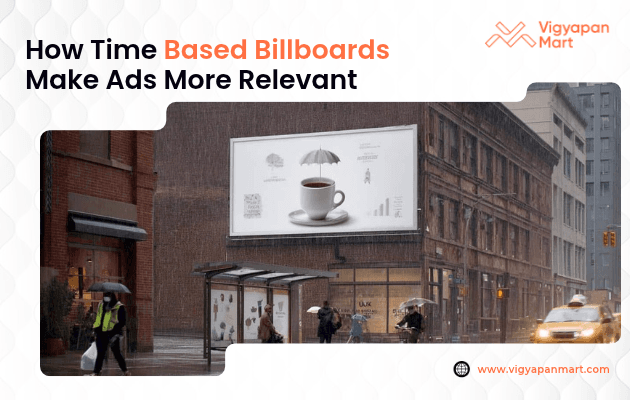
With modern technology, billboards no longer need to display the same message all day. They can show a coffee message in the morning, a food delivery campaign to target the evening traffic, and a raincoat advertisement in the rainy season.
Note that changing the billboard advertisements is not just about multiple ads. It's more about contextual and time-based OOH advertising.
Instead of displaying one fixed messaging, brands can now adjust their ads, choose a specific time for the display, or curate multiple ads based on the audience, location, time, weather, traffic, and current events.
This shift in the outdoor advertising approach is making traditional billboards more useful and digital billboards more powerful. New and contextual ways to connect with people.
Billboard advertising is a form of outdoor advertising that displays brand messages, images, offers or promotional content on large-format advertising boards.
What Is Contextual and Time-Based Billboard Advertising?
Quick Answer: Contextual billboard advertising refers to OOH ads that match the surrounding situations, including weather, time, culture, festivals, lifestyle, etc. Noticeably, contextual messaging can change according to weather conditions, local events, traffic patterns, festivals, or audience behaviour.
This is why they offer unique opportunities to brands, helping them make their ads more effective to the audiences who would see them.
Advertisers can schedule different ads for different hours, days, weather, or specific occasions.
For example:
- Morning: A food brand promotes its breakfast range.
- Afternoon: A food delivery platform highlights lunch offers.
- Evening: A retail brand promotes after-work shopping.
- Monsoon: An umbrella or rainwear brand displays weather-related messages.
- Festivals: Brands promoting seasonal products and special offers.
The idea is simple: show the right message at the right place and time.
Key takeaways:
- Contextual billboards match the message to time, weather, location, festivals or traffic.
- Digital billboards can change creatives by schedule or live data; static billboards use seasonal and local context.
- Best for: brand and marketing managers planning OOH campaigns in Indian cities.
Why Are Brands Moving Towards More Relevant Billboard Messages?
People encounter hundreds of advertisements every day and may not remember generic ads at all. But an ad creative that hits their immediate situation has a better chance of holding their attention.
This is where contextual advertising makes a difference.
There are three major reasons behind this shift.
1. Better audience relevance:
The ads become more meaningful by showing ads that reflect people's needs, interests, and surroundings.
2. Better timing:
Brands can reach potential customers during specific hours for more relevance.
3. Stronger campaign flexibility:
Advertisers can change their messages accordingly without rebuilding the entire campaign.
DOOH Advertising:
Digital Out-of-Home (DOOH) advertising uses digital screens in public spaces to display brand messages, images, videos and promotional content.
How Digital Billboards Make Contextual Advertising Possible?
Traditional billboards generally display one printed advertisement throughout the campaign. Changing the messages requires complete printing, installation, and replacement of the ad creative.
Digital billboards offer more flexibility. These are digital displays that can show multiple ads at different times. Means advertisers can schedule creatives, update messages, and respond to changing conditions.
For example:
A shopping mall billboard could display:
- Morning: Breakfast and coffee offers.
- Afternoon: Shopping discounts and food promotions.
- Evening: Entertainment, dining, and weekend offers.
Furthermore, some digital OOH billboards also use live data to trigger advertisements. These billboards can automatically respond to weather updates, traffic information, temperature changes, and other relevant signals.
This makes billboard advertising more dynamic and relevant to the viewer’s instant conditions.
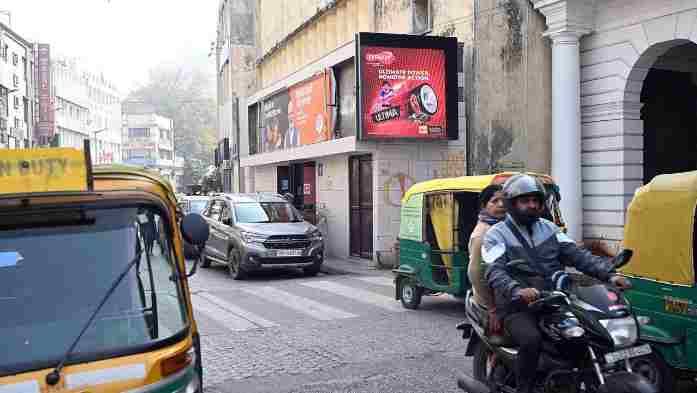
However, contextual advertising is not just limited to digital screens. Advertisers also use traditional billboard campaigns around seasonal demand, local festivals, regional events, and traffic patterns to connect with local people.
The difference?
Digital OOH ads allow faster changes, whereas traditional OOH ads allow more creativity.
5 Ways Brands Can Use Contextual and Time-Based Billboard Advertising:
Here are five practical ways businesses can make their outdoor advertising more relevant.
1. Weather-Based Advertising
Change your ads based on the weather report for specific days or weeks. When relevant, it can greatly influence your purchasing decisions. A sunscreen advertisement on a sunny day, while an umbrella ad during monsoon.
2. Time-Sensitive Advertising
Brands can use specific times for their ads. For example, restaurants can promote breakfast during the morning, lunch offers around noon, and dinner deals in the evening.
3. Location-Based Messaging
Curate your ads for the right relevant locations. For example: A billboard near an airport can promote hotels, travel services, and airport transfers. On the other hand, a billboard near residential areas can advertise grocery stores, healthcare services, or local businesses.
4. Festival and Event-Based Campaigns
Brands can curate their ad messages, offers, and deals around different festivals, sporting events, concerts, and local celebrations. For example:
- Festive shopping
- Long weekend travelling
- Discounts around sporting events.
5. Traffic and Commuter-Based Messaging
Advertisers can plan different messages around peak and non-peak traffic hours. Plus, the different hourly campaigns can target different areas, audiences, or movement patterns. This helps brands make better use of advertising slots and locations.
What Does This Mean for Traditional Billboard Advertising?
It's true that DOOH is rising, but traditional billboards are not becoming irrelevant. Both formats now play to different strengths.
- Static billboards offer continuous visibility, strong brand presence, and long-term exposure.
- Digital billboards offer flexibility, multiple creative options, and time-sensitive communication.
Notably, static billboards are good for large-scale awareness campaigns, product launches, and location-specific promotions. On the other hand, Digital billboards offer flexibility, multiple creative options, and time-sensitive communication.
Digital OOH billboards change the ads faster, without you needing to develop and print the ads. But with traditional OOH ads, brands can experiment with concepts, structures, and ideas, and make the ideas more alive, real, raw, and engaging.
The smarter approach is not to choose one format over the other. Brands should select the format that best supports their campaign objectives.
Creative OOH Advertising:
Creative OOH advertising uses innovative concepts, visuals, formats or installations to communicate brand messages through outdoor advertising spaces.
How Can Businesses Plan a More Relevant Billboard Campaign?
A successful contextual billboard campaign needs more than an attractive design. Understanding the audience and context is far more important. Here are a few essential considerations.
- Understand the audience: Identify who travels through the advertising location and what they might need.
- Choose the right location: Assess foot traffic, nearby businesses, residential areas, and commercial activity.
- Select suitable timings: Schedule messages around relevant consumer routines and purchasing hours.
- Keep messages simple: Use short headlines, clear visuals, and easy-to-understand offers.
- Measure campaign performance: Track impressions, estimated reach, footfall, and engagement.
How Can Vigyapan Mart Help With Contextual Billboard Advertising?
Vigyapan Mart helps brands plan relevant outdoor campaigns through strategic location selection, creative development and media planning. Our team also supports digital and static OOH campaign execution based on brand goals and target audiences.
Conclusion:
The Future of Billboard Advertising Is More Contextual
Billboard advertising is now moving beyond traditional print. DOOH advertising is rising with tech, audience insights, and real-time information, etc. Brands now have more control over when, where, and how the ads communicate.
Contextual and time-based messages make outdoor advertising more responsive to everyday life.
Relevance becomes the key metric for OOH ads, making them more memorable.
For brands, the opportunities exist in combining creative ideas with the right locations, timings, and advertising formats.
Frequently Asked Questions
Subscribe to our newsletter
Get updates instantly! Join our community for the latest marketing insights.