
Street Furniture Advertising: 10 Benefits for Brands in 2026
Street furniture advertising in 2026 helps brands break digital fatigue with hyper local visibility smart technology and cost effective exposure. From bus shelters to benches these formats boost recall footfall and engagement across Indian urban and tier two markets.
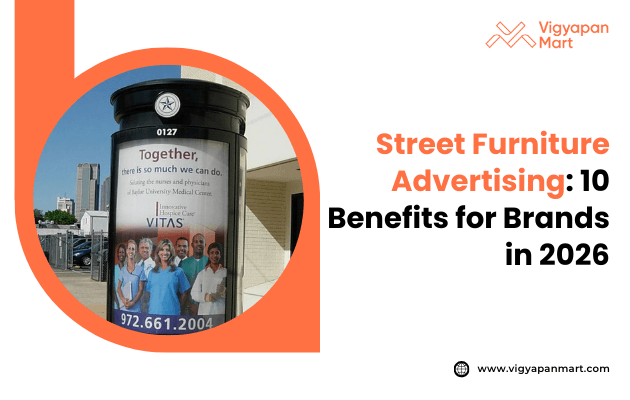
As we are progressive with more urban growth, people have less time. In India, where corporations make a big chunk of India’s employment sector, most people here always rush to work. And it has become a common habit to use phones all the time. Results? People are fed up with all the digital ads popping up on the internet. They see an ad and most of the time, press the skip button.Digital advertising feels old and boring. So what’s the solution for brands now? A simple, affordable and yet powerful way to promote your brand is using Street furniture advertising. In such a digitalised era, street furniture advertising is like fresh energy.
These are ads on everyday spots, such as bus shelters, public benches, phone kiosks, traffic islands, and litter bins. People see them naturally while waiting for buses, auto-rickshaws, or just sitting. No need for apps or Wi-Fi. With India's 5G rollout speeding up and smart cities like those in Uttar Pradesh taking shape, this out-of-home (OOH) way gives brands direct, unmissable reach. It blends simple visibility with smart tech like QR codes and touch screens. These ads work in the real world. For brands in finance, auto, or food, it's a game-changer. Let's dive into 10 key benefits that make it perfect for 2026.
1. Unmatched Hyper-Local Targeting
Street furniture advertising lets brands shine in a target location with the exact pincodes they want to target. But that does not mean they are limited to only one place at a time. Many travellers, pedestrians and shoppers cross high-traffic areas such as bus shelters, malls, parks, etc. With more people relocating to Tier-2 cities for jobs alongside a calm lifestyle, street furniture advertising can utilise the hyper-local advertising tactics to win the local area. For example, a finance app can install street furniture advertisements in high-traffic office regions in Tier-2 cities, pulling sign-ups from office-goers right there.
2. High Visibility and Dwell Time
Most commuters wait 2-5 minutes at bus stops or benches, staring right at your ad. . That’s a higher dwell time than digital ads and several other OOH ads as well. Why? Because street furniture advertising stays eye-level, letting the message stick in the eyes of the viewer. More repeat views build strong recall, unlike 3-second Reels. For example, Mumbai's BMC bus shelters show how traffic jams turn waits into ad wins. In hot Indian summers, these shelters become a soft spot for people, further boosting the dwell time and impact for branding.
3. Cost-Effective Compared to Digital
Unlike what most people assume, street furniture advertising is very affordable and may cost far less per thousand views than Facebook or Google. Why? Because algorithm changes and fees keep climbing high. Furthermore, long-term contracts make it even cheaper. Also, brands don't need to bid daily. One-time hire and continuous steady exposure. This is great for small businesses or startups that want to spend smartly and make a good impression. For example, Delhi's kiosk networks help kirana stores compete with big chains without burning cash.
4. Gamified, Interactive Experiences
Street furniture advertising can be made fun and gamified with smart technology integration, such as QR codes, NFC taps, or AR filters on kiosks. 5G tech can make it highly engaging for viewers, where they can just scan for a game, coupon, virtual try-on, video, or webpage. For example, Zomato has nailed it with bench ads, offering free biryani spins. It's fun marketing that turns passive viewers into active fans, perfect for youth-heavy urban India.
5. Sustainability Appeal
Several shelters have now started using solar panels, recycled plastic benches, and LED lights. These are promoting India’s Swachh Bharat and green norms, and the young generation love a brand that thinks about such initiatives. Brands can utilize this trend to attract eco-conscious viewers. Pushing EVs, plastic bans, and sustainable ads builds a special loyalty among new buyers. They support such brands for building a sustainable future.
6. 24/7 Exposure Without Ad Blockers
One of the most attractive factors of street furniture advertising is 24/7 exposure run round-the-clock. They are visible all the time, rain or shine, power cut or not. No ad blockers, VPNs, or low-data excuses hide them. Furthermore, brands can paint them with night glow paints or use proper lighting to maintain visibility at night as well. In areas like Lucknow, such physical ads outlast digital screens, giving brands a steady messaging.
7. Boosted Brand Recall and Foot Traffic
Installing street furniture advertisements near your store can boost impulse buying. Imagine a cafe using bench ads with "2 minutes away" maps. This can easily spike the walk-ins because of the minimal distance. Results? More traffic and a spike in sales. Such ads are highly useful for brands that operate stores near highways. For example, an automotive rental store near highways can pull drivers for quick bookings.
8. Data-Driven Insights via Smart Tech
Utilise built-in sensors to count footfall, QR scans, and even weather effects. 2026 OOH advertising will be of the smart technology era, providing exact execution and consumer data. This is pure gold in advertising. Results? Better designs, better strategies, better results. Note- make sure you follow all the ethical privacy laws.
9. Cultural and Contextual Relevance
Culture and context matter greatly in this time. Brands should move on from the old generic ads and tailor their next advertising campaign to local vibes. For example - use Holi colours on kiosks, IPL scores on benches, or regional food tie-ins. Furthermore, using the Hindi-English mix speaks to diverse crowds. Indulge in local celebrations and build emotional bonds that digital ads can’t match.
10. Future-Proof ROI in a Phygital World
The future belongs to the tech world. So now, in the case of street furniture advertising, brands must bridge the gap between physical and digital with trackable codes such as scan ad, buy online. As India’s phygital shopping booms, you can now measure the full funnel, from views to sales. Also, influencer reels promote these OOH hits, amplifying reach. What’s next? AR glasses and beyond.
Conclusion
Street Furniture Advertising Rules 2026 India. With urban crowds swelling and tech making OOH smarter, street furniture ads are cutting digital clutter and building real connections. Industries like Finance firms, auto brands and food chains can build trust, spark desire, and drive hunger. All from city corners. In this blog, we have discussed the top 10 benefits of street furniture advertising, but there are challenges as well. Now, the question is how to solve those problems? Simple- partner with a seasoned street furniture advertising agency like Vigyapan Mart, plan your street campaign, and let the advertisers cook success for you.
Subscribe to our newsletter
Get updates instantly! Join our community for the latest marketing insights.