
Addressing Visual Pollution: Designing for Urban Acceptance
Visual pollution affects urban life by creating stress, lowering property values, and hiding city identity. Through smart design, regulations, and planning, cities can reduce clutter, improve aesthetics, and foster healthier, more engaging environments for communities.
Published April 13, 2026
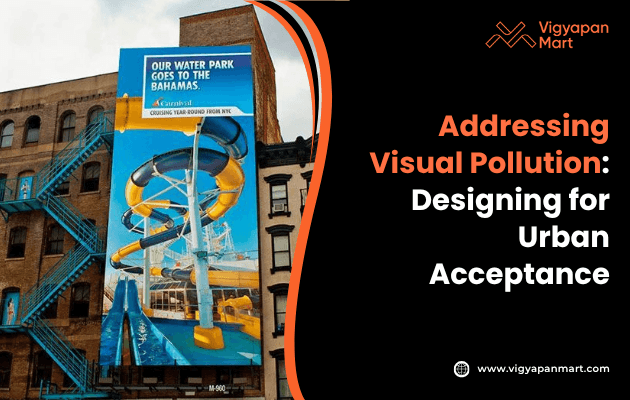
What is Visual Pollution?
When you walk through a city and see graffiti on walls, billboards cluttering the skyline, and wires crossing overhead in every direction, you’re witnessing visual pollution. This is when unwanted or messy sights in urban areas make places feel chaotic, unattractive, or even stressful. Unlike smog or dirty water, visual pollution isn’t always measured—but it changes how we feel about our surroundings and can harm our well-being.
What Causes Visual Pollution in Cities?
Cities are full of life and movement. But as cities grow, so do the things that create visual clutter, such as:
- Graffiti and faded signs: These are signs of neglect, showing areas where maintenance is missing.
- Potholes and broken roads: Not only are they dangerous, but they also look messy and uncared for.
- Unkempt facades, excessive billboards, and ads: When buildings aren’t maintained and too many ads are displayed, the beauty of the city’s architecture gets lost.
- Overflowing trash and construction debris: Garbage on sidewalks and building leftovers make streets look dirty.
- Poorly planned urban layouts: Buildings bunched together without design or logic can make cities feel overwhelming and hard to enjoy.
- Overhead wires and street furniture clutter: Too many elements in the same view disrupt the sense of space and order.
A key fact: Rapid urban growth without proper planning has led to a visible rise in visual pollution around the world.
Why Does Visual Pollution Matter?
You might think visual pollution is “just ugly signs.” But its impact runs deeper:
- Health and well-being: Studies show that visual pollution can increase stress, anxiety, and even lower people’s satisfaction with their neighborhoods.
- Reducing property values: Homes or stores in messy-looking areas may be worth less.
- Road safety risks: Too many billboards or bright lights can distract drivers and cause accidents.
- Loss of city identity: Unique landmarks and cultural sites get hidden among chaotic visuals, so cities lose their special character.
- Greater impact on vulnerable groups: Lower-income families, kids, and the elderly often live in areas with more visual clutter, which can add to their challenges.
Fact check: Visual pollution doesn’t just bother people; it can also disturb animals and hurt the wider ecosystem by disrupting natural habitats.
How Do We Measure Visual Pollution?
Because visual pollution is subjective, it’s tricky to measure. But new tools and indexes are being developed to help city planners:
- Visual Pollution Index (VPI): This uses aerial images and on-the-ground surveys to pinpoint where the worst visual clutter is, helping planners make better decisions.
- Public surveys and spatial mapping: Asking people how they feel about their neighborhoods, combined with mapping, helps measure the true impact.
Cities are starting to use these tools, though not all government agencies are equipped to track visual pollution or enforce fixes.
Designing for Urban Acceptance: Solutions to Visual Pollution
To make cities more livable and beautiful for everyone, designers and planners must focus on reducing visual clutter. Here are proven strategies:
- Green spaces and urban landscaping: Parks, trees, and plant walls break up the clutter and give eyes a restful place to focus.
- Clear zoning laws and design codes: Regulations can control the type, size, and placement of billboards and signs. Some cities ban large outdoor ads in certain areas.
- Façade improvement programs: Grants or incentives for businesses to fix up their buildings improve street views and community pride.
- Underground utility lines: Burying wires instead of crossing them overhead tidies up city views.
- Consistent street furniture and lighting: Using unified styles for benches, lamps, and trash bins reduces visual noise and brings harmony to public spaces.
- Smart city planning: Organizing new buildings, roads, and public areas with aesthetics in mind will prevent random clutter from the start.
Cities like Singapore and parts of Europe are leading the way in regulations and urban planning that tackle visual pollution. They’ve found that when people feel their cities are clean and well-designed, they’re healthier, happier, and more engaged with their communities.
Conclusion
Visual pollution isn’t just about what we see, it affects how we feel, how we connect with our cities, and even our health. With smart design, thoughtful regulation, and new technologies to measure and manage clutter, cities can become places everyone is proud to call home. By addressing visual pollution, we build urban spaces that aren’t just functional, but truly welcoming for all. Want to explore more about visual pollution and how it impacts your brand image? Connect with Vigyapan Mart branding experts to get a detailed understanding of business branding and what not to do with it in the modern era. Connect with us today and book a consultation with Vigyapan Mart experts today.
Subscribe to our newsletter
Get updates instantly! Join our community for the latest marketing insights.