
AI-Driven Automation in Retail Advertising: Revolutionizing the Industry
AI-driven automation is transforming retail advertising by enabling personalized campaigns, predictive analytics, and real-time budget optimization. Industry leaders like Amazon and Walmart are leveraging AI to boost efficiency, customer satisfaction, and ROI in a competitive market.
Published July 11, 2024 · Updated April 13, 2026
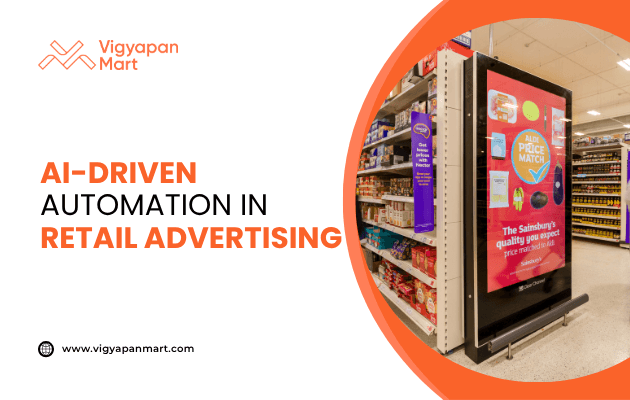
Artificial Intelligence (AI) is reshaping retail advertising, offering businesses unprecedented opportunities to connect with customers, optimize operations, and boost revenue. From hyper-personalized ads to predictive analytics, AI-driven automation transforms how retailers engage with their audience. In this blog, we’ll explore the role of AI in retail advertising, its applications, benefits, and future potential.
What is AI-driven automation in Retail Advertising?
AI-driven automation refers to the use of artificial intelligence technologies to streamline and enhance advertising processes. It includes machine learning, deep learning, and generative AI to analyze data, predict trends, and create personalized marketing strategies.
Key Components
- Machine Learning: Predicts customer behaviour based on historical data.
- Deep Learning: Analyzes complex patterns like customer sentiment from reviews.
- Generative AI: Creates tailored content such as ad copy and product images.
Applications of AI in Retail Advertising
AI-driven automation has broad applications that are revolutionizing retail advertising strategies:
1. Hyper-Personalized Advertising
AI enables retailers to deliver highly targeted ads by analyzing customer data such as browsing history, purchase behavior, and preferences. For instance:
- Amazon uses AI for personalized product recommendations based on past purchases and search history.
- Ads can be tailored to individual needs—for example, targeting a customer searching for hiking gear with promotions for tents or boots.
2. Programmatic Advertising
AI automates ad placement by identifying the best channels and audiences based on real-time data. This ensures precision targeting and maximizes ROI.
3. Ad Budget Optimization
AI analyzes past campaign performance across demographics and platforms to allocate budgets effectively. Retailers can focus on high-performing channels while minimizing wasteful spending.
4. Enhanced Customer Experience
AI-powered tools like chatbots and virtual assistants provide instant support, while personalized shopping experiences boost satisfaction. For example:
- Walmart uses interactive displays in stores to showcase products based on customer preferences.
- Facial recognition systems enable seamless checkout processes.
5. Predictive Analytics
AI forecasts demand trends by analyzing sales data and market insights. This helps retailers optimize inventory and plan marketing campaigns strategically.
Benefits of AI in Retail Advertising
The integration of AI into retail advertising offers numerous advantages:
| Benefit | Description |
|---|---|
| Improved Targeting | AI analyzes vast datasets for precise audience segmentation and ad personalization. |
| Cost Efficiency | Automated budget allocation reduces unnecessary spending on ineffective channels. |
| Higher Conversion Rates | Personalized ads lead to better engagement and increased sales. |
| Real-Time Optimization | AI adjusts campaigns dynamically based on performance metrics. |
| Enhanced Customer Loyalty | Tailored experiences foster deeper connections with customers. |
How Industry Leaders Are Using AI?
Major players in retail are leveraging AI-driven automation to stay ahead:
1. Amazon
Amazon uses recommendation engines powered by AI to personalize shopping experiences, improving customer satisfaction and boosting sales.
2. Walmart
Walmart integrates AI into in-store media networks with interactive displays and geolocation targeting for personalized promotions.
3. Microsoft
Microsoft employs generative AI for scalable marketing content creation, enabling faster campaign launches with tailored messaging.
Challenges in Implementing AI Automation
Despite its benefits, adopting AI-driven automation comes with challenges:
- High initial investment costs.
- Data privacy concerns due to extensive customer profiling.
- Need for skilled personnel to manage complex AI systems.
Retailers must address these issues by ensuring transparency, investing in employee training, and complying with data protection regulations.
Future Trends in AI Retail Advertising
The future of retail advertising will be shaped by advancements in AI technologies:
- Voice Search Integration: AI-powered voice assistants like Alexa will play a bigger role in shopping journeys.
- Generative Content Creation: Tools like ChatGPT will produce dynamic ad copy tailored to individual preferences.
- Augmented Reality (AR): AR with AI will offer immersive shopping experiences through virtual try-ons or product previews.
A report predicts that the adoption of AI in retail will exceed $127 billion by 2033, growing at a CAGR of 28% from 2023 to 2033.
Conclusion
AI-driven automation is revolutionizing retail advertising by enabling hyper-personalization, optimizing budgets, enhancing customer experiences, and driving sales growth. While challenges exist, the benefits outweigh them for businesses willing to embrace innovation. As technology evolves, retailers that leverage AI effectively will remain competitive in an increasingly digital world. Retailers must act now to harness the power of AI—not just as a tool but as a strategic partner in shaping their future success.
Looking for a trusted and experienced retail advertising agency? Connect with Vigyapan Mart today.
Subscribe to our newsletter
Get updates instantly! Join our community for the latest marketing insights.