
Brand Architecture: When to Create Sub-Brands
Sub brands play a crucial role in brand architecture by targeting diverse audiences, entering new categories, and reducing risks. They enhance innovation and protect the parent brand’s identity. This blog explores when and why businesses should create sub brands.
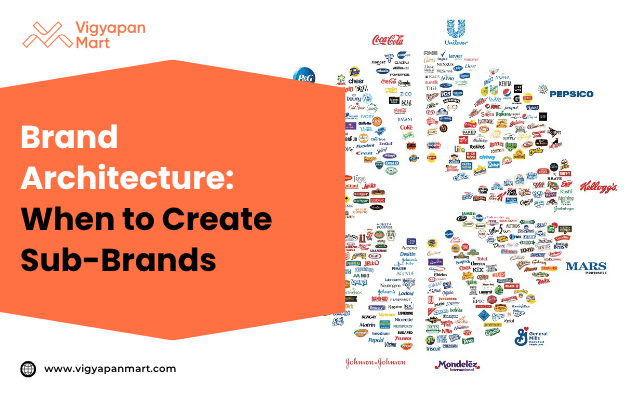
Sub-branding is a powerful tool to leverage in the brand architecture, if used wisely. Not every product requires a brand new identity. However, with changing consumer behaviors and brand expectations. The use of sub-brands has increased, as it has become a way to stay competitive and agile. In this blog, we will discuss when you should create a sub-brand.
1. Understand What Sub-Brands Are
A sub-brand is like a subsidiary company in structure, a secondary brand under the umbrella of a parent brand. A sub-brand has its own identity but is still linked to its parent brand. Take Nestle, for example, it has KitKat, Maggi, and Nescafé – all strong sub-brands. This is how sub-brands deliver to people's needs by being under one trusted name. The concept of sub-brand allows the parent companies to diversify their operations without even fragmenting their core identity.
2. Consider Sub-Brands When Targeting Distinct Audiences
If your brand is serving multiple distinctive groups of audiences, the best option to cater to all is to have sub-brands. This helps in customizing communication and offerings. For instance, Toyota created Lexus to cater to the luxury vehicle market. This helps the brands to speak to their respective audiences directly without facing the problem of dilution. A focused brand voice ensures relevance and impact.
3. Launch Sub-Brands To Enter New Categories
If you want to enter a whole new product category that doesn’t align with your brand’s core identity. Then the best option for you is to opt for sub-branding. For example, Coca-Cola launched Minute Maid in order to enter the juice market. It lets companies explore unfamiliar territory while retaining consumer trust. This method minimizes the confusion between unconnected products.
4. Use Sub-Brands To Minimize Risk
If you are looking forward to launching a new product, a risky innovation, creating a sub-brand is the best option, which will act as a buffer. In this way, if the new innovation fails, it won’t even slightly damage your core company’s image. Sub-branding essentially acts as a risk management tool. It creates a space for experimentation and learning.
5. Create Sub-Brand To Highlight Innovation
When you want to innovate a new product, sub-branding can provide you with ample space for it. This is how Apple did with its products such as iPad, iPhone, and iMac. THEY all carry a shared identity but distinct product branding. Sub-branding sets a clear tone that something new and exciting is being introduced. The innovation-led sub-brands often quickly build their own equity.
6. Use Sub-Brands And Address Brand Image Issues
If your brand has a restrictive image, launching a new sub-brand with a fresh look and message can help in positioning the business. For instance: Fair & Lovely rebranded itself to Glow & Lovely in order to get away from the negative narratives. Sub-brands can act as a progressive face of change. It also helps in tapping the socially aware audiences.
7. Don’t Create A Sub- Brand Without A Strategy
You need to put separate marketing strategies and efforts into your sub-brand. It can confuse your audience if not managed strategically. Create only one sub-brand if there is a clear, differentiated purpose and long-term value. Creating a sub-brand without any aim will only drain your potential resources. Having strategic clarity ensures focused growth.
8. Regularly Evaluate Sub-Brand Performance
Once you have launched your sub-brand, track each of your sub-brands’ performance regularly. Assess brand equity, market perception, and ROI in order to ensure they contribute positively to the parent brand's reputation. Consistent analysis keeps your brand up-to-date and reduces the chances of becoming outdated. Don’t hesitate to sunset underperforming sub-brands to streamline growth.
Conclusion
Sub-brands are a strategic tool that helps your business grow without affecting its parent company’s growth, diversity, business branding and connection with the audiences. By aligning sub-branding efforts with business goals and customer needs. Brands can create new products without losing the strength of the parent identity. But to work out everything smoothly, you need experts & professionals on your side to make your every move calculated, data-enriched, and successful and Vigyapan Mart brand building team provides you exactly that. To know more, book a free consultation session with us now.
Subscribe to our newsletter
Get updates instantly! Join our community for the latest marketing insights.