
Building Brand Trust in Close-Knit Rural Communities
Building brand trust in rural communities requires cultural understanding, local engagement, and genuine care. Through influencers, events, CSR, and simple communication, brands can strengthen ties, build credibility, and foster loyalty in close-knit villages for long-term success.
Published May 10, 2025 · Updated April 13, 2026
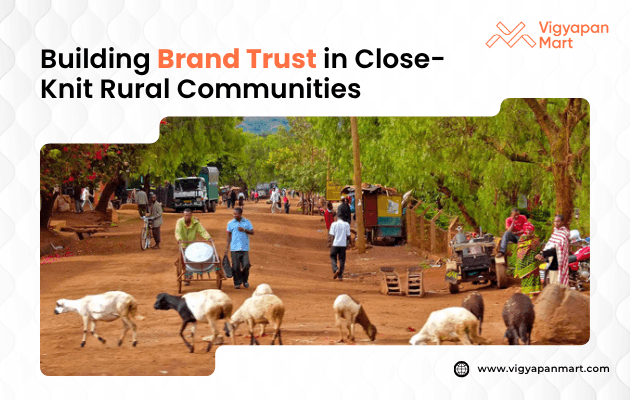
In close-knit rural communities, building brand trust is very important but also requires a special approach. People in these areas usually know each other well. They rely on word of mouth and personal relationships more than in cities. So, businesses need to be careful and thoughtful when connecting with rural customers. Below, we explore how brands can create trust in these communities using simple steps and important ideas.
Understanding Rural Communities
Rural communities are different from big cities. People here often have strong bonds with their neighbors and local traditions. News travels fast, and a good or bad opinion about a brand spreads quickly. This makes trust a key factor for any brand wanting to succeed. According to experts, the best way to build trust is by engaging directly with the people and showing that your brand cares for them.
1. Get to Know Your Audience
To build trust, you must first understand who you are talking to. Every rural community has its own culture, preferences, and values. Brands should research what the people want and need. This way, the brand message can be clear and relevant. Listening carefully to customers and adapting offers to suit local tastes makes a brand look honest and trustworthy.
2. Use Local Media and Events
Many rural residents trust local newspapers and radio. Advertising in these outlets helps reach people effectively. But beyond advertisements, showing up in community events like fairs, religious festivals, or markets is even better. When a brand participates in local activities, it shows it values the community and wants to be part of it. This builds goodwill and familiarity.
Hosting or sponsoring local events creates opportunities to connect personally with customers. It makes the brand visible and credible. People feel more comfortable buying from brands they see supporting their community.
3. Partner with Local Influencers and Retailers
Influential people in rural areas such as respected elders, community leaders, or local celebrities play a big role in shaping opinions. Brands should engage with these influencers by giving them product samples or involving them in promotions. Positive word of mouth from trusted locals carries great weight.
Working together with local stores and distributors is also crucial. These partners know the community well and help make products readily available. A strong distribution network through familiar faces increases trust and convenience for customers.
4. Show Genuine Community Involvement
Communities want brands that care about them, not just want to sell products. Good brands take part in local causes or social programs that benefit the village or area. This is called Corporate Social Responsibility (CSR). Examples include sponsoring a school, improving water supply, or supporting local health initiatives.
Such actions show the brand’s commitment beyond profit. When people see a brand investing in their well-being, they develop a positive view and trust the brand more.
5. Build a Clear and Honest Brand Story
A strong brand story helps people relate to the brand on a personal level. Brands should explain who they are, where they come from, and why they care about rural customers. Sharing this story honestly creates emotional connections. It makes the brand feel like a friend rather than just a business.
The brand identity should also be consistent and visible. Using the same logo, colors, and message everywhere from online to in-person events helps people recognize and remember the brand. This consistency builds confidence over time.
6. Leverage Word of Mouth and Customer Testimonials
Word of mouth is one of the most powerful tools in rural marketing. People trust recommendations from friends, family, and neighbors more than advertisements. Brands should encourage satisfied customers to share their experiences through testimonials or reviews. This creates social proof and reassures potential buyers about the quality and reliability of the product.
7. Use Simple and Clear Communication
Communication should be easy to understand. Using short sentences and simple words helps everyone, including those with less formal education, connect with the brand. Local languages or dialects, when possible, also make communication more effective and respectful of the community.
Summary of Key Steps to Build Brand Trust in Rural Communities
| Step | What to Do | Why It Matters |
|---|---|---|
| Know Your Audience | Research community values and preferences | Shows brand relevance and respect |
| Use Local Media and Events | Advertise in local newspapers/radio; join events | Builds visibility and familiarity |
| Partner with Local Influencers | Engage respected locals and retailers | Leverages trusted voices and expands reach |
| Show Community Involvement | Support social causes and community projects | Demonstrates care beyond sales |
| Build a Clear Brand Story | Share honest origin and purpose | Creates emotional connections |
| Encourage Word of Mouth | Collect and share customer testimonials | Builds social proof and credibility |
| Communicate Simply | Use clear, local language | Ensures message is understood by all |
Conclusion
Building trust in close-knit rural communities takes time and real effort. Brands must be honest, visible, and actively involved in the community’s life. By understanding their audience, engaging locally, partnering with trusted members, and showing genuine care, brands can grow strong and lasting relationships in these areas. Doing so not only helps business grow but also contributes to the welfare of the community itself. Want to explore ways to win trust with rural marketing? Connect with Vigyapan Mart experts.
Subscribe to our newsletter
Get updates instantly! Join our community for the latest marketing insights.