
Community Boards and Kiosks: Connecting Communities in the Digital Age
Community boards and kiosks are powerful tools for local event promotion and community building. They combine visibility, affordability, and engagement to connect neighborhoods, making them effective in today’s digital yet socially connected world.
Published August 9, 2025 · Updated April 13, 2026
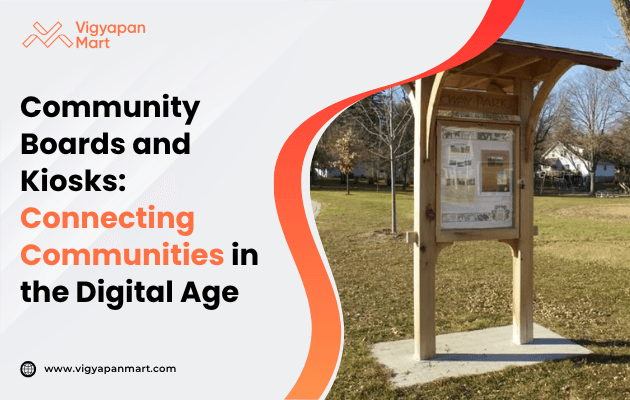
Community Boards and Kiosks: Connecting Communities in the Digital Age
Community boards and event promotion kiosks play a big role in bringing people together. They are simple tools that help people learn about local happenings and connect with neighbors. While we live in a digital world, these physical spaces and kiosks are just as important as ever. Let’s explore how they work, why they matter, and how you can use them to promote your own events.
What Are Community Boards and Kiosks?
Community boards are places like bulletin boards in libraries, grocery stores, community centers, or cafes. Anyone can post flyers or announcements about local events, lost pets, club meetings, or small businesses.
Kiosks for event promotion are small structures or display stands placed in busy areas. Some are simple boards, while others are interactive electronic screens. Kiosks catch people’s eyes as they’re walking in the mall, at festivals, on busy streets, or even in parks. They give clear, direct information about events, products, or services.
Pole kiosk advertising is a popular style, where boards are placed on utility poles—these are easy to notice and perfect for local branding, especially in cities with heavy foot or road traffic.
Why Do These Methods Work So Well?
Many people think that digital promotion is all you need, but that’s not always true. Community boards and kiosks have some unique benefits:
- Reach All Ages: Not everyone uses social media or checks their emails every day. Physical boards and kiosks are visible to anyone passing by.
- Local Focus: These tools are usually in places where locals go, so they help reach people who care about events nearby.
- Cost-Effective: Posting on a board or renting a kiosk spot is usually cheap, or even free.
- High Visibility: Kiosks in busy spots or double-sided pole boards catch thousands of eyes each day.
- Easy Engagement: Interactive kiosks let people get more info, sign up for events, or give feedback right on the spot.
- Always On: Unlike staff, kiosks can work 24/7 in public places—letting people catch up with news or events anytime.
How Do You Use Community Boards and Kiosks Effectively?
To make the most out of a board or kiosk, you need a good plan.
1. Create Clear, Simple Messages
- Use large fonts and bright, readable colors.
- Keep your message short and direct: What, When, Where.
- Add a QR code that links to your event or website for more details.
2. Choose the Best Location
- Busy places are best: malls, main streets, event grounds, parks, and outside popular cafes.
- If you use pole kiosk boards, make sure they're allowed in your area and placed at eye level for drivers and walkers.
3. Add a Call-to-Action
- Tell people exactly what to do next like “Visit our club meeting,” “Buy tickets here,” or “Scan for more info”.
4. Make It Visually Exciting
- Use images or graphics so the poster stands out.
- On electronic kiosks, add videos or slideshows about your event to grab attention.
Interesting Facts and Statistics
- In urban areas, pole and kiosk ads can reach thousands of people daily.
- Interactive kiosks can even let people sign up for email updates or send feedback to organizers, which helps make the event better for next time.
- A QR code on printed or digital kiosks can increase engagement by over 30%, as more people scan than type out a website address.
- The cost for local kiosk advertising in some Indian cities starts as low as ₹3,500, making it affordable for schools, small businesses, and community groups alike.
Community Boards vs. Digital Kiosks
| Feature | Community Boards | Digital/Interactive Kiosks |
|---|---|---|
| Cost | Usually free or very low | Higher, but more features |
| Reach | Locals, all age groups | Locals + tech-savvy passersby |
| Engagement | Passive | Can be highly interactive |
| Update speed | Needs manual update | Can be updated in real time |
| Use | Events, lost & found | Events, demos, feedback |
Tips for Getting the Most Out of Boards and Kiosks
- Pair your physical promotions with online posts. For example, add your Instagram or Facebook handle to your flyer so people can follow you online, too.
- Rotate your flyers or digital kiosk content regularly to keep things fresh and attract attention.
- Work with local businesses. Ask if you can put a flyer in their window or on their counter in exchange for a review or social media shoutout.
Conclusion
Community boards and kiosks outdoor advertising continue to prove that sometimes the simplest tools can make the biggest impact. They not only spread information but also strengthen the sense of belonging in neighborhoods, making local events and initiatives more visible and engaging. Whether you’re planning a community meetup, a cultural celebration, or promoting your business, these platforms help connect you directly with the people who matter most, your local audience. In today’s fast-paced digital environment, combining boards, kiosks, and online strategies ensures your message stands out both offline and online. If you’re looking to plan your next campaign effectively, consider booking a consultation with Vigyapan Mart to explore how these tools can amplify your reach and build stronger community connections.
Subscribe to our newsletter
Get updates instantly! Join our community for the latest marketing insights.