
Concept Development for Experiential Pop-Ups
Experiential pop-ups allow brands to engage customers with interactive spaces, games, AR, and live entertainment. In India, these events enhance brand recall, drive sales, and create memorable experiences that leave lasting impressions on visitors.
Published April 13, 2026
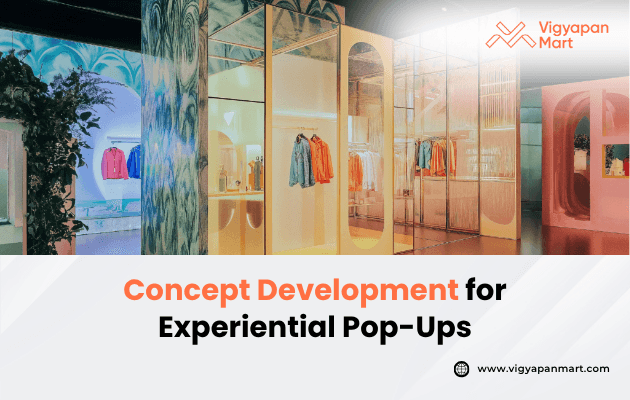
Experiential pop-ups are short-term, interactive events or shops where brands create live experiences for customers. These events allow people to connect with a product or service in a memorable way. In India, experiential pop-ups are growing as a powerful marketing tool that combines fun, learning, and buying in a single space.
What Is an Experiential Pop-Up?
An experiential pop-up is not just a temporary shop. It is a space where visitors can touch, try, and enjoy products or activities linked to a brand. These pop-ups often include games, tech like augmented reality (AR), or performances that make the visit exciting. The goal is to create a strong emotional connection with the brand. In India, brands use pop-ups to test new products or launch in new cities. For example, a popular tea brand might set up a pop-up in Mumbai where visitors can taste different teas and learn about their origins through digital screens. Such interactive elements make the experience richer.
Why Are Pop-Ups Important?
Pop-ups grab attention. They are different from online ads or regular stores because they surprise and engage people in person. According to studies, 85% of consumers are more likely to buy from a brand after participating in an experiential event. This shows how powerful these events are in creating lasting impressions. Also, businesses see much higher return on investment (ROI) because engaged customers tend to spend more. In India, where digital ads are often ignored, experiential pop-ups provide a way to directly engage people. For instance, during festivals like Diwali, many brands create pop-ups with themed decorations, music, and activities to attract families. This not only boosts sales but also builds brand love and loyalty.
Steps in Concept Development for Experiential Pop-Ups
1. Define the Goal and Audience
Before starting, clearly decide the purpose of the pop-up. Is it to introduce a new product, build brand awareness, or gather customer feedback? Knowing the goal helps shape the event. Understand the audience well. For example, a youth fashion brand would create a vibrant, trendy pop-up in Mumbai or Bangalore malls where young people often hang out. A health drink brand might target fitness enthusiasts by setting up pop-ups in gym areas or wellness centers.
2. Choose a Unique Theme or Idea
The theme should reflect the brand and excite visitors. Simple concepts work best. For example, if a snack brand wants to highlight its spicy masala flavor, a pop-up with a "spice challenge" game where visitors taste and guess spices can be fun and relevant. Indian culture and festivals offer rich themes, brands can tie pop-ups to Holi, Ganesh Chaturthi, or cricket seasons. This creates instant relatability and draws crowds.
3. Select Location and Duration
The right location is key. It should be where the target audience naturally gathers, shopping malls, college campuses, or busy market streets. Pop-ups usually last a few days to a couple of weeks. Short duration keeps excitement high and encourages people to visit before the event ends. For example, the "Coke Studio" pop-up event during music festivals in cities like Pune or Delhi attracts huge crowds for just a few days.
4. Design the Space for Interaction
People remember experiences that offer participation over observation. The pop-up design should invite visitors to touch, try, and engage.
Indian brands increasingly use interactive features such as:
- Virtual reality zones to explore product stories
- DIY product customization stations, such as personalizing a bottle or garment
- Photo booths with themes for social media sharing
- Gaming zones or quizzes with prizes
For example, a cosmetic brand in Bangalore ran a pop-up where visitors could try makeup looks using AR mirrors, helping them experiment without mess.
5. Integrate Technology Smartly
Technology can make pop-ups more immersive and memorable. In India, many brands use:
- RFID or smart badges to track how visitors move inside the pop-up and which products interest them the most.
- Mobile apps with scavenger hunts or puzzles related to the brand story.
- Social media kiosks encourage visitors to share live posts, thus extending the event’s reach beyond the physical space.
Such "phygital" (physical + digital) experiences help brands collect valuable data and create buzz.
6. Plan Entertainment and Engagement
Adding live music, dance, or celebrity appearances can increase footfall. Brands often collaborate with local artists or influencers to connect better with local audiences. For example, during the Delhi Fashion Week, beauty brands create pop-ups featuring stylists and bloggers who conduct workshops and demos, attracting fashion lovers naturally.
7. Prepare Staff and Logistics
Trained staff who can engage visitors warmly and explain products well are crucial. Good staffing ensures visitors have a positive experience and leave with good memories. Organizing delivery, setup, teardown, and supplies efficiently is also essential to avoid hiccups.
8. Track and Measure Success
Collect feedback actively through quick surveys or digital forms. Measure footfall, social media activity, product sales, and leads generated to analyze return on investment. Indian brands like Dabur and Amul share case studies where their pop-ups significantly increased awareness and sales in target localities by carefully tracking results.
Conclusion
Experiential pop-ups are like mini worlds where people can touch, play, and enjoy a brand in real life. They make shopping fun and help customers remember the product for a long time. In India, these pop-ups stand out because they mix culture, tech, and entertainment all in one place. When done right, they bring crowds, create excitement, and make people love the brand. At Vigyapan Mart, we love turning ideas into these live experiences. If you’re dreaming about a pop-up that grabs attention and connects deeply with people, let’s plan it together. We’ll help you make it interactive, memorable, and something visitors talk about long after it’s gone.
Subscribe to our newsletter
Get updates instantly! Join our community for the latest marketing insights.