
Door-to-Door and Mobile OOH Strategies in Villages
Door to door and mobile OOH strategies build trust and visibility in villages. Combining personal interaction with mobile advertising ensures brands connect directly with rural audiences, driving awareness, loyalty, and stronger engagement in local communities.
Published May 2, 2025 · Updated April 13, 2026
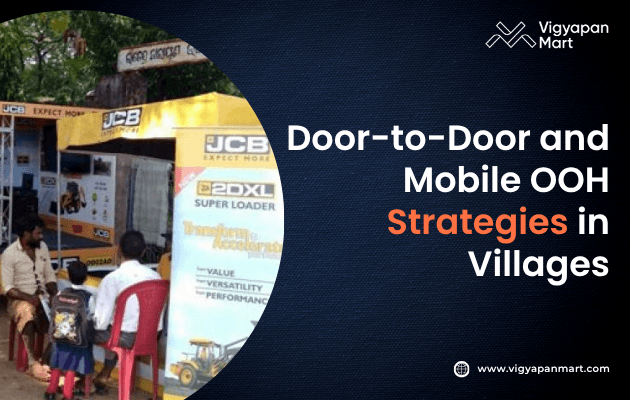
In today's fast-changing world, villages remain special places with unique ways of communication. Reaching people in villages requires different methods than cities. Two powerful ways to connect with village audiences are Door-to-Door marketing and Mobile Out-of-Home (OOH) advertising. This blog explains these strategies simply, so anyone can understand how they work and why they are effective.
What is Door-to-Door Marketing?
Door-to-Door (D2D) marketing means talking to people directly at their homes. Sales or marketing people visit houses, show products, explain benefits, and sometimes give samples. This way creates a personal connection and trust, which is very important in villages. In villages, many people don’t rely only on TVs or the internet for information. Instead, they listen to neighbors, friends, or trusted visitors. So, when someone comes to their door to explain a product, it feels more real and trustworthy. Door-to-Door sales reps can understand what each family needs by asking questions. For example, if a family wants good cooking oil or a new type of soap, the rep can recommend the right product on the spot. This personalized process helps increase sales and build brand loyalty.
Why Door-to-Door Works Well in Villages?
- Villagers prefer direct communication because they value relationships and trust.
- Many houses may not have internet or TV access, so D2D reaches them effectively.
- D2D allows for demonstration of product use and answering questions live.
- It helps brands understand rural consumers better through face-to-face feedback.
- It supports building long-term bonds, so people buy again and recommend to others.
Studies and rural marketing experts show that door-to-door strategies can create strong word-of-mouth in villages, which spreads quickly and widely.
What is Mobile OOH Advertising?
Out-of-Home (OOH) advertising means ads you see outside of your home, like billboards, posters, or ads on buses. Mobile OOH is when ads are placed on moving vehicles like vans or trucks. These mobile vans travel through villages, showing videos, playing audio jingles, and carrying product samples or brochures. Mobile vans attract attention because they move through different areas, reaching many people in a short time. The audio and video elements make the ads more lively and engaging than just a poster.
Benefits of Mobile OOH in Villages:
- Mobile vans can visit multiple villages in one day, increasing exposure.
- Sound and video create memorable impressions beyond just static visuals.
- Vans can distribute product samples and flyers, making it easy for villagers to try new things.
- This method suits villages where many people gather in common places like markets or fairs.
- It helps brands get noticed even in remote places without fixed advertising spaces.
For example, companies have used mobile vans to teach digital payments and show product benefits with live demos. They also use music and storytelling in ads to keep villagers interested.
Combining Door-to-Door with Mobile OOH
Both strategies complement each other well. Mobile OOH grabs attention of large groups in public spaces, while door-to-door visits build one-on-one relationships.
- Mobile vans create awareness and curiosity.
- Door-to-door reps follow up by answering questions, selling products, and reinforcing trust.
- Together they make sure both wide reach and personal touch are covered.
This combination can dramatically improve brand recognition and sales in rural markets.
Other Effective Village Marketing Ideas
Besides door-to-door and mobile vans, some other popular rural tactics include:
- Puppet Shows: Using puppet performances with songs and stories to deliver brand messages that entertain and educate. They attract big crowds and engage shy villagers.
- Village Fairs (Melas): Setting up stalls at local festivals where many people gather, making it easier to introduce products.
- Word-of-Mouth: Encouraging villagers who like a product to tell their friends and relatives, multiplying marketing reach naturally.
- Wall Paintings and Hoardings: Bright, colorful ads on walls of the village that remain visible daily.
These local and familiar methods work well because they fit the rural culture and lifestyle.
Why Do These Strategies Matter?
Villages are home to a large part of the population in many countries, including India. For brands, ignoring rural markets means missing big opportunities. However, rural markets differ from cities in terms of lifestyle, habits, and media access. Door-to-door and mobile OOH strategies work because they meet villagers where they live, using familiar methods that build trust and engagement. They also offer flexibility for brands to show, tell, and involve people directly. Studies show that these approaches create stronger brand loyalty and faster adoption of new products, as people experience them personally, not just through distant ads.
Challenges and Tips for Success
- Villages may have scattered houses and difficult roads, so planning routes is important.
- Staff should be trained to respect village customs and speak local languages.
- Combining these strategies with digital tools (like local social media and messaging apps) can enhance impact.
- Tracking progress and feedback helps improve future campaigns.
Overall, patience and attention to local culture are key.
Conclusion:
Door-to-Door and Mobile Out-of-Home advertising are smart, effective ways to reach village audiences. Door-to-door brings personal connection and trust. Using these strategies alongside other rural marketing methods like puppet shows and village fairs leads to strong results. With millions living in villages, these strategies help brands grow and serve rural customers better than ever before. If you want to succeed in villages, think beyond traditional ads. Connect with Vigyapan Mart experts and let’s utilise the door-to-door & mobile rural marketing campaign for winning people in remote areas.
Subscribe to our newsletter
Get updates instantly! Join our community for the latest marketing insights.