
Enhance Your Brand Awareness with Street Furniture Advertising?
Street furniture advertising leverages urban fixtures like benches and bus shelters to enhance brand awareness. It offers high visibility, localized targeting, and cost-efficiency, making it ideal for both large corporations and SMEs to connect with diverse audiences and boost engagement.
Published June 21, 2024 · Updated April 13, 2026
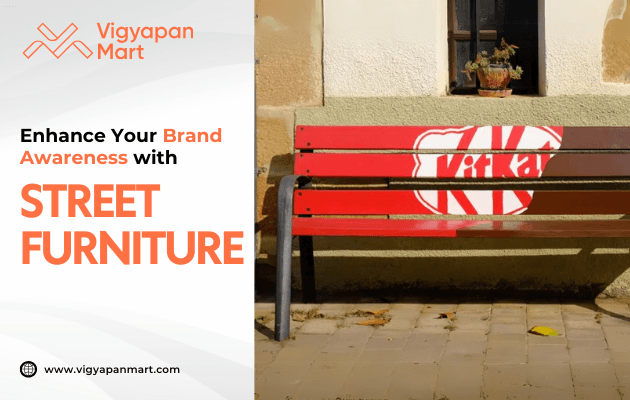
In today’s fast-paced world, capturing consumer attention requires creativity and strategic placement. Street furniture advertising is an innovative and effective way to enhance brand awareness. By leveraging everyday urban infrastructure like bus shelters, benches, kiosks, and more, brands can engage with diverse audiences in high-traffic areas. Let’s explore how this advertising method works, its benefits, and why it’s a game-changer for businesses.
What is Street Furniture Advertising?
Street furniture advertising involves placing ads on public amenities such as:
- Bus shelters
- Benches
- Kiosks
- Public restrooms
- Trash bins
These ads are strategically located in urban areas where pedestrians, commuters, and residents can easily see them. Unlike traditional billboards, street furniture ads blend seamlessly into the environment while delivering a strong brand message.
Why Choose Street Furniture Advertising?
Here are some compelling reasons why businesses should consider this form of advertising:
1. High Visibility
Street furniture ads are placed in busy shopping centers, schools, and transit stops. These areas naturally attract a large audience, ensuring your brand gets noticed.
2. Cost-Effective
Compared to other advertising methods like TV or digital campaigns, street furniture advertising is budget-friendly. Small and medium-sized enterprises (SMEs) can leverage it to maximize their marketing reach without overspending.
3. Localized Targeting
This form of advertising allows brands to connect with local communities. For instance, a coffee shop near a bus stop can use a shelter ad to attract nearby commuters.
4. Path-to-Purchase Influence
Research shows that 43% of people who notice street furniture ads visit the store—24% immediately and 76% later. This makes it an effective tool for driving sales.
5. Community Engagement
Street furniture ads often become part of the neighborhood fabric. They foster a sense of familiarity and trust, making your brand feel like an integral part of the community.
The Numbers Speak for Themselves
Here’s how street furniture advertising performs based on research:
| Metric | Percentage/Impact |
|---|---|
| People recalling an ad on street furniture | 85% |
| Consumers visiting a store after seeing an ad | 43% (24% immediately, 76% later) |
| Viewers noticing directional OOH (Out-of-Home) ads | 39% |
| Visitors making purchases after seeing directional ads | 74% |
These statistics highlight the power of street furniture advertising in influencing consumer behavior.
Benefits for Different Business Types
For Large Corporations
- Reach a broad audience with creative campaigns.
- Reinforce brand identity by dominating urban spaces.
For Small & Medium Enterprises (SMEs)
- Cost-effective solution for local marketing.
- Build strong connections with the community.
- Increase foot traffic to nearby stores or services.
Creative Ideas for Street Furniture Advertising:
To make your campaign stand out, creativity is key. Here are some ideas:
- Interactive Ads: Use QR codes or augmented reality (AR) to engage passersby.
- Seasonal Themes: Tailor your ads to holidays or local events.
- Eco-Friendly Messaging: Incorporate sustainability themes to resonate with modern consumers.
- Directional Ads: Guide people directly to your store or event location.
How to Execute a Successful Campaign?
Follow these steps to ensure your street furniture advertising campaign is impactful:
1. Identify Your Target Audience
Understand who you want to reach—commuters, shoppers, students—and choose locations accordingly.
2. Choose Strategic Locations
Place ads where they’re most likely to be noticed: near schools, malls, or transit hubs.
3. Design Eye-Catching Ads
Use bold visuals and concise messaging that grab attention instantly.
4. Measure Performance
Track metrics like store visits or website traffic to gauge the effectiveness of your campaign.
Why Is Now the Time for Street Furniture Advertising?
With changing commuter patterns and increased focus on local shopping post-pandemic, street furniture advertising has become more relevant than ever. It offers brands an opportunity to connect with audiences in their everyday environments while remaining cost-efficient.
Conclusion
Street furniture advertising is more than just placing an ad; it’s about creating meaningful connections with consumers in their lives. Whether you’re a global corporation or a small business owner, this form of advertising can amplify your brand presence and drive tangible results. Are you looking for professional guidance in Street Furniture Advertising? Connect with Vigyapan Mart today!
Subscribe to our newsletter
Get updates instantly! Join our community for the latest marketing insights.