
Facial Recognition, Geo-Targeting, and Personalized Retail OOH Ads
Facial recognition and geo-targeting are revolutionizing retail OOH advertising. These technologies personalize ads based on age, mood, and location, creating engaging experiences, increasing sales, and transforming traditional billboards into smart, interactive marketing tools for businesses.
Published April 13, 2026
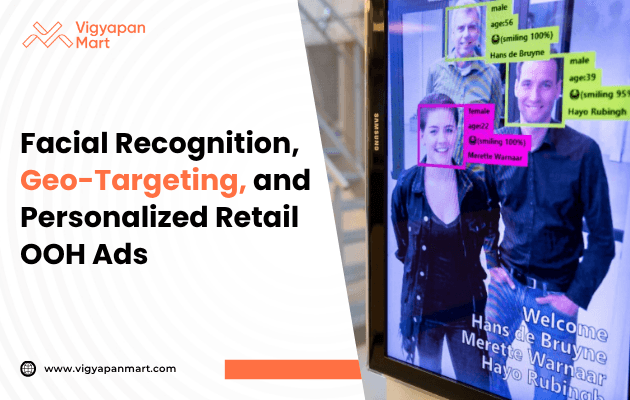
Out-of-home advertising (OOH) means ads you see outside your home, like billboards, big screens in malls, and signs at bus stops. Today, technology is making these ads smarter than ever. With tools like facial recognition, geo-targeting, and artificial intelligence (AI), OOH ads can now speak directly to you, making shopping and finding products more fun and interactive.
What Is Facial Recognition in Ads?
Facial recognition is a computer tool that looks at faces and tries to figure out things like age, gender, or even your mood. It does not know your name or who you are, but just collects basic details. Some digital billboards today have cameras and sensors that scan faces as people walk by. If you are a child, you might see a toy commercial. If you are an adult, the ad might change to show groceries or electronics you like. These ads try to match what you see with what you might want.
How Does Geo-Targeting Work?
Geo-targeting uses information about where you are. Your mobile phone shares a location signal, and smart billboards can show ads that fit your area. For example, if you are near a pizza shop at lunchtime, you might see an ad for a special pizza deal. Dominos and ice cream companies have used geo-targeted ads to send deals to people who are close to their stores. This means you get deals and information that are just right for where you are standing.
Personalized Retail OOH Ads Explained
When ads use both facial recognition and geo-targeting, they become very personal. The billboard looks at your age or mood, checks where you are, and then plays an ad made just for you. Coca-Cola uses vending machines with facial recognition to see which drinks are most popular and make better choices on where to send their products. Brands can show special offers to parents at schools, or yummy food ads to people who look hungry and are near restaurants.
Why Do Companies Use These Technologies?
- OOH ads become more exciting and catch people’s attention.
- Companies can save money by only showing ads to people who care about them.
- Real-time data means ads change fast, and can even depend on the weather. For example, if it starts raining, an ad for umbrellas can pop up.
Are These Ads Safe?
Most OOH ad systems use “anonymous” data, which means they do not collect your name or share your private details. The goal is to make ads more fun, not to spy on anyone. Still, the companies work carefully to follow privacy rules so everyone feels safe with these new technologies.
Cool Examples in Real Life
- In shopping malls, a digital screen can see who is walking by and change the ad from shoes to sports gear, depending on who looks interested.
- At a bus stop, the ad might switch to rain jackets if it starts raining, or sunglasses if the sun comes out.
- Stores like Van Leeuwen use phone apps to find out when their fans are near and send out tasty ice cream deals.
Conclusion
Facial recognition and geo-targeting make OOH ads smart and super helpful. They turn everyday billboards into interactive helpers that show you offers you really care about. Technology is changing ads to make them more like friendly guides than boring signs, just look up! Want to turn your retail OOH ads rich with the power of technology? Connect with Vigyapan Mart today!
Subscribe to our newsletter
Get updates instantly! Join our community for the latest marketing insights.