
Gamifying the Wait at Bus Stops
Gamification at bus stops makes waiting fun and rewarding through games, challenges, and apps. It reduces frustration, fosters community, and encourages eco-friendly travel while helping cities and brands engage commuters in innovative, interactive ways.
Published August 15, 2025 · Updated April 13, 2026
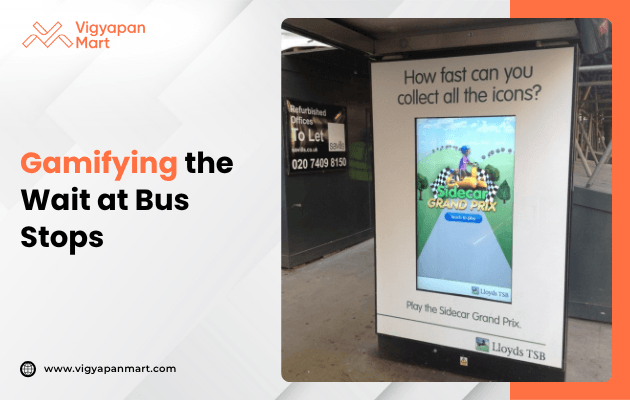
Waiting for a bus can often feel boring or even frustrating. Most people, especially students and daily commuters, know the feeling of standing around not knowing what to do while minutes crawl by. But what if waiting at a bus stop could become fun, interactive, and even rewarding? Gamifying the wait at bus stops is an idea that is quickly gaining popularity in cities around the world. Let’s explore how it works, why it matters, and what real benefits it brings to both passengers and transit systems.
What is Gamification?
Gamification means adding game-like features to activities that aren’t traditional games. This can include points, leaderboards, badges, quizzes, or even challenges. When used well, gamification makes daily tasks more engaging and enjoyable, and can even help change people’s behaviors for the better. At bus stops, gamification could let people play interactive games, take part in team activities, earn rewards, or simply learn more about their public transit system.
Why Gamify Waiting?
1. Making Waiting Time Enjoyable
Surveys and studies show that people do not like waiting. In fact, the perceived wait time can often feel longer than the actual wait. By introducing games or fun activities, waiting becomes less boring and more enjoyable, making people feel that time passes faster. For example, some interactive bus stops allow you to connect your smartphone, play mini-games, and even connect with fellow passengers.
2. Building Engagement and Community
Gamified bus stops can foster a sense of community. Leaderboards and team activities encourage friendly competition or collaboration among commuters. Passengers might work together to achieve a high score for their bus line, unlocking perks or even rewards for everyone on the route.
3. Incentivizing Good Behavior and Green Choices
Public transit agencies can use game elements such as points or badges to motivate people. For example, riders can earn rewards for:
- Using buses during less-crowded hours
- Visiting less-used stations to spread out ridership
- Helping keep the bus stop clear
These incentives encourage sustainable travel and better habits.
4. Learning Through Play
Gamified stops can also be educational. Users may participate in quizzes about local attractions, transit safety, or environmental protection. This makes important information easier to remember and leads to passengers who are more informed and confident.
How Does It Work?
Digital Games and Kiosks
Some cities have started to install digital screens or interactive kiosks at bus stops. These can host quick games, trivia rounds, or group challenges. Commuters scan a QR code or tap their phones to join in. They might win discount coupons, tickets to events, or small prizes for reaching a high score or participating in a daily challenge. "The Bus Stop Game transforms waiting into interactive game sessions. Riders can compete for points, unlock content, and redeem rewards sponsored by brands or transit agencies."
Apps and Social Interaction
Many modern transit systems are developing mobile apps. These apps can send push notifications for daily challenges, share live leaderboards, or let users collaborate in groups. Some apps even allow users to share tips, stories, and photos, turning the bus stop experience into a social event.
What’s the Results: Is Gamification Effective?
Cities that have tested gamification at transit stops have found several positive effects:
- Reduced Negative Perception: Passengers felt wait times were shorter and less frustrating.
- Higher Ridership: Fun experiences attracted new riders and encouraged regulars to keep using transit.
- Behavior Change: Scoring systems and challenges led to more sustainable travel habits, like off-peak travel and cleaner bus stops.
- Community Growth: Many users reported enjoying the sense of community and increased interaction with fellow commuters.
Studies from Europe and the US have shown that even small games or reward systems can make a big difference in how people perceive public transit and waiting times.
What Do Passengers Win?
Besides simply making waiting more fun, people at bus stops can win real and virtual rewards:
- Discount coupons for stores or coffee shops
- Badges, high scores, or digital trophies
- Free tickets to concerts or events
- Recognition on public leaderboards (for the most eco-friendly traveler, for example)
- A better and happier commuting experience
The Future of Waiting: Where Are We Headed?
Gamifying the wait at bus stops is transforming idle time into engaging, interactive, and even rewarding experiences for commuters. By turning moments of waiting into opportunities for play, learning, and community interaction, gamification improves how passengers perceive public transit and encourages more sustainable habits. Beyond just entertainment, it serves as a tool for promoting eco-friendly choices, sharing valuable information, and building a stronger sense of community. With digital kiosks, mobile apps, and reward systems, the future of bus advertising is becoming smarter and more enjoyable. If you’re exploring innovative ways to enhance commuter experiences through gamified transit solutions, Vigyapan Mart can help you design and implement impactful strategies. Book a consultation to get started.
Subscribe to our newsletter
Get updates instantly! Join our community for the latest marketing insights.