
How 2026 Indian Mall Branding Strategies Can Boost Sales?
Indian mall branding in 2026 blends hyper local culture technology sustainability and data driven loyalty programs. These strategies help malls increase footfall extend shopper time and boost sales while competing effectively with fast growing e commerce platforms.
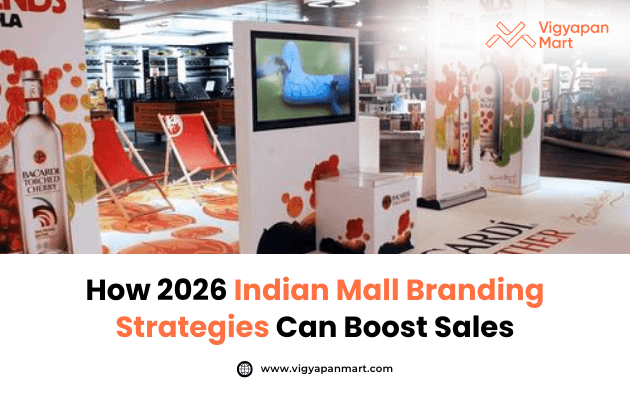
Indian malls face tough times with online shopping growing fast. But 2026 brings new chances. Malls can use smart branding to pull more crowds and increase sales. Think of mixing local culture, tech like AR, and green ideas. This fits India's big retail market, growing to over $1.5 trillion by 2030 as per government reports. Tier-2 cities like Ghaziabad see more malls opening. Good branding makes people stay longer and spend more. In this post, we look at five simple strategies for 2026 that seasoned agencies like Vigyapan Mart follow. These can help mall owners beat e-commerce giants like Flipkart.
How’s India's Mall Scene in 2026?
Malls in India are changing fast. Big cities have old malls with empty shops. Tier-2 places like Lucknow or Indore now have new ones. People want fun shopping, not just buying. Phones and 5G make "phygital" experiences hot. Customers skip boring malls for ones with events. Branding helps here. It builds trust and excitement. Malls like Lulu in Kochi use local touches to draw families. Sales go up when people feel connected. Here are some 2026 Mall Branding trends:
1. Hyper-Local Cultural Experiences
Make malls feel like home. Tie branding to local festivals and food. In Uttar Pradesh malls, set up Diwali markets with regional sweets. In South India, there are Pongal fairs. This keeps shoppers for hours. They buy more on impulse. Local influencers on Instagram Reels share these events. Families come for fun and shop extra. Simple signage in Hindi or Tamil makes it welcoming. This strategy works well in Tier-2 cities where people love their roots. Owners see footfall rise quickly.
2. Phygital Branding with AR and AI
Blend online and offline smartly. Put QR codes on posters for AR try-ons. Shoppers scan to see clothes on themselves. AI chatbots on mall apps give personal deals in regional languages. With Jio's fast net, this runs smoothly. In Mumbai's Phoenix Mall, VR zones already boost sales. For 2026, add it everywhere. People share videos on TikTok, bringing free ads. This cuts cart abandonment and lifts sales by making shopping fun and easy.
3. Sustainability as Brand Strength
Go green to win hearts. Use solar lights and recycle bins. Show off with walls made from waste plastic. India's young buyers care about the planet. Label products as eco-friendly. Host workshops on zero-waste living. Malls like Vegas in Dwarka do this well. Shoppers pay more for green brands. Tie it to local pride, like using cloth bags with regional prints. This builds loyal customers who return often.
4. Influencer Campaigns and Games
Team up with local influencers. Run Reels contests like "Find the best deal." Give prizes for shares. Gamify with app hunt features can spot discounts. Auto brands can join for test-drive events. In Ghaziabad malls, this pulls young crowds. Track sales with promo codes. Short videos spread fast on YouTube Shorts. It's cheap and gets a real buzz. Families play together and spend more.
5. Loyalty Programs with Data
Build apps for points on every buy. Send push alerts for sales. Link with UPI for easy cashback. Use data to know what customers like. Offer birthday deals. Big chains like Inorbit do this. It keeps people coming back. In Tier-2 malls, add local perks like free parking stamps. This turns one-time visitors into regulars.
Conclusion
2026 Indian mall branding is about local feel, tech, green steps, fun campaigns, and smart loyalty. These strategies fit India's mix of cities and villages. Now, what’s next? Partner with a mall branding agency such as Vigyapan Mart and start small. Brands can start with one event or app update. Track all the execution and watch sales grow as people choose branded fun over plain online buys.
Subscribe to our newsletter
Get updates instantly! Join our community for the latest marketing insights.