
How Retail Media Networks Operate for Boosting Advertising in Supermarkets?
Retail Media Networks help supermarkets boost advertising by using first party shopper data to deliver targeted ads across screens apps and shelves improving brand visibility increasing conversions and creating new revenue streams for retailers in India and globally.
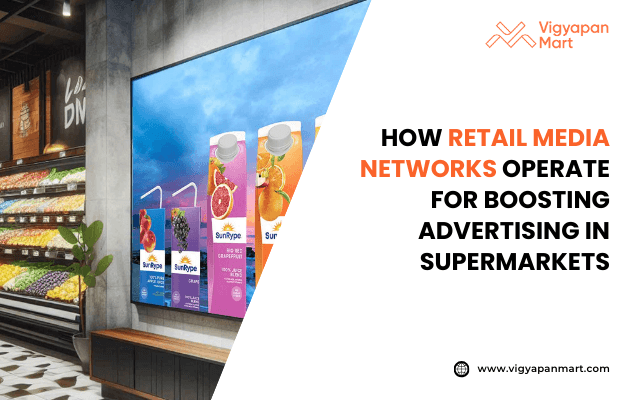
In today's busy markets, supermarkets are not just for shopping, they are turning into big ad spaces. Retail Media Networks (RMNs) are tech platforms run by retailers like Reliance Retail or BigBasket in India. They use shopper data from loyalty cards and in-store cameras to show targeted ads on screens, apps, and shelves. Global ad spend on retail media crossed $50 billion in 2025 and is growing fast, as per eMarketer reports. RMNs help supermarkets earn extra money while helping brands reach the right customers at the right time. This post explains how they work step by step to boost advertising.
Core Components of Retail Media Networks
First-Party Data Engine
Retail Media Networks (RMNs) start with first-party data. This is the goldmine of info retailers own. This includes shopper purchase history from billing records, loyalty programme details like points earned, and in-store behaviours. For example, sensors or cameras track dwell time.
In India, BigBasket uses app data to note frequent buyers of dal or rice. This data is anonymised and consent-based, helping create shopper profiles without privacy issues.
Ad Inventory Across Channels
RMNs offer ads in many spots to catch shoppers everywhere.
Digital Channels: Screens at aisles or entrances flash promos, like "Buy 2 get 1 free on soaps." Retail apps send push notifications, while email or SMS follows up post-visit, such as "Missed the milk deal?"
Physical Channels: Shelf talkers with prices and ads sit right by products. Cart handles have small screens or stickers, and endcaps (shelf ends) feature big displays with QR codes linking to discounts. Reliance Retail in Pune uses these in hypermarkets for local brands.
Tech Stack
The brains behind RMNs are AI-driven platforms. Kroger Precision Marketing (adaptable in India) handles targeting and bidding. In supermarkets, JioMart RMN integrates this tech for real-time ads, boosting sales by matching local tastes like chai or spices. This stack ensures ads feel helpful, not pushy.
How RMNs Operate: The End-to-End Process
RMNs follow a clear five-step process to deliver ads that drive sales. Here's how it happens:
- Data Collection: Retailers gather safe, anonymised data from point-of-sale systems, CCTV footfall trackers, and apps. For example, if you often buy rice, the system notes it.
- Advertiser Onboarding: Brands like Hindustan Unilever log into easy dashboards to buy ad slots. They pay per click (CPC) or per thousand views (CPM), just like Google Ads.
- Targeting & Personalisation: AI matches ads to shopper groups. A family buying diapers might see baby wipes on the screen nearby.
- Ad Delivery: Ads appear in real-time on in-store screens, via SMS after checkout, or in the retailer's app. QR codes on shelves link to online deals.
- Measurement & Optimisation: Retailers track sales lift with tools showing how ads boosted purchases by 15-25%, as seen in IAB studies. A/B tests improve future campaigns.
This loop makes ads relevant, cutting waste and lifting store traffic.
Boosting Supermarket Advertising: Key Benefits & Real-World Wins
RMNs supercharge advertising for everyone involved. Retailers gain new income while drawing more footfall with exciting promos. Brands get better returns than TV ads, with up to 30-40% higher conversions from precise targeting, according to industry benchmarks. For example - In India, Reliance Retail's RMN helps local FMCG brands like ITC push products in hypermarkets, increasing basket sizes. Challenges exist, like data privacy under India's DPDP Act, but solutions like consent-based targeting keep things compliant. Overall, RMNs make supermarkets the advertisements powerhouses, blending online smarts with offline shopping.
The Future of RMNs in Supermarkets
Looking ahead, RMNs will get even smarter. Programmatic buying lets brands bid for ad slots in seconds, like stock trading. Augmented reality (AR) on screens could let shoppers "try" products virtually. In India, tier-2 cities will see big growth as chains like DMart expand digital screens. Omnichannel links such as in-store ads leading to quick commerce deliveries will boom. With a milestone growth in Asia-Pacific per GroupM forecasts, RMNs are set to redefine supermarket advertising.
Conclusion
Retail Media Networks have changed how supermarkets boost advertising. By using shopper data for targeted ads on screens, apps, and shelves, they create win-win situations: retailers earn more, brands sell better, and shoppers see useful deals. From data collection to sales measurement, the process is simple yet powerful. As tech like AI and AR grows, especially in India, RMNs will make every store visit an ad success story. Supermarkets are no longer just shops, they are smart media hubs driving the future of retail. Want to kick boost your brand’s visibility with the power of RMN? Connect with Vigyapan Mart supermarket advertising experts today.
Subscribe to our newsletter
Get updates instantly! Join our community for the latest marketing insights.