
How Tinder’s Marketing Strategies Make It A Perfect Matchmaker?
This blog explains how Tinder marketing strategies fueled massive growth using viral campus launches gamified swiping influencer campaigns and localized branding helping Tinder dominate the global online dating market among millennials and Gen Z audiences
Tinder’s core marketing strategy centers on rapid, viral user acquisition through exclusivity, grassroots word-of-mouth advertising campaigns, a simple and addictive swipe mechanism, and highly targeted digital advertising focused on younger, tech-savvy audiences. By leveraging the app’s unique design, campus launches, and cultural relevance, Tinder built a strong brand identity around casual connections and real-time engagement.
Key Components of Tinder’s Strategy
- Exclusivity and Viral Growth: Tinder started with invite-only access on college campuses, creating FOMO (fear of missing out) and leveraging social groups like fraternities and sororities to spread the app rapidly through word-of-mouth.
- Swipe Feature: The iconic swipe right/left interface gamified dating, encouraging users to share the app and naturally promote it among friends.
- Freemium Model: The app is free to use but offers tiered paid upgrades (Plus, Gold, Platinum) that solve dating anxieties and increase engagement via exclusivity and feature-based value.
- Social Media and Advertising: Tinder uses bold campaigns, influencer partnerships, and localized ads to stay culturally relevant. Campaigns like “It Starts With a Swipe” position Tinder not just for dating, but diverse connections.
- Re-engagement Tactics: Personalized push notifications (“You have a new match”) maintain high daily active rates and keep users returning to the app.
- Local and Event-Based Marketing: Tinder personalizes experiences for different markets through city-specific events, collaborations, and local influencer partnerships, ensuring the brand resonates across cultures.
Strategic Takeaways
- Segmenting users based on churn and relationship status lets Tinder craft remarketing campaigns with high relevance while minimizing lost users after successful matches.
- Social proof, meme marketing, and pop-culture marketing integrations create brand story, while paid ads emulate internet humor for better audience resonance.
- User-generated content, real-time marketing engagement, and community events reinforce Tinder’s presence as a lifestyle platform for millennials and Gen Z.
Best Tinder Marketing Campaigns
1. “It Starts With a Swipe”
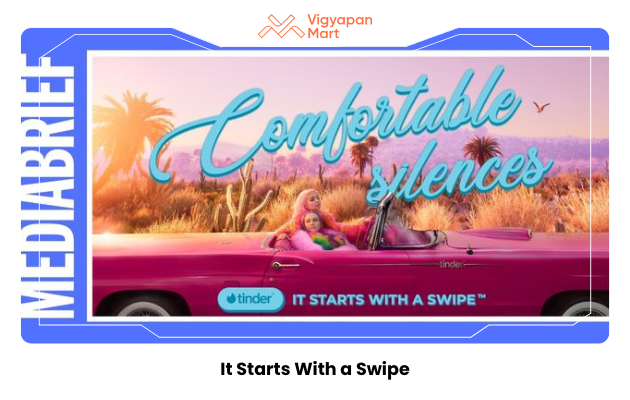
Launch Date: February 28, 2023
What They Did
Tinder launched its first ever global brand marketing campaign, celebrating the diversity and vibrancy of connections. The campaign featured lush, colorful visuals and marketing messages to position Tinder as a platform for all forms of modern relationships, not just casual dating.
Performance
The campaign reached millions of users through social media, streaming platforms, and out-of-home placements, successfully shifting perceptions of Tinder to emphasize long-term relationships and inclusion.
Key Features
- Vibrant, inclusive imagery showcasing different types of love and connections.
- Aimed at Gen Z’s evolving relationship goals.
- Out-of-home ads in major cities.
- Artistic visuals by Pol Kurucz.
2. “Crush Feelings”

Launch Date: August 24, 2025
What They Did
Targeting Gen Z, “Crush Feelings” focused on the euphoric rush of catching feelings for the first time. This marketing campaign promoted authentic, fun, and emotionally resonant connections using creative short videos and influencer collaborations for marketing.
Performance
The marketing campaign was praised for its relatability and for resonating deeply with Gen Z, driving high levels of engagement and user-generated content.
Key Features
- Emotional storytelling in videos.
- Social media challenges and influencer tie-ins.
- Celebrated vulnerability in online dating.
3. "You Up?"
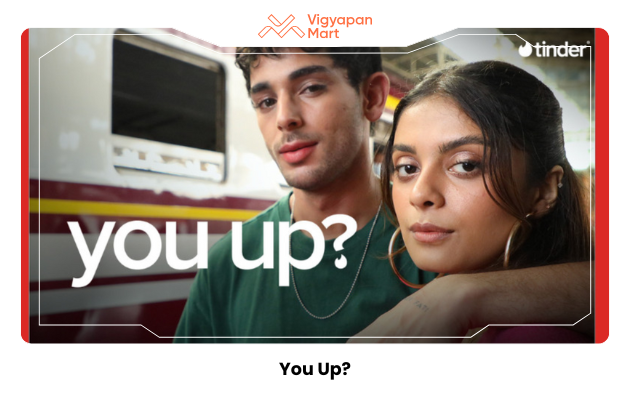
Launch Date: April 9, 2023
What They Did
This marketing campaign encouraged young users to define their dating intentions upfront, promoting openness about casual connections and situationships.
Performance
“You Up?” garnered over 50 million views and created a significant spike in users listing their relationship intentions on profiles, with a 49% increase reported.
Key Features
- Empowered singles to express what they want.
- Focused on the evolving norms of dating and situationships.
- Music-driven creative targeting Gen Z in India.
4. "Swipe Night"
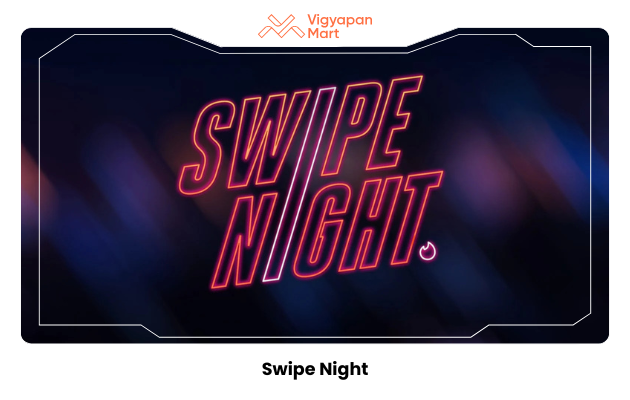
Launch Date: October 2019 (original); various revivals aimed at Gen Z
What They Did
This advertising campaign used an interactive video series where users made plot-altering decisions as part of a dating adventure, which then matched them with other users making similar choices.
Performance
The campaign drove record engagement, viral social sharing, and became a pop culture phenomenon among younger audiences.
Key Features
- Immersive, choose-your-own-adventure format.
- Social matching based on user choices.
- Weekly episodic launches.
5. "Share My Date"
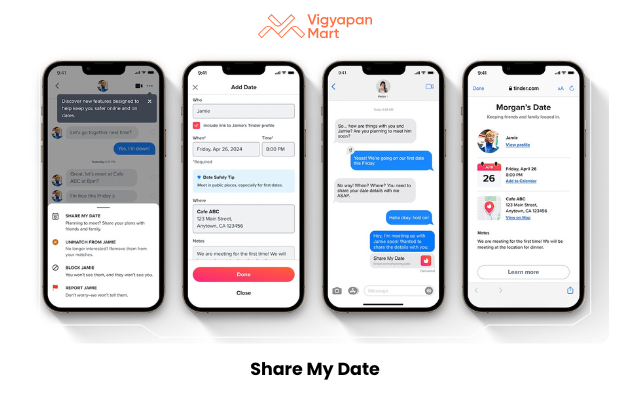
Launch Date: May 25, 2024
What They Did
Launched a new safety feature enabling users to share their date details with friends and family. The campaign partnered with TikTok creators and rolled out across major digital platforms.
Performance
Widely adopted by younger users, enhancing safety perception and driving positive press and social buzz. TikTok videos spread awareness and showcased how the feature works.
Key Features
- Social safety campaign with TikTok influencers.
- Paid placements on digital and audio platforms.
- Emphasized safe dating culture in Australia and globally.
6. "Dating, Your Way"

Launch Date: March 27, 2025
What They Did
Asia-focused campaign highlighting relatable moments in modern dating, with video ads featuring young people from India and beyond navigating self-defined relationship paths.
Performance
Successfully increased app downloads and brand engagement by spotlighting authentic dating experiences relevant to Asian millennials and Gen Z.
Key Features
- Culturally localized messaging and influencers.
- Video ads across India and other Asian markets.
- Focused on self-expression and non-traditional relationship norms.
7. “SXSW Ex Machina”
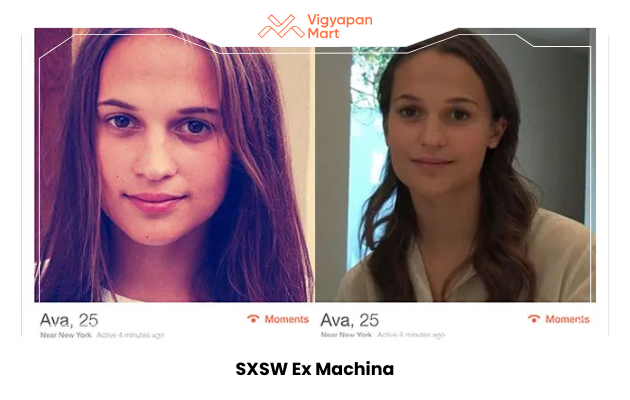
Launch Date: March 2015 (during SXSW)
What They Did
During SXSW, Tinder ran a viral campaign where festival-goers matched with ‘Ava,’ a robot created to promote the film “Ex Machina.” The profile led users to an Instagram page for the film after chat interactions.
Performance
Generated massive buzz both at the festival and online, earning press coverage for its innovative use of the platform and high engagement rates.
Key Features
- Cross-promotion for a film using a fake profile.
- Surprising interactive chat experience.
- Blurred lines between advertising and genuine user engagement.
8. Ex-Press Truck Campaign

Launch Date: April 24, 2025 (Mumbai, India)
What They Did
Tinder India launched the Ex-Press Disposal Truck; a hot pink, branded garbage truck as part of its “Move On” marketing campaign in Mumbai. The truck invited heartbroken singles to toss away items from past relationships, like hoodies and love letters, helping them “let go” of their emotional baggage in a playful, public way.
How It Performed
The marketing campaign went viral on social media, with crowds and influencers posting videos as they dumped their past gifts. It sparked conversation about heartbreak, self-care, and moving on, earning widespread attention from Gen Z and millennials. Tinder reported a 15% increase in app activity in areas served by the truck and a 25% jump in users cleaning up and updating their Tinder profiles.
Key Features
- Bold, street-level breakup activation
- Targeted at young singles prioritizing mental health
- Heavy use of social media marketing and influencer engagement
How Tinder Marketing Strategies Grew It?
Tinder’s marketing strategies powered its explosive growth by targeting young users, leveraging campus launches, viral features, and social media engagement. These tactics created strong, organic adoption and sustained brand relevance.
| Year | Revenue (USD Million) | % Growth | Milestone |
|---|---|---|---|
| 2016 | 169 | – | “Tinder Plus” paid model scales up |
| 2018 | 805 | ~376% (vs 2016) | “Tinder Gold” launches; top global app by revenue |
| 2020 | 1,410 | ~75% (vs 2018) | #1 global dating app by revenue; video features introduced |
| 2021 | 1,650 | ~17% | “Swipe Night” goes global; 10M+ paid users |
| 2023 | 1,918 | ~16% (vs 2021) | Gen Z–focused brand campaigns; paid subscriptions grow |
| 2024 | 2,003 (est.) | ~4% | “Crush Feelings” campaign; steady market leadership |
Conclusion
Tinder’s rapid global growth came from campus launches, viral word-of-mouth, gamified swiping, simplified onboarding, targeted influencer campaigns, freemium monetization, and sustained local engagement. These tactics fueled massive user adoption, high retention, and industry-leading revenue, transforming online dating into a dynamic, mobile-first social experience.
Subscribe to our newsletter
Get updates instantly! Join our community for the latest marketing insights.