
How Localized Festivals and OOH Explores the Untapped Opportunity?
Localized festivals bring unique opportunities for brands to connect with communities. By blending OOH advertising with cultural traditions, brands can create impactful campaigns that enhance engagement, build trust, and drive sales in festive markets across regions.
Published May 4, 2025 · Updated April 13, 2026
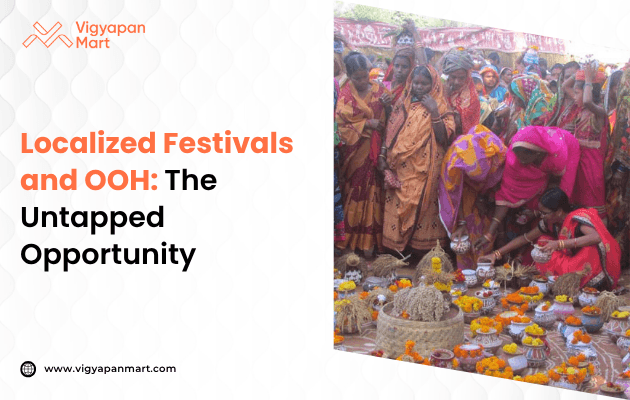
Localized festivals offer a huge, untapped chance for brands to shine using Out-of-Home (OOH) advertising. Combining local culture and public spaces, this strategy can create strong connections with audiences. In this blog, we will explore why tapping into localized festivals with OOH is a smart idea and how it can benefit brands.
What Are Localized Festivals and Why Do They Matter?
Localized festivals are celebrations unique to certain regions or communities. Examples include Pongal in Tamil Nadu, Navratri in Gujarat, or Bihu in Assam. Each festival brings its own culture, rituals, and consumer behaviors. These events spark local economic activity, with people buying gifts, clothes, food, and more. Because these festivals focus on specific areas, they create a natural stage for localized marketing. Brands that match their message to each festival’s spirit can connect more deeply with the audience. This kind of marketing is not just broad advertising; it's about becoming part of the local celebration.
How OOH Advertising Works With Localized Festivals?
Out-of-Home advertising means ads seen outside the home. Think billboards, transit posters, hoardings, and interactive displays. During festivals, streets, malls, and temples get crowded with people in a festive mood, making these places ideal for OOH ads. OOH is not just about catching attention but creating experiences. Brands can use local languages, symbols, and traditions in their creatives. Advances like 3D effects, drone shows, and QR codes let people feel involved and even buy products on the spot.
For example, during Durga Puja, projection mapping on celebration pandals or metro stations designed as kitchens for kitchenware ads have been effective ways to engage consumers directly where the festival excitement is highest.
How Festivals Can Boost Sales and Business Impact?
Festivals aren’t just fun; they boost local sales significantly. In India, festivals like Diwali contribute trillions of rupees to the economy annually. More shoppers mean more demand for everything from electronics to sweets. Advertisers recognize this. In 2024, OOH advertising grew 52% over the previous year, largely thanks to brands tapping into the festive seasons. Around 500–600 advertisers participate during these times, across sectors like FMCG, real estate, electronics, and finance. This growing interest shows festivals are vital economic engines.
Because festivals create predictable shopping surges, aligning brand campaigns with them leads to better reach and impact. Media rates go up, and prime locations get booked early. Brands that plan ahead get better deals and greater visibility.
Four Keys to Crafting Successful Festival OOH Campaigns
Experts highlight four pillars that make festival OOH advertising work:
- Sensory Storytelling: Use visuals, sounds, and touch to bring ads to life. Bigger-than-life displays and immersive experiences make ads memorable.
- Cultural Customization: Adapt ads to local languages, rituals, and symbols. This respect for culture deepens trust and engagement.
- Technology Amplification: Use tech like drones, QR codes, and interactive screens to connect offline excitement with online commerce.
- Predictive Planning: Festivals happen on fixed dates, so marketers can plan budgets and creative strategies ahead of time, locking in prime spots early.
Why Many Brands Still Miss Out?
Despite these benefits, many brands underuse OOH during local festivals. Digital marketing often gets more attention, but OOH brings real-world presence and sensory connection, something digital can’t. Because festivals are local by nature, linear national campaigns might miss nuances. Customized OOH campaigns for each festival can feel more personal and relevant. Also, OOH’s physical nature complements online shopping by driving in-person visits and impulse buys.
Tips for Brands to Tap This Opportunity
To get the most from localized festival OOH campaigns:
- Research Local Festivals: Understand what makes each festival special and the local language and customs.
- Plan Early: Book OOH spaces 30-60 days in advance for the best locations and costs.
- Localize Creatives: Use festival colors, rituals, and stories in ads.
- Use Technology: Add QR codes or AR experiences to link festival fun with purchases.
- Engage on Multiple Touchpoints: Combine OOH with events, social media, and local activations for higher impact.
Conclusion
Localized festivals represent a goldmine for OOH advertising. Brands that tap into this by respecting culture, using innovative experiences, and planning ahead can turn festival cheer into real economic gains. OOH’s physical, sensory power means it will remain a favorite way for brands to connect with audiences when the joy of festivals is at its peak. Want to explore untapped rural advertising opportunities and penetrate the remote market? Connect with Vigyapan Mart experts and discover how.
Subscribe to our newsletter
Get updates instantly! Join our community for the latest marketing insights.