
Measuring Brand Recall Post-Look Walker Activation
Measuring brand recall after Look Walker activations helps brands understand how well audiences remember them. With tools like surveys, QR tracking, and social media analysis, marketers can evaluate impact, improve campaigns, and enhance future brand engagement effectively.
Published December 21, 2025 · Updated April 13, 2026
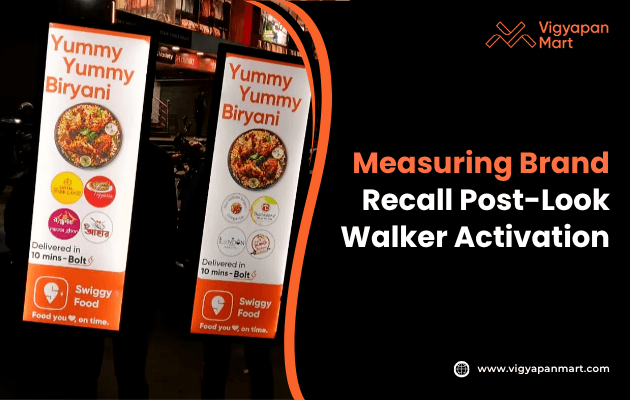
Brand activations are a powerful way for companies to connect directly with their target audience. One popular method in India is the "Look Walker" activation. This involves using brand ambassadors or mobile promotional teams walking through crowded places, streets, or markets, engaging with people, and creating memorable brand experiences. But after such activations, a key question arises: How do brands measure if people actually remember them? This is where brand recall measurement comes in.
What is a Brand Recall?
Brand recall is the ability of people to remember a brand when prompted or unprompted. It shows how well a brand sticks in the minds of consumers after an activation or campaign. For example, if a shopper in Mumbai sees a Look Walker promoting a soft drink and later can say the name of that drink without help, it means the activation created good brand recall. Brand recall goes beyond just recognition, it tells a brand how strong its presence is in the consumer’s mind. The higher the recall, the better the chances that the consumer will choose that brand later when making a purchase.
Why is Measuring Brand Recall Important?
In India, where markets are crowded and consumers see many ads every day, just putting out a brand activation is not enough. Brands need to know if their efforts are paying off. Measuring brand recall helps marketers:
- Understand if their activation created a lasting impression.
- Compare which activation methods worked best.
- Improve future activations based on real data.
- Justify marketing spend with measurable results.
For brands using Look Walker activations in places like Delhi, Kolkata, or Bangalore, measuring recall confirms if the effort turned into actual brand awareness.
How to Measure Brand Recall Post-Look Walker Activation?
Measuring brand recall can be done in simple, practical ways, especially keeping in mind the Indian market.
1. Surveys (Aided and Unaided Recall)
Surveys are the most common method to measure brand recall.
- Unaided Recall: Ask people without giving any hints. For example, "Which cold drink brands do you remember seeing on the streets last week?" If the Look Walker was promoting "Thums Up," and many say this name, it shows high unaided recall.
- Aided Recall: Here, give people a list of brands and ask which ones they saw or remember. This helps measure aided recall where people recognize the brand with a prompt.
Surveys can be done by calling people, using street interviews in the same locality where activation happened, or digital surveys targeting the same audience.
2. Social Media and Online Monitoring
Look Walker activations often create buzz on social media. Brands can track mentions, hashtags, and shares related to the activation. For example, if a Look Walker campaign happens during a festival in Chennai, monitoring Instagram or Twitter for hashtags like #LookWalker or #BrandX can show how much people are talking about the brand.
3. Coupon or QR Code Redemption
If the Look Walker gives out coupons, discount codes, or QR codes, tracking how many people use them post-activation is another strong way to measure brand recall and engagement.
4. Sales Tracking
Sometimes the ultimate test of brand recall is sales. After the Look Walker activation, brands can track sales data in the areas targeted. An increase in sales indicates that people remembered the brand and chose to buy it.
5. Repeat Visits and Engagement
Look Walker activations that include on-spot demos or sampling can track how many people engage repeatedly. Asking customers “Did you see our brand ambassador recently?” during follow-up research helps measure recall.
Important Tips for Effective Measurement in India
- Choose the Right Location: Activations happen in markets, busy streets, train stations, or malls, ensure surveys target people from these exact places.
- Keep Language Local: In cities like Mumbai, Bengaluru, or Kolkata, surveys work better when done in the local language (Marathi, Kannada, Bengali).
- Use Simple Questions: Avoid complicated marketing jargon. Ask straightforward questions like, “Which brand did you see walking last weekend?”
- Balance Between Digital and Offline: Combine street surveys with online monitoring of social media buzz for a complete picture.
Examples of Look Walker Brand Recall Measurement
- A soft drink brand running Look Walker activations in Delhi conducted street interviews one week later, asking locals which brands they saw. They found 45% unaided recall and 75% aided recall, showing strong impact.
- A FMCG brand in Chennai used QR codes on Look Walker flyers to track how many people scanned for discounts. The scan rate of 30% reflected good engagement post-activation.
- A well-known telecom brand tracked social media hashtags during their Bangalore Look Walker campaign and saw a spike in mentions, helping evaluate brand buzz combined with survey data.
Conclusion
Measuring brand recall after a Look Walker activation helps brands see if their message really stayed with people. It shows which campaigns made a lasting mark and where improvements can be made. Simple methods like surveys, QR tracking, or social media buzz reveal how well audiences remember the brand. At Vigyapan Mart, we believe a campaign’s real success begins when people still talk about your brand days later. We help you not just run these street activations but also measure their true impact in smart and simple ways. Let’s walk that extra mile together, where every step, smile, and recall tells the story of your brand’s success.
Subscribe to our newsletter
Get updates instantly! Join our community for the latest marketing insights.