
Urban Bus Advertising ROI: Metrics That Matter Most
Urban bus advertising offers high visibility and local targeting in Indian cities. This blog explains the five most important ROI metrics including reach engagement conversions CPA and brand lift to help brands measure real performance and optimise budgets in 2026.
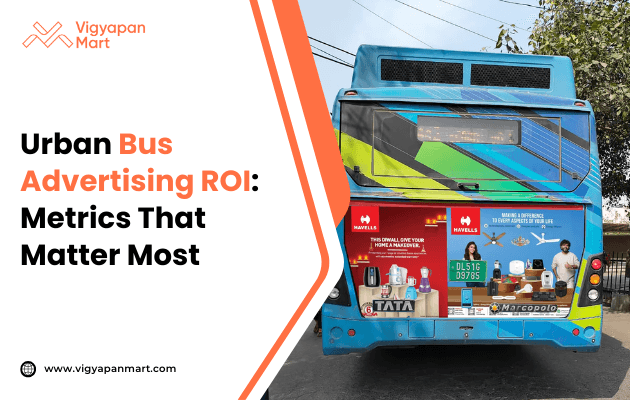
Why Bus Ads Drive Urban ROI?
In busy Indian cities like Mumbai, Delhi, and Pune, bus advertising is a smart way to reach lakhs of people every day. Buses move through traffic, markets, and residential areas, giving your brand high visibility at low cost. But is it really worth the money? Yes, if you track the right ROI metrics. Many brands waste budget on vague "impressions," but smart ones focus on real results like sales and engagement. This post breaks down the top five metrics that matter most for urban bus ads in 2026.
Metric 1: Reach and Frequency
Reach means how many unique people see your ad, while frequency is how often they see it. Buses cover long routes daily, so a single wrap can hit thousands in high-traffic spots.
To measure, use GPS trackers on buses or add QR codes for scans. Aim for good reach in target areas like office zones or malls, and repeat views of 3-5 times per person. For example, a Pune shop owner tracked bus ads reaching 40,000 commuters weekly, with frequency building recall. This basic metric sets the base for ROI.
Metric 2: Engagement Rate
Don't stop at views, you should track how people interact. Engagement rate is scans, shares, or website visits per thousand impressions. Modern bus ads with QR codes or AR filters make this easy.
Measure with unique links or app downloads. A good rate is 2-5%, much higher than static hoardings.
In Indian cities, linking bus ads to Instagram or WhatsApp boosts shares among youth. One Delhi campaign saw fans scanning codes to enter contests, turning passive viewers into active fans. High engagement shows your ad grabs attention and drives action.
Metric 3: Conversion Tracking
The real test is conversions: sales, leads, or store visits from the ad. Use promo codes, unique URLs, or geo-fencing apps to link bus exposure to buys.
In urban areas, bus advertising agencies use buses near markets to lift footfall by double digits. Track online engagement and sales too.
Metric 4: Cost Per Acquisition (CPA) and Efficiency
CPA is the total cost divided by conversions. This is the key to budget control. Bus ads often beat digital CPA because they target locals cheaply. Add up design, printing, bus fees, and tracking tools. Target under Rs 400 per customer in India. Compared to Facebook ads for fairness. Brands find buses efficient for retail, with lower CPA in traffic jams where people have time to notice. Track this to cut waste and scale winners.
Metric 5: Brand Lift and Long-Term Recall
Measure awareness, liking, or recall before and after via quick surveys or social listening. Bus ads build trust over time in daily commutes. Tools like Google Surveys or AI sentiment check show 10-20% lifts. It's vital for repeat business. In hybrid DOOH setups, track how bus views lead to searches later. This metric captures soft ROI that fuels loyalty.
Conclusion
Master these five metrics, reach, engagement, conversions, CPA, and brand lift, to unlock urban bus ad ROI. Start small: Pick a route, add trackers and codes, then analyse data weekly. Use free tools like Google Analytics for links. In 2026, with programmatic DOOH rising in India, these will be standard. Test in your city, tweak based on results, and watch returns grow. Want some professional assistance? Connect with Vigyapan Mart today.
Subscribe to our newsletter
Get updates instantly! Join our community for the latest marketing insights.