
Don’t Treat Panels Like Islands, Build a Citywide Brand Narrative for Story Strategic Ads
A single billboard gets only a few seconds to explain your product, build trust and drive action. Multi-billboard advertising solves this by splitting your message into chapters across the city, so every commute becomes a step in one brand story.
Published October 31, 2026 · Updated November 2, 2026
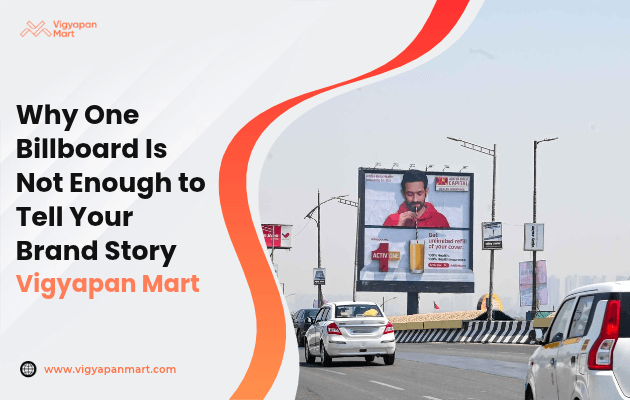
All brands use billboard advertising to put their best services in front of the public. They put up a billboard strategically and estimate the results.
But what they often miss is that a billboard advertisement has its limits. You need to follow the fundamentals of design - conscious words and meaningful visuals.
But imagine this:
You are driving through a city and spot a billboard promoting the latest Diwali furniture collection. After a few hundred meters, you find another billboard telling you how Diwali can become more than just a light festival for your home this year. Then again, you spot a billboard offering you the biggest sale of the year this Diwali.
What is a multi-billboard advertising campaign?
Quick Answer: A multi-billboard campaign uses several billboards to communicate different parts of a single brand story or campaign message. Instead of repeating one ad everywhere, each billboard adds something new, such as curiosity, a benefit or a final offer, along the routes your audience travels daily.
Instead of one, this strategy used 3 billboards to tell the complete story.
3 Billboards, 1 Brand Story.
Why Should Brands Think Beyond Individual Billboard Locations?
A billboard usually only gets a few seconds to share its messages. Results? A lot of people just see it but don't understand the message. This leads to missing leads, potential sales, and revenue.
You only have a few words, and you need to:
- Explain a complicated product.
- Introduce a new service.
- Build an emotional connection.
All through one advertisement.
Multiple billboards under 1 story solve this challenge. They distribute the message across different billboards and their locations.
For example:
A real estate brand can launch a new residential project through 3 billboards:
- Billboard 1: "Your Dream Home Is Closer Than You Think."
- Billboard 2: "More Space. Better Living. A Better Address."
- Billboard 3: "Discover [Project Name]. Book Your Visit Today."
Each billboard tells something different, but together they tell a complete story.
But this isn’t only about words. Three separate billboards allow you to utilise the audience movement. People travelling along the same route can encounter different parts of the campaign during their daily commute.
Connected campaigns create more opportunities, guide viewers to the store, increase ad recall, and also filter out the right potential consumers.
Source Url: (OAAA-Solomon Partners analysis)
5 Ways to Build a Connected Story Across Multiple Billboards:
1. Divide the Campaign into Different Story Chapters
Multiple billboards and one story. The concept is relatively new and needs a different approach. The first step is to stop thinking about how billboards used to work. Instead, you need to look for stories that may form an emotional connection. It can use humour, excitement, FOMO, family feeling, etc.
Then divide the stories into 3 stages:
- Introduction: Create curiosity and introduce a problem.
- Development: Present the brand's solution or highlight its benefits.
- Conclusion: Reveal the product, share an offer or encourage action.
The number of billboards can change, though. You can use the power of creating SUSPENSE to reveal the launch, discounts, services, and products in the last chapter of the story.
For Example:
A new automobile brand can start with
- Billboard- 01: "The Road Is About to Change"
- Billboard- 02: "Meet the Future of Comfortable Driving"
- Billboard- 03: Finally reveal its new car.
This gives audiences a reason to pay attention when they encounter the next billboard.
2. Create a Consistent Visual Identity
The next thing brands must take care of is the campaign. Every billboard will have a different message, but the core message must be the same.
How to do that? Be consistent with the:
- Colours
- Typography
- Brand elements
- Imagery
- Design patterns across all locations.
For example:
If the first billboard uses a distinctive red background and a specific graphic element, the next billboard should retain those visual cues.
But consistency doesn’t mean that you would use the same design everywhere. Change it, explore different layouts and images, but keep the overall identity recognisable.
The goal is simple: make every billboard feel like a part of the same story.
DOOH Ads: (Digital Out-of-Home)
DOOH advrtising uses digital screens in public spaces to display brand messages, images, videos and promotional content.
3. Plan Billboard Locations Around Audience Movement
The billboard still plays a big role in multiple billboard ad campaigns. But now, you don’t only need to find the best spot for visibility. But also the movement and relevance to your audiences.
Story-based billboard advertisements use the commute movement across the city.
For example:
A food delivery brand can target office professionals and place its billboards along:
- Major residential roads: where people start their day.
- Office routes: where people travel during working hours.
- Commercial areas: where people spend their lunch breaks.
Location planning helps you deliver the best relevant messages at the right moments.
4. Use Different Messages to Build Curiosity
Placing the same billboard across 10 different locations will surely increase visibility. But it may become repetitive, and people may get tired of looking at it. One billboard in multiple places doesn’t give them a reason to engage.
Instead, use different messages that continue the story and keep it interesting.
For Example:
A skincare brand can launch a new product, and its billboard sequence could look like this
| Location | Billboard Message |
|---|---|
| Residential Area | "Tired of Dull, Tired Skin?" |
| Shopping District | "Meet Your New Skincare Essential." |
| Near Retail Stores | "Your Glow Starts Here. Try [Brand Name]." |
Each message adds something new to the campaign. You can use questions, statistics, humour, pop-culture references, or emotional messaging to make the billboards more engaging.
5. Connect Multiple OOH Advertising Formats:
Lastly, the multiple outdoor advertisement strategy is not limited to one format only. Brands can use different OOH advertisement formats, leading viewers to the main OOH advertisement.
Brands can use unipole ads, DOOH ads, street furniture ads, and many more.
For Example:
A smartphone brand can use traditional billboards to build curiosity. Next, the digital billboards can reveal the product features, countdowns, and launch day offers.
With DOOH ads, brands can enjoy more flexibility with creatives, messages, and time- and weather-optimised messages.
Outdoor Advertising:
Outdoor advertising promotes brands, products and services through media placed in public spaces, such as billboards, bus shelters, transit vehicles, street furniture and digital screens.
What Should Brands Avoid When Planning Multi-Billboard Campaigns?
A connected campaign is not just about creative ideas. The risks change too.
Now, you don't only have billboard ads to design, develop, and execute. It's a complete ecosystem, based on chapter-wise billboard advertisements.
One execution miss and the entire story can feel off and confusing.
According to the advertising experts from Vigyapan Mart, these are the 5 common mistakes brands should be aware of:
1. Unclear Messaging:
Share 1 clear idea in each billboard. Avoid long, complicated messages.
2. Inconsistent Branding:
Maintain clear, consistent branding cues in all billboards, ensuring clear recognition from the user's end.
3. Poor Location Selection:
Understand the audience movement first, then select the most rewarding locations and break your story into an intended sequence.
4. Over Repetition:
Don't repeat identical messages. Better: create a storyboard and then move with the story to create the impact.
5. Missing Call to Action:
Your final Billboard should tell the audience what to do next. A clear CTA means your audience can engage with your website, app, or visit your nearby store.
Note:
Always measure your campaign as a whole, not as individual billboards. Evaluate overall reach, frequency, audience movement, brand recall and customer response.
How Can Vigyapan Mart Help Brands Build Connected Billboard Campaigns?
Building a story across multiple billboards requires creative thinking, strategic location selection and consistent execution.
As a 360-degree marketing, branding, and OOH advertising agency, Vigyapan Mart helps brands plan outdoor campaigns that connect different advertising locations through a common message and visual identity.
Our experts help you identify the best suitable billboard locations, plan campaigns, design creatives, manage on-ground execution, and measure the results based on scientific data and analysis.
Conclusion:
Billboard campaigns are not just for making your brand visible. It's actually about giving the audience something to remember and take the required actions.
A multiple-billboard strategy connects multiple locations to a well-planned story and follows the everyday commuting routes to target the right audiences.
Plus, multiple billboards give extra opportunities to build communication and emotional buildup.
How to approach the multi-billboard advertisement then?
Don't treat them as separate ads. Instead, think of each one as a chapter. Build curiosity around it and expose the secret in the last billboard ad.
Searching for advertising experts to explain, guide and plan a customized advertising campaign for your business? Connect with Vigyapan Mart today.
Frequently Asked Questions
Subscribe to our newsletter
Get updates instantly! Join our community for the latest marketing insights.