
Multisensory Demonstrations: Activate All Senses for Brand Recall
Multisensory demonstrations engage sight, sound, touch, smell, and taste to create memorable brand experiences. Activating multiple senses boosts brand recall, emotional connections, loyalty, and engagement, making products more memorable across physical and digital touchpoints.
Published October 14, 2025 · Updated April 13, 2026
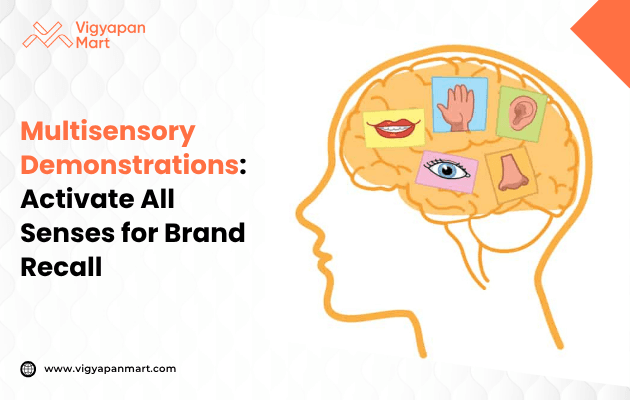
In today’s crowded marketplace, just showing your product isn’t enough. Brands need to do more to stick in people’s memories. One powerful way is through multisensory demonstrations. These are experiences that activate more than one of our senses such as sight, sound, touch, smell, and taste to create a strong and lasting impression. This blog explores why multisensory demonstrations work and how brands use them to boost their recall.
What Is Multisensory Marketing?
Multisensory marketing means creating experiences that engage multiple senses at once. Instead of only relying on sight or sound, brands add layers of touch, smell, and even taste to connect deeply with people. When more senses are involved, the brain stores memories stronger and longer. These memories then help customers remember the brand better and create emotional bonds.
Why Activate All Senses?
Humans naturally remember things better when multiple senses work together. For example, the smell of fresh popcorn at a movie theater triggers happy memories instantly, beyond just seeing a sign or hearing ads. When brands use this idea, their message becomes more than a one-time notice—it turns into a memorable moment. Activating senses also creates emotional connections, making customers feel involved and more likely to buy or stay loyal.
Powerful Examples of Multisensory Demonstrations
Here are some real-world examples where brands have successfully used multisensory marketing:
- Apple Stores: Apple isn’t just about clean, modern designs. Their stores invite customers to touch and try out products, which makes the experience tactile and personal. The look, feel, and even the sound of their devices together create a premium brand image customers remember.
- Glossier’s ASMR Pop-Up: Glossier used sound (satisfying ASMR), touch (hand massages), sight, and scent in a pop-up shop dedicated to their perfume "Glossier You." This immersive event helped customers build emotional ties with the brand far beyond just seeing or smelling the product.
- Mastercard’s Brand Taste: Mastercard created a unique brand memory by launching custard apple and Japanese yuzu flavored macarons shaped like their logo. Customers connected taste and scent with the Mastercard brand—without even visiting a bank.
- Disney World Theme Parks: Disney is famous for full sensory immersion. From the smell of freshly popped popcorn, colorful visuals of beloved characters, to the soundtracks in the background, every sense helps create unforgettable joyful experiences.
- Starbucks’ Aroma: The strong, familiar coffee smell in Starbucks stores triggers comfort and craving. This scent helps customers instantly recognize and remember the brand, encouraging repeat visits.
How to Use Multisensory Demos for Your Brand?
You don’t need a massive budget to add sensory layers to your marketing. Here are simple ways to start:
- Sight and Sound: Use colors, videos, and music that fit your brand style. For example, motivational music in a sports brand store or calm sounds for wellness brands.
- Touch: Let people feel your product if possible. Rough textures, smooth finishes, or even packaging quality can affect how customers feel about your brand.
- Smell: Use scents connected to your brand. Food brands can use food aromas, while others can create custom scents that fit their vibe.
- Taste: Offer samples or related edible products when it fits your brand, like flavored treats or drinks during demos or events.
Why Does It Work: Science?
Memory researchers show that the brain stores sensory information much stronger when several senses are linked together. Around 75% of emotions relate to smell alone, proving why scent marketing is so powerful. Also, interactive experiences keep people engaged longer, leading to greater brand recall.
Conclusion
Multisensory demonstrations help people remember brands much better by activating sight, sound, touch, smell, and sometimes taste. Studies show brands using these experiences can boost brand recall by up to 70%. Simple things like colors, smells, and textures make memories stronger and create emotional bonds. If planning a campaign, think about how every sense can play a part. At Vigyapan Mart, our team loves helping brands build full sensory experiences that feel fun, memorable, and unique to each audience. Reach out to our team and we’ll show you creative ways to blend all senses and make your brand stand out in every moment your audience encounters.
Subscribe to our newsletter
Get updates instantly! Join our community for the latest marketing insights.