
Branding through Rural OOH Campaigns That Speak Rural Languages
Rural OOH campaigns in local languages strengthen brand trust by connecting with culture and community. Using simple words, local faces, and relatable visuals, brands create impactful advertising that resonates with rural audiences and builds long-term loyalty.
Published April 29, 2025 · Updated April 13, 2026
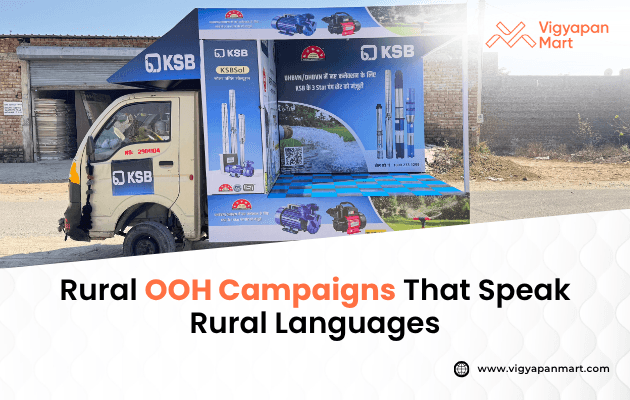
In today’s world, reaching people in rural areas is not just about showing big ads everywhere. It’s about making ads that really connect with the local people. This is where rural Out-Of-Home (OOH) advertising plays a big role. OOH means those ads we see outside like billboards, banners, or signs at bus stops. If these ads use local languages and fit the local culture, people in villages and small towns understand and trust the message better.
Why Rural OOH Advertising Matters?
Rural areas have become very important markets for brands. Many families live in villages and small towns where they buy products and services every day. But these places have their own way of life, languages, and traditions. Simply taking a city ad and putting it in a rural place doesn’t work. Rural OOH campaigns must speak the local languages and use the right words and pictures that farmers or village folks connect with easily.
Challenges in Rural OOH Campaigns
Rural advertising is not always easy. Some challenges include:
- Infrastructure problems: Roads and transportation in villages might not be good enough to put big billboards everywhere.
- Lower access to technology: Less internet and smartphones mean brands can’t just send app ads; they need real-life, visible signs.
- Many languages: India alone has more than 700 local languages, and many villagers speak only their native tongues.
- Cultural differences: What works in one village might not work in another because people live differently and celebrate various festivals.
Why Language and Local Culture Matter?
People in rural areas prefer ads in their own language. When a brand uses local words, it shows respect to the community. It also helps people understand the message fully. For example, a shampoo ad in Hindi might not connect with farmers in a South Indian village who speak Telugu or Kannada. But a campaign in their local language, using simple phrases and familiar faces, can get their attention.
Also, rural consumers have different buying habits from city folks. They like to see how a product works before buying, especially for new things like shampoo or fertilizers. Ads should clearly show the benefits and how to use the products, using language and pictures that local people relate to.
Effective Strategies for Rural OOH Campaigns
Here are some tips to make rural OOH advertising work better:
- Use local languages and scripts: This helps ads to be easily read and trusted by locals.
- Place ads in busy local spots: Put billboards near markets, bus stops, or community centers where many people gather.
- Tell stories with local faces: Show village farmers or locals using the brand to inspire trust and relatability.
- Make ads simple and clear: Short sentences, easy words, and strong visuals help villagers understand the message quickly.
- Involve the community: Use local leaders or influencers to spread the word. Having a local ambassador speaking the local language creates credibility.
- Mix tradition with technology: Recently, digital screens in some small towns show interactive content, combining OOH ads with mobile usage.
Examples of Successful Rural OOH Campaigns
- In India, HUL launched illuminated wall ads in small rural towns where electricity was limited. These ads attracted attention effectively because they were bright and used local themes.
- Tata Tea’s “Jaago Re” campaign used murals and bus shelter ads in small towns to promote social awareness while speaking local languages.
What Brands Often Get Wrong?
Many brands make mistakes like:
- Just making urban ads cheaper and showing them in rural areas.
- Translating the same advertisements word-for-word without understanding rural culture.
- Using fancy words that villagers don’t use or understand.
- Believing quick giveaways or small freebies will build a brand in the long run, which they don’t.
Opportunities Ahead
Rural areas are growing fast. More villagers now use mobile phones and get internet access. This means OOH ads will soon work together with mobile apps and social media in local languages. Also, rural markets want brands that understand their values and speak in their words. Ads that respect local culture, language, and lifestyle will build trust and loyalty.
Conclusion
Rural OOH campaigns that speak rural languages are more than just ads; they are a way to connect, respect, and build lasting relationships with local communities. They need to be simple, localized, and placed in the right spots to grab attention. Brands that listen, involve, and speak the language of rural people will win hearts and markets. Want to explore the rural marketing language and excel in a successful rural OOH ad campaign? Connect with Vigyapan Mart experts today.
Subscribe to our newsletter
Get updates instantly! Join our community for the latest marketing insights.