
Street Furniture Sponsorships: Building Goodwill through Public Service
Street furniture sponsorships turn benches, shelters, and bins into tools for community growth. They fund public spaces, spread positive messages, and build goodwill while giving businesses stronger visibility, trust, and reputation as caring community partners.
Published August 8, 2025 · Updated April 13, 2026
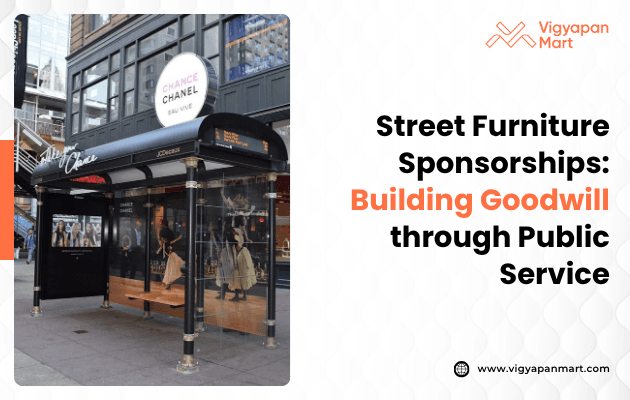
Walk down any busy city street, and you’ll spot more than just cars and buildings. Benches, bus shelters, bike racks, and trash bins; these are all part of street furniture. While they seem like simple conveniences, these everyday objects can be powerful tools for community building. Today, more businesses and organizations are using street furniture sponsorships to give back to the community, build goodwill, and promote public service. In this blog, we’ll explore how this works and why it matters.
What Is Street Furniture Sponsorship?
Street furniture sponsorship means that a business or organization sponsors everyday public-use items like benches, shelters, or playground equipment. In return, they may get their logo or a message placed on the item.
These sponsorships serve two important purposes:
- They help local governments and city councils fund public amenities without using tax money.
- They give businesses a chance to be seen as supportive and caring members of the community.
Benefits for Communities
1. Better Public Spaces
Sponsored street furniture leads to more comfortable, cleaner, and safer streets. Extra benches mean tired people have a place to rest. More bins help control litter. Shade from sponsored bus shelters protects commuters during hot or rainy weather.
2. Funding Without Taxes
When a business sponsors a bench or playground, the city saves money. This leaves more funds for other important projects. It also helps cities install new features faster than if they had to rely only on public funding.
3. Promoting the Public Good
Sponsored items often include helpful messages. For example, a company might use their space to promote recycling or public safety tips. This creates a stronger sense of shared responsibility in the community.
How Do Sponsoring Businesses Benefit?
1. Building Goodwill
By supporting public spaces, companies show they care about the community’s quality of life. This builds trust and respect among local people.
“Donating clothing and household items... helps people, our community and the planet. The Donate Movement clearly bridges Goodwill’s mission, vision and values with environmental sustainability”.
2. Brand Recognition
A logo on a park bench, a plaque on a playground, or a message in a bus shelter keeps a business’s name visible every day. Unlike ads that people might ignore, these signs are part of the local landscape.
3. Positive Public Relations
Supporting the community improves a company’s image. People are more likely to trust and support brands that invest in their neighborhoods.
Examples and Facts
- In many cities, public transit shelters and benches are funded almost entirely through sponsorships. This has made cities cleaner, safer, and more welcoming.
- Social enterprises like Goodwill show how sponsorships and donations can be used to drive environmental goals. For example, by accepting furniture and household goods, they help reduce landfill waste and support training programs for people in need.
- According to major charities and social enterprises, much of their income comes from donations and sponsorships, which are then used to fund services like job placement and community support programs.
- Up to 25% of a charity’s funding can come from individual and corporate sponsorships, making these partnerships crucial for community well-being.
What Items Are Typically Sponsored?
Items include:
- Benches
- Bus and transit shelters
- Street lights
- Bins and recycling centers
- Bike racks
- Playgrounds and community gardens
Each of these makes city life easier for everyone, from students to seniors, and from busy parents to tired travelers.
Making a Difference: The Social Good
Sponsorships are more than just marketing. They align with a broader trend: more businesses today want to be seen as responsible social enterprises. This means focusing not just on profits, but also on human and environmental well-being.
“Social enterprises aim to improve human and environmental well-being rather than make a profit for owners. Generally, social enterprises have a clear social and/or environmental mission”.
Programs funded by these sponsorships create real change. This might mean a safer waiting area near a bus stop, a green space for families, or job training for local youth.
Conclusion
Street furniture advertising sponsorships transform everyday public amenities into community assets, allowing sponsors to support the city while earning trust and daily brand exposure. By investing in benches, shelters, or eco-friendly bins, businesses demonstrate genuine care for local well-being, elevating their reputation far beyond traditional ads. Interested in building goodwill and visibility through impactful public service partnerships? Connect with Vigyapan Mart experts to explore how sponsorships can benefit both the community and your brand.
Subscribe to our newsletter
Get updates instantly! Join our community for the latest marketing insights.