
Sustainability in Rural OOH Advertising
Sustainable rural OOH advertising uses eco friendly materials, solar power, and local creativity to reduce waste and pollution. Brands adopting green methods not only protect the environment but also build trust, community pride, and long term cost savings.
Published April 24, 2025 · Updated April 13, 2026
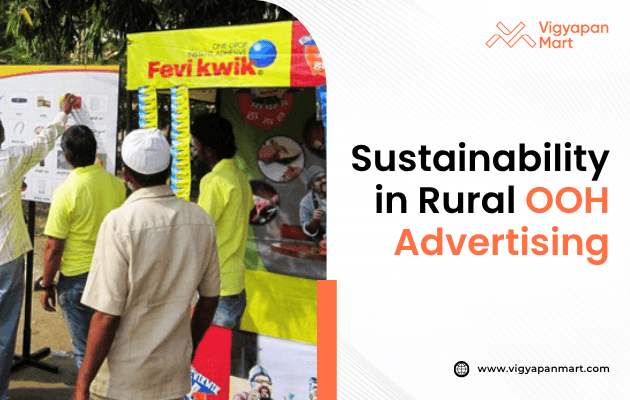
Out-of-home (OOH) advertising means putting ads outside, such as on billboards, bus stops, and village walls. In rural areas, this kind of advertising can help brands talk to people where they live. But it is important that these ads are made and shown in ways that help protect the environment and improve local life.
What is Sustainable Rural OOH Advertising?
Sustainable OOH advertising means creating ads using materials and methods that are good for the planet and the people living there. It tries not to harm nature, waste energy, or leave lots of trash behind. This is needed especially in villages and small towns, where resources are precious and pollution can hurt nature and people.
Why Does Sustainability Matter in Rural OOH?
- Protects local water, air, and soil: Using safe and natural materials helps stop pollution.
- Saves energy: Solar lights on billboards can work even where power cuts are common, so less energy is wasted.
- Brings people together: Using local materials and artists makes villagers feel proud and involved in advertising. It supports their jobs.
- Builds trust: People today like brands that care about the planet. Showing this in rural ads helps win their hearts.
Eco-Friendly Materials and Ideas
OOH ads in rural India can use:
- Solar panels: Solar power can light up signs at night without needing wires or fuel. Varanasi has a bus shelter like this made from recycled stuff, which charges phones and lights up with energy from the sun.
- Natural and local materials: Advertisers can use bamboo, jute, or even village wall art for ads. Local artists can paint or create signs using paints that are safe for the earth.
- Biodegradable products: Paper, cardboard, and safe inks break down naturally. They do not stay as trash forever.
- Digital and dynamic displays: Digital screens are now used in some small towns. These can show many ads without printing more signs, so there is less waste.
Smart Designs and Green Campaigns
Some brands have led the way with smart, green ideas in rural OOH:
- Britannia’s “Nature Shapes Britannia” let trees stay standing by shaping billboards around them, not cutting them down.
- Tata Tea used wall paintings and murals in rural villages to share messages that matter.
- HUL made “Glow and Lovely” wall wraps light up in places where electricity is not always there using special paints and local skills.
How to Make OOH More Sustainable?
Here are some steps that advertisers and brands should follow:
- Plan for the environment: Choose spots for ads that do not harm trees, animals, or water sources.
- Use green materials: Pick things that can be safely recycled or that come from nature.
- Pick smart lighting: Use solar or low-energy LEDs. Turn off lights when not needed.
- Work with locals: Ask local artists to help. This saves money and celebrates village culture.
- Update ads without waste: Digital billboards can show new ads without making waste each time.
Benefits Beyond the Planet
- Community Pride: When people help make the ads, they feel proud and respected.
- Better Brand Image: Companies using sustainable ads build trust with rural customers.
- Cost Savings: Solar-powered lights and local materials can be cheaper in the long run.
- Education: Ads can share eco-friendly messages with villagers, teaching them about caring for nature, too.
Challenges to Overcome
- Limited materials: Some villages might not have easy access to green materials.
- Logistics: Putting up eco-friendly billboards or solar lights in very remote areas can be tricky and costly.
- Need for local skills: Sometimes, local artists or builders need training on using new, eco-friendly materials.
Conclusion
Rural OOH advertising in India and other countries is growing. As more villages get better roads and internet, these ads will reach even more people but must continue getting greener. Future OOH ads might mix with phones and social media for bigger, smarter campaigns. More rules may come that push companies to use only eco-friendly ways. Want to explore sustainability in your next Rural OOH Advertising campaign? Connect with Vigyapan Mart today!
Subscribe to our newsletter
Get updates instantly! Join our community for the latest marketing insights.