
Sustainability Trends: Solar-Powered and Green Street Furniture
Solar powered and green street furniture is reshaping urban living with eco friendly designs, renewable energy, and smart technology. From benches with solar panels to Wi Fi bus stops, these innovations are building sustainable, modern, and smarter public spaces.
Published July 19, 2025 · Updated April 13, 2026
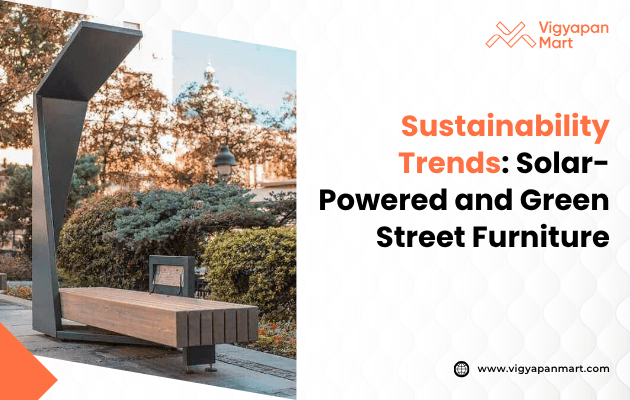
Cities everywhere are changing. As more people move to urban areas, we need to find smart ways to keep our city spaces clean, safe, and sustainable. One trend that stands out in recent years is the rise of solar-powered and green street furniture. These are benches, tables, lights, and other items found in public spaces that use renewable energy or eco-friendly materials. Let’s explore how these innovations are making our streets greener and what the future could look like.
What is Green Street Furniture?
Green street furniture refers to public furniture made with the environment in mind. It might use recycled materials or be designed to save energy. Some examples you see every day include:
- Benches, bus stops, and litter bins made with recycled plastics or metals
- Solar-powered street lights and benches
- Bike racks and smart charging stations that run on clean energy
By using renewable energy and less harmful materials, these items help lower pollution and make cities more pleasant places to live.
The Rise of Solar-Powered Street Furniture
Solar-powered street furniture is leading the way in making public spaces smarter and more energy efficient. Solar panels are placed on benches, tables, lights, and even trash cans. These panels capture sunlight and turn it into electricity to power LED lighting, USB charging stations, Wi-Fi hotspots, and more.
Key facts
- The worldwide market for outdoor solar furniture was valued at $154.74 million in 2023 and is expected to reach $564.71 million by 2032, growing at over 15% each year.
- More parks, bus stops, and city plazas now have benches that let people charge their phones or laptops using solar energy.
- Solar-powered bus shelters and tables provide lighting at night without using the city’s electricity.
Why Are Cities Making the Change?
There are several reasons why cities and communities are moving towards solar-powered and green street furniture:
- Lower Carbon Footprint: Using solar power and recycled materials reduces pollution and helps fight climate change.
- Cost Savings: Solar street furniture uses free sunlight to generate energy, saving money on electricity bills in the long run. Durable, weather-resistant materials mean less maintenance and fewer replacements.
- Better Public Spaces: Features like phone charging, night lighting, and free Wi-Fi make public areas safer and more comfortable, encouraging people to spend time outside.
- No Need for Cables: Solar-powered furniture can work in remote places where it’s hard or expensive to install electrical cables. This is useful in parks, beaches, and rural areas.
- Support for Smart Cities: Many cities want to be ‘smart, using technology to improve life for everyone. Solar furniture often comes with sensors to track use and keep maintenance easy. Waste bins can even send messages when they are full.
Innovative Examples from Around the World
All over the globe, cities are trying new ideas to make public furniture smarter and more eco-friendly:
- Benches with Solar Panels: These are found in many parks and let people charge their devices or access Wi-Fi while they rest.
- Solar Trash Bins: Some bins now use solar power to compact waste, storing more rubbish before they need to be emptied.
- Interactive Bus Shelters: Bus stops using solar panels for lighting and digital displays, and even sensors to track buses and share information.
- Platio panels: A cool innovation that allows solar panels to be built into pathways and benches, helping cities generate even more clean power right where people walk or sit.
Environmental and Community Benefits
Green and solar-powered street furniture doesn’t just help the environment. It brings other benefits too:
- Cleaner Air: Less reliance on coal or gas power stations helps reduce air pollution in cities.
- Education: Eco-friendly designs spark conversations and teach people about the importance of sustainability. Some bus shelters even have signs explaining how they help the planet.
- Stronger Communities: People spend more time outdoors and feel safer and happier in well-lit, clean public places.
The Future: Smarter and Greener Streets
With solar technology becoming cheaper and more efficient, expect to see even more creative examples in the next few years. Cities will likely add more smart features, such as:
- Weather-resistant charging stations
- Modular benches that can be upgraded with new technology
- Furniture that monitors air quality or tracks how many people use it
As cities work to meet environmental goals, installing green and solar-powered street furniture is an important step to make urban areas healthier, smarter, and more enjoyable for everyone.
Conclusion
Sustainability is now at the heart of urban design. By using solar-powered and green street furniture, cities can improve quality of life, protect the environment, and save money. These small changes are helping build a cleaner, smarter, and brighter future for us all. What does that mean for your street furniture advertising campaign? The old messy days of pollution are behind us now. The world is moving towards sustainability and digital technologies. Your brand must acquire the art of sustainable street furniture advertising to stay in the market with pride. Want to explore more about this in person? Connect with us and book a free consultation session with a Vigyapan Mart expert today.
Subscribe to our newsletter
Get updates instantly! Join our community for the latest marketing insights.