
Eco-Friendly Street Furniture Ads: Sustainability as a Brand Value
Eco friendly street furniture ads connect branding with sustainability, showcasing responsibility while boosting visibility and trust. These green advertising solutions help brands align with consumer values, promote loyalty, and lead the way toward sustainable urban futures.
Published April 13, 2026
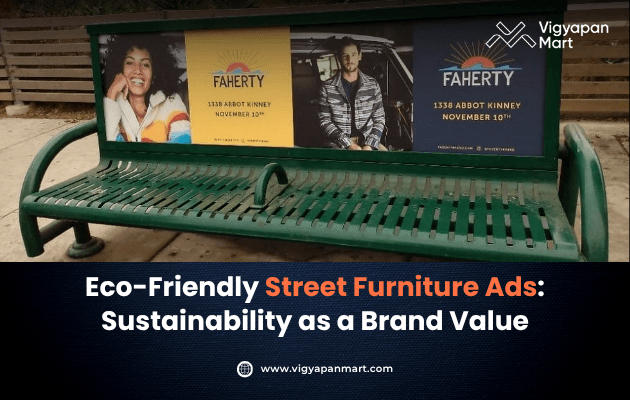
Imagine walking down your city's main road. What do you see? Billboards, benches, bus stops, almost everywhere, there’s street furniture. But today, there’s a new twist. More street furniture is being made eco-friendly. And brands are using this furniture not just for advertisements, but to show off their commitment to sustainability. This shift is more than design; it's a movement shaping how brands and people connect with our planet.
Growing Demand for Eco-Friendly Furniture
The demand for eco-friendly furniture is rising fast. Globally, the eco-friendly furniture market was valued at about USD 43 billion in 2022 and is predicted to more than double by 2030, reaching over USD 83 billion. The reasons are simple but powerful:
- People are more aware of how their choices affect the environment.
- Many want products that match their personal values.
- Consumers, especially in regions like Europe, look at what brands are doing for the planet before they decide to buy.
It’s not just homes; companies and governments are adopting green furniture for their offices, parks, and public places. The trend is clear: sustainability is no longer optional.
What Makes Street Furniture “Eco-Friendly”?
Eco-friendly street furniture means it’s made in a way that helps, not harms, nature. This involves:
- Using sustainable materials like bamboo, recycled plastics, reclaimed wood, or recycled metals.
- Employing non-toxic finishes and eco-friendly manufacturing methods.
- Designing for longevity- furniture that lasts longer and is easy to repair, not throw away.
- Incorporating circular economy ideas, such as upcycling and recycling, to reduce waste.
Eco-friendly street furniture is about both style and responsibility. Brands can now choose benches, shelters, and displays that add beauty to a city without adding to pollution.
Why Are Brands Turning to Eco-Friendly Street Furniture Ads?
More and more companies are using eco-friendly street furniture for advertising. This sends a strong message:
- They care about sustainability.
- They’re thinking about the future and the community’s health.
- They want to stand out as “green” in a crowded market.
In fact, 78% of consumers in the US believe a sustainable lifestyle is important. More than half are willing to pay extra for products and services that are eco-friendly. And a huge majority, 90% of consumers want brands to be accountable for their environmental impact. Using green furniture for advertising is one visible way to prove commitment.
Real Impact: What Brands Are Doing
Brands aren’t just talking; they’re acting.
- Companies craft street ads and furniture from recycled materials, or design them to be fully recyclable.
- Certifications like FTC-certified wooden frames and eco labels make it easier to trust these claims.
- Heavy hitters in the furniture industry, such as Williams-Sonoma with its “GreenRow” line, now put sustainable furniture at the center of their brand.
This movement is not just about good PR. Sustainable product lines often grow faster in sales and create stronger loyalty among customers.
The Power of Sustainable Street Ads
Street furniture is everywhere. When brands show their ads on eco-friendly furniture, they aren’t only catching your eye, they're influencing how you feel about them. Here’s why it works so well:
- Visibility: Placed in public spaces, these ads are hard to ignore.
- Authenticity: Using eco-friendly materials shows real commitment, not just talk.
- Education: People learn more about sustainability simply by seeing and using green furniture.
According to experts, brands with strong eco-credentials often enjoy a better public reputation and more customer trust. Social media amplifies this effect, as people share positive examples of sustainable city design.
Challenges and the Road Ahead
The shift to greener street furniture isn’t problem-free. There are higher production costs and sometimes it's hard to find enough sustainable materials. But innovation is moving fast, with brands investing more in research and technology to overcome these hurdles.
As regulations become stricter and cities push for greener solutions, expect the rise of eco-friendly street furniture everywhere from local parks to global city centers.
Conclusion
Eco-friendly street furniture ads are more than a creative branding method, they’re a reflection of how businesses align themselves with the values of modern consumers. By blending advertising with sustainability, brands show that they care not only about visibility but also about responsibility toward the planet. This balance of impact and integrity builds trust, boosts reputation, and fosters long-term customer loyalty. As cities continue to evolve into greener spaces, brands that champion eco-friendly street furniture will stand out as leaders of change. If you want to explore how sustainable outdoor advertising can amplify your brand’s value while staying true to eco-conscious ideals, book a consultation with Vigyapan Mart and take your campaigns a step toward a greener future.
Subscribe to our newsletter
Get updates instantly! Join our community for the latest marketing insights.