
Global Trends in Street Furniture: What’s Working in Asia, Europe, and North America?
Street furniture trends vary across Asia, Europe, and North America but share common goals of sustainability, smart technology, and flexible designs. These innovations are reshaping public spaces, making cities more livable, modern, and connected for communities and businesses.
Published July 12, 2025 · Updated April 13, 2026
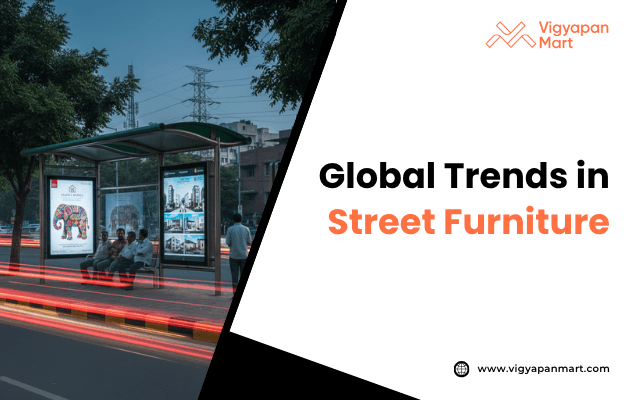
Street furniture like benches, bins, shelters, and signage makes our public spaces comfortable and useful. Around the world, cities are changing their streets to make them more enjoyable and sustainable. Let’s explore the latest trends in street furniture across Asia, Europe, and North America in simple words.
The Big Picture: Why Street Furniture Matters?
Street furniture is not just for looks. It gives people places to rest, meet, and move safely. As cities grow, their public spaces must work for everyone—kids, older people, workers, and tourists. The global street furniture market was worth about $5.6 billion in 2024, with an expected growth rate of 6.7% per year until 2034.
Three big trends are shaping this growth:
- Urbanization: More people are moving to cities.
- Smart Cities: Cities want to use technology to help people and the environment.
- Sustainability: Design must protect nature and use materials wisely.
Street Furniture Trends in Asia
Asia’s cities are growing fast. New buildings, more parks, and better roads all need modern street furniture.
Key Facts
- The urban street furniture market in Asia Pacific was worth $3.47 billion in 2024. It is expected to reach $5.06 billion by 2034.
- Major investments are coming from smart city projects in countries like China, India, and Japan.
- Local governments encourage the use of eco-friendly materials like bamboo and recycled plastic.
What’s Working
- Smart Technology: Benches and shelters now include USB charging, Wi-Fi, and real-time information screens. Some cities also use facial recognition or sensors to collect data (such as air quality and foot traffic), which helps them plan better.
- Eco-Friendly Focus: Many cities are switching to materials like bamboo and recycled plastics, which last long and keep costs low.
- Modular Designs: Furniture that snaps together or can be moved easily helps cities adapt quickly as needs change.
Examples
- India’s “Smart Cities Mission” is adding benches with solar charging stations.
- Japan’s “Future City Initiative” focuses on sleek, durable, and high-tech furniture.
- In Thailand, hotels and resorts use eco-friendly outdoor furniture to attract tourists who care about sustainability.
What’s New in Europe?
European cities often blend old charm with new technology.
Key Facts
- Europe invests heavily in renovating older infrastructure rather than building from scratch.
- Germany is leading with smart street furniture and sustainable materials.
- Styles are moving towards modern, minimalistic, and multifunctional pieces.
What’s Working
- Sustainability: Eco-friendly materials like recycled wood and plastic are very popular. Cities want furniture that lasts, is easy to clean, and comes from responsible sources.
- Style and Comfort: People want outdoor furniture to feel like an extension of their homes: comfortable, stylish, and practical.
- Tech Integration: Europe is seeing more smart bus stops with digital displays and public Wi-Fi in benches.
Examples
- Many German cities require street furniture to be weather-proof, energy-efficient, and made with recycled materials.
- France and Italy often use street furniture that fits their unique local style, keeping city centers attractive for both residents and visitors.
North America: Focus on Smart and Flexible Furniture
North American cities are known for their diversity and rapid adoption of new ideas.
Key Facts
- The market for outdoor furniture in North America was valued at $16.57 billion in 2023 and is projected to keep growing.
- The region puts a big emphasis on customizability and easy upgrades, especially as people’s preferences shift.
What’s Working
- Smart Features: North American cities are leading in furniture that uses technology. Smart benches with USB ports, Wi-Fi, and even solar panels are becoming the norm.
- Sustainable Materials: Just like in Europe, using recycled and eco-friendly materials is a must for new projects.
- Flexible Designs: Street furniture that can be arranged in different ways helps cities respond to changing needs. For example, moveable seating or quick-install bike racks.
Examples
- Toronto and Montreal are rolling out modular benches and shelters in new public parks.
- US cities are adding solar-powered trash bins and self-cleaning public toilets.
- Many cities in North America encourage furniture businesses to focus on energy-efficiency and green practices.
| Region | Market Size (2024) | Major Trends | Examples |
|---|---|---|---|
| Asia | $3.47B | Smart tech, Eco-materials | Solar benches, Sensor-equipped bins |
| Europe | — | Sustainability, Design | Recycled wood/plastic, Smart shelters |
| North America | $16.57B | Flexibility, Tech integration | Modular benches, Solar bins |
The Importance of Sustainability and Technology
Sustainability matters to people everywhere. Cities want furniture that is safe, lasts long, and is built in a way that doesn’t harm the environment. Using recycled materials, solar power, and energy-efficient lighting helps cities save money and keeps the planet healthy. Smart technology is no longer just a “nice-to-have”; it’s essential. Cities want benches, bus stops, and bins that can connect to the internet, give out information, or monitor the environment. This makes public spaces safer and more useful for everyone.
Conclusion
Street furniture around the world is changing rapidly. In Asia, the focus is on smart technology and managing rapid population growth. In Europe, it’s about blending the old with the new and using sustainable materials. In North America, cities want flexibility and are leading in tech-friendly designs. What works best everywhere is street furniture advertising that is useful for people, comfortable, eco-friendly, and ready for the future. Want to utilize the power of street furniture smart technologies in your next campaign? Connect with Vigyapan Mart today.
Subscribe to our newsletter
Get updates instantly! Join our community for the latest marketing insights.