
The ALS Ice Bucket Challenge: Lessons from a Social Media Phenomenon
The ALS Ice Bucket Challenge became a global social media phenomenon by combining shareable content, emotional storytelling, and outdoor visibility. Brands today can learn to design simple, viral, and omnichannel campaigns that build awareness and engagement.
Published April 13, 2026
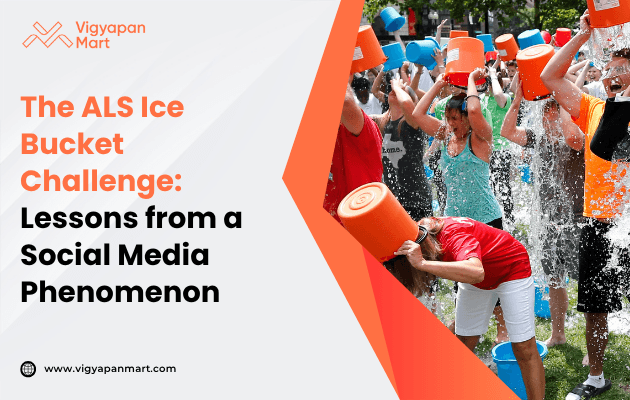
If you have been active on the internet, you may remember the world-famous ALS Ice Bucket Challenge for 2014-15 or at least seen clips from back then. It was a chain of user generated content where people would pour ice-cold water on themselves (or donate), and follow it up with a challenge for their friends. The challenge went big, bringing awareness and earning donations by the millions. There are key teaching moments in this involving branding, OOH advertising, and marketing that you can implement today. Let's go over the basics.
Why It Went Viral: Key Takeaways
- Simple, shareable formats: short video clips
- Clear calls to action: ice bucket or donation. Easy to uptake.
- Peer challenge format: you tag someone who tags someone else, so the ripple effect continues.
- Emotional storytelling: ALS stories were shared, thereby harnessing empathy.
- Hashtag and social proof: #IceBucketChallenge was a digital gathering place for millions.
- Offline visibility: the challenges were staged in public sites, usually next to streets, offices, parks, etc., thus adding a layer of physical visibility.
Out‑Of‑Home Advertising: Digital Meets Real World
So, the Ice Bucket Challenge served an example of how online campaigns could complement out-of-home advertising:
- Street impact through behavior: high-profile individuals, and even ordinary people, filmed themselves outdoors by billboards or in public squares and uploaded the footage for free promotion of the campaign.
- DIY signage: numbers would write handwritten signs such as "#IceBucketChallenge" and "Support ALS" into their videotape frames-an unscripted form of below-the-line (BTL) ads staged in real space.
- Local aggregator screens: malls and city screens amplified the buzz by airing viral compilations
Synergy between Digital and OOH Channels
| Channel | Example Activity | Marketing Benefit |
|---|---|---|
| Social media | #IceBucketChallenge videos | Awareness, peer influence |
| OOH (public filming) | Videos shot with cityscape or signs in view | Real-world visibility and authenticity |
| Hand-made signage | Written hashtags/logo in frame | Branding reinforcement |
| Mall screens / OOH displays | Sharing viral clips in public spaces | Reinforcement across digital + physical |
Branding & Marketing Lessons for You
If you are working on brand-building or campaign-launching, digitally or physically, this is what the ALS trend has taught us:
1. Design for shareability
- Keep the action simple enough to repeat and film.
- Make tagging or nominating a part of the procedure.
2. Stimulate feelings and storytelling
- Let them share why they care. Real stories see more engagement.
3. Bridge a digital and a physical channel
- Encourage filming in public places.
- Put up banners, boards, or in-shop posters displaying the visuals of the campaign.
4. Simple slogans and cues
- A hashtag such as #IceBucketChallenge or a message board for the campaign is enough.
5. Use OOH for amplification
- If you have OOH under your thumb (billboards, bus-shelters, etc.), use it to amplify the digital campaign: "Take up the challenge. Tag your friend."
6. Track and measure
- Count views, mentions, donations, and leads.
- Measure local footfall if your campaign activates in real locations.
Advice You Can Use
- Think omnichannel approach: Go beyond social,If you have a stimulus store or event space, make sure campaign materials are displayed prominently.
- Easy templates: Downloadable assets such as signage, logo overlay, slogan board, all can be printed or recreated.
- Public UGCs: Reaction mini-events with public participation followed by filming and sharing.
- More street marketing activations: Pop-Up booths can include branded ice buckets or props that can be left at malls or campuses.
- Analyse results: Track online and offline metrics (for example, how many physical installs, posters, or offline engagements, etc.).
Conclusion
The ALS Ice Bucket Challenge was not only a social media phenomenon but also a textbook example of integrated marketing that combined viral social media through peer challenge, emotional storytelling, and, interestingly enough, an outdoor advertising campaign. What this means for you is that whatever happens to be relatively low-key, can still amass some fame for it both online and physically. Visit Vigyapan Mart for consultation regarding your UGC and make your OOH advertising elevate your next branding campaign!
Subscribe to our newsletter
Get updates instantly! Join our community for the latest marketing insights.