
Using Data for Pinpointing High-Traffic Rural Hotspots for OOH Ads
This blog explains how data helps advertisers identify rural hotspots for OOH advertising. From mobility and demographic data to GIS mapping, learn strategies to place ads where they gain maximum attention, driving better visibility and campaign results.
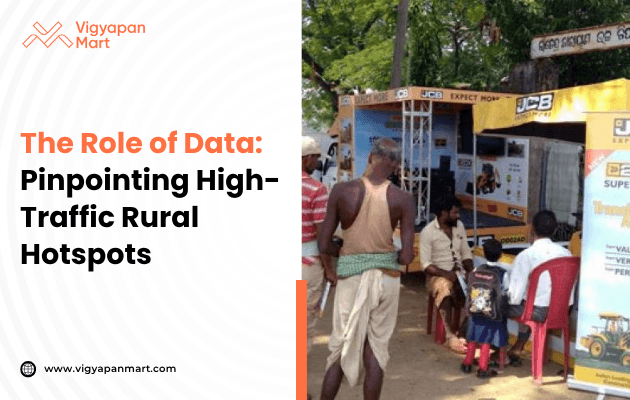
Pinpointing high-traffic rural hotspots for Out-of-Home (OOH) advertising is easier than ever with data and technology. Brands can use facts, traffic maps, and smart systems to place ads where people really notice them. This guide explains how using data transforms rural ad campaigns to be more effective, even for first-time marketers and young readers.
What is OOH Advertising?
OOH means Out-of-Home advertising. These ads are outside your home such as billboards, posters near roads, digital screens at bus stops, or walls with painted messages. Instead of popping up on phones or computers, OOH ads catch people’s attention as they travel or walk by in their daily routine.
Why Rural Hotspots Matter?
Rural regions are often ignored by advertisers, but they have huge potential. In India, about 65% of people live outside cities. Rural customers may trust brands more, talk about ads longer, and have less competition for their attention. Successful rural campaigns use simple, local messages, and creative formats such as mobile vans, wall paintings, or road banners. Finding where lots of people gather (markets, main intersections, and schools) is key.
How Data Finds the Best Spots?
Types of Data Used
- Mobility Data: Shows how many people walk, cycle, or drive near specific locations. It helps spot busy places by tracking traffic jams, school rush hours, or market days.
- Demographic Info: Tells advertisers the age, income, and habits of people in each village or town.
- Points of Interest (POI): Maps out places like shops, schools, clinics, farms, and popular landmarks. These are perfect spots for ads since people often visit them.
GIS and Location Intelligence
Geographic Information Systems (GIS) use all these data types on digital maps. They can zoom in on rural areas, showing which roads, blocks, or intersections have the most traffic. GIS makes it possible to choose the right spot for every ad, even in villages far from main highways.
Real-World Example of Data-Driven Rural Ads
A ride-share app wanted to target rural office workers. Using location data, they mapped traffic flows between homes and tech parks. By simulating real travel routines, they found the busiest roads. The data helped pick top billboard locations that grabbed the attention of thousands of passing commuters and not just a random guess.
Proven Strategies and Case Studies
- Coca-Cola’s “Chota Coke”: Used mobile vans and mapped key rural routes and marketplaces. Sales rose by 60%.
- HUL’s Project Shakti: Analysed villages with clusters of potential sales agents and mapped their door-to-door routes.
- Retail Grand Openings: Stores used mobile billboards, following paths of most local traffic, reporting up to 25% more visits over expected numbers.
These campaigns succeed by keeping messages simple and local, placing ads in areas where actual data shows the most eyeballs.
Step-by-Step: Pinpointing Hotspots
- Gather Location Data: Use mobile movement, surveys, and government traffic info to see where people go each day.
- Map Popular Places: Mark schools, weekly markets, clinics, bus stands, and temples on a map.
- Analyse Times and Patterns: Figure out when these places are busiest. Is the market crowded every Monday? Do school areas fill up in the afternoon?
- Decide Ad Formats: Choose between banners, wall paintings, mobile vans, or digital screens depending on the place and its importance.
- Run and Track Campaign: Monitor foot traffic near your ads. Smart billboards can count passing people and smartphones can show who saw the ad.
The Future- Smart, Cost-Effective Rural Ads
Technology helps brands place ads in rural spots that truly matter. Data-driven OOH advertising means less guesswork, more trust, and better results. Even small businesses can afford to join in, since rural ads are usually cheaper and reach a wide audience without heavy media saturation.
Key Facts to Remember
- Over 65% of Indians live in rural areas. Unlike the common misconception, rural markets are huge.
- Data tools like GIS and POI mapping help pinpoint prime ad spots in every village or town.
- Simple, local messages with strategic placement boost ad recall and foot traffic.
- Successful brands use traffic patterns and mobility data to plan where and when to post their ads.
By combining data, local insights, and smart campaign planning, advertisers can make all rural ads visible, relevant, and impactful for everyone passing by.
Conclusion
Smart use of data helps marketers place OOH ads in rural hotspots where people actually pay attention. By combining location intelligence, mobility patterns, and local insights, brands can boost visibility, connect with real audiences, and get more value from every ad displayed. Data-driven strategies make rural advertising both impactful and cost-effective. Want to launch a rural OOH advertising campaign utilising the best high-traffic locations? Connect with Vigyapan Mart experts.
Subscribe to our newsletter
Get updates instantly! Join our community for the latest marketing insights.