
The Shift toward Sustainable, Eco-Conscious Event Planning and Advertising
Event planning is shifting toward eco conscious practices with green venues, local sourcing, carbon tracking, and sustainable advertising. These steps reduce environmental impact while building brand trust and attracting audiences who value sustainability and responsible business practices.
Published May 24, 2025 · Updated April 13, 2026
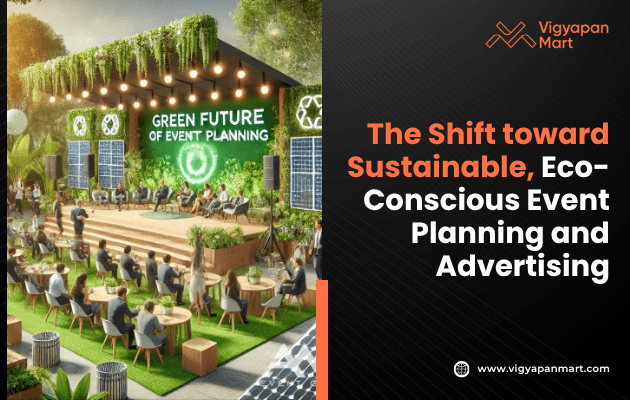
In recent times, the way events are planned and advertised is changing for the better. More event planners and companies want to protect the environment. They want to make events that are good for the planet. This is called sustainable or eco-conscious event planning.
Why Is Sustainable Event Planning Important?
Events, like concerts, conferences, or festivals, use a lot of energy and produce waste. For example, people travel long distances, venues use electricity, and many materials like paper and plastic are thrown away. This can hurt the Earth by creating pollution and wasting resources. So, planners want to do things differently in ways that are friendly to nature.
Key Trends in Sustainable Event Planning for 2025
1. Virtual and Hybrid Events
Events are not only happening in one place anymore. Many are virtual (online) or hybrid, which means some people join in person, and others join online. This reduces travel and pollution. For example, virtual events cut carbon emissions by up to 99%! Hybrid events also make it easier for more people to attend without harming the environment.
2. Tracking and Reducing Carbon Footprints
Event organizers now measure the total environmental harm their events cause, called the carbon footprint. They use tools to track emissions from travel, energy use, and waste. After measuring, they find ways to reduce and offset it, like planting trees or supporting clean energy projects. Being transparent about these efforts helps build trust with attendees.
3. Using Sustainable Materials
Events are switching from single-use plastics and papers to reusable or biodegradable items. Digital programs, eco-friendly signage, and giveaways that do not harm the environment are popular. Waste management plans help recycle and compost, reducing garbage sent to landfills.
4. Local Sourcing and Eco-Friendly Catering
Food is a big part of events, but transporting food from far away creates pollution. Planners now use local, organic ingredients and offer more plant-based meals. This supports local farmers and reduces the event’s carbon footprint. Minimizing food waste by careful portioning and donating leftovers is also common.
5. Choosing Green Venues with Smart Technology
Many venues now have green certifications that show they use sustainable practices. These venues use energy-saving lights, recycle waste, and save water. Smart technology helps control energy use during the event. Choosing these venues means the whole event is more eco-friendly.
Why Advertise Sustainably?
Advertising an event also impacts the environment. Using digital ads instead of printed flyers saves paper. Social media spreads the word without waste. Planners focus on clear messages about their environmental efforts. This attracts attendees who care about the planet and improves the event’s reputation.
The Business Benefits of Sustainable Events
Being eco-friendly is good for business too. Many attendees prefer events that care about the environment. Sustainable venues can be cheaper in the long run and reduce costs for waste disposal. Showing strong green values creates positive publicity and meets growing rules on corporate responsibility.
How to Start Making Your Events Sustainable?
You don’t have to change everything at once. Small steps matter. Begin by reducing paper use and avoiding plastics. Collaborate with suppliers and venues who share green values. Track your impact and keep improving. Every action adds up to a big difference over time.
Conclusion
The shift toward sustainable, eco-conscious event planning and advertising is reshaping the industry. It helps protect the planet while creating better experiences. Using virtual options, tracking carbon footprints, choosing green venues, and sourcing locally are all part of this exciting change. With growing awareness and simple steps, anyone can join this important movement for a cleaner, healthier Earth. Want to plan an eco-conscious event marketing for showing your brand commitment for sustainability? Connect with Vigyapan Mart event marketing experts today.
Subscribe to our newsletter
Get updates instantly! Join our community for the latest marketing insights.