
What is Anti-Branding?
Anti branding rejects polished perfection in favor of simplicity, honesty, and authenticity. By embracing flaws and real stories, brands connect with consumers seeking trust and relatability, while communities use anti-branding to challenge unethical or overly commercial practices.
Published August 21, 2025 · Updated April 13, 2026
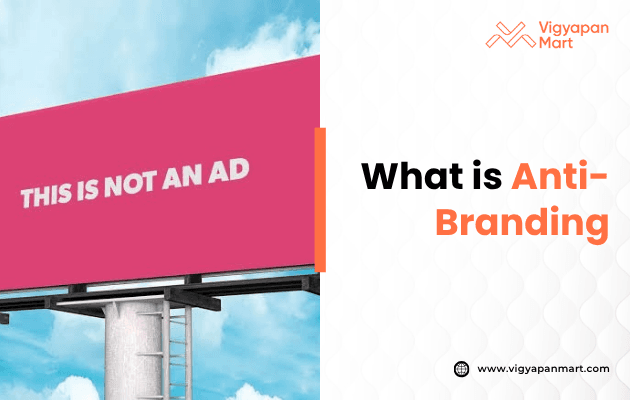
Anti-branding is when a brand purposely avoids the flashy, polished look we expect from big companies. Instead, these brands use:
- Minimalist designs: Plain packaging, simple colors, and clean fonts.
- Unfiltered visuals: Real, raw photos without heavy editing.
- Honest messages: Casual language, sometimes even showing mistakes or being funny.
- People are tired of being “sold to.” Constant ads and perfect images feel fake to many people.
- Authenticity matters more. Today’s buyers prefer brands that seem honest and real, even if that means showing their messy side.
- Social media exposes everything. Mistakes can go viral, so some brands just admit their flaws up front.
- Younger consumers want something different. Teens and young adults often trust brands that seem less commercial and more real.
What Motivates Anti-Branding Behaviors?
People join or support anti-brand movements for various reasons:
- Moral Reasons: Wanting to call out brands that act unethically or harm people.
- Health and Environmental Concerns: Educated consumers, for example, may avoid brands that damage the environment or their health.
- Support and Community: Online groups form where people support one another in boycotting or calling out certain brands.
- Workplace Issues: Some anti-branding activity comes from unhappy former employees sharing their experiences.
- Resource Sharing: Communities act as hubs for sharing facts and resources about brands’ actions.
How Are Big Brands Responding?
Big companies are starting to notice and copy some anti-branding tricks, but often in a more careful way:
- They may tone down their logos or use simpler packaging for some products.
- Some try to be more transparent about their problems or mistakes.
- Brands might launch “plain” product lines to attract anti-branding fans.
Yet, it’s important to remember:
- Strong brands can also attract more criticism online. Famous companies are often targets for anti-branding communities because more people have opinions about them.
The Impact on Consumer Behavior:
People trust brands less and trust their peers more:
- Online communities and social networks let people quickly spread the word about brands-good or bad.
- Negative word of mouth (reviews, boycotts, social posts) is now more powerful and reaches more people.
Types of Anti-Branders
Researchers have identified several types of anti-branding participants:
- Experts: Critique brands with facts and arguments.
- Symbolic Haters: Dislike brands because of social influence or trends.
- Complainers: Share personal negative experiences.
- Opportunists: Use scandals for their own attention or gain.
Conclusion
Anti-branding is when brands ditch flashy, polished looks for simple, honest, and real presentations. People today prefer brands that feel authentic and relatable, even showing flaws. Motivated by ethics, health, and community, consumers join anti-brand movements to demand honesty and change. Big brands respond by toning down their image and being more transparent. Anti-branding shifts trust from companies to peers and social communities. Despite challenges, it opens chances for brands to engage more deeply by focusing on real connections rather than just perfection, creating stronger, genuine relationships with their audience. For brands wanting to embrace authenticity while building trust, connecting with Vigyapan Mart professionals ensures the right branding approach for lasting impact.
Subscribe to our newsletter
Get updates instantly! Join our community for the latest marketing insights.