
Benefits of Transit Ads: High Recall and Low Costs 2026
Transit ads in 2026 offer brands high recall, affordable pricing, and extensive reach across India. With close viewer exposure, fixed costs, and rising public transport usage, transit advertising cuts digital fatigue while delivering strong ROI and lasting brand impact.
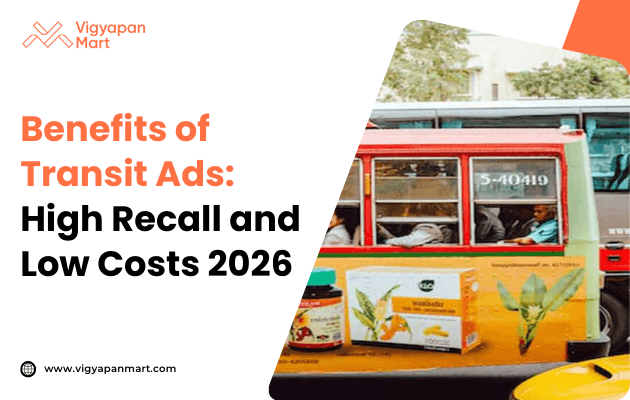
Unlike what most people assume, digital ads are getting pricier each year. According to reports, the prices of digital ads are expected to increase by 10-12% compared to last year. But more than that, common users are also now fed up with online ads and use ad blockers or just skip the ads. Results? Poor performance, higher CPC, missed goals. In such an environment, transit OOH ads are rising as a healthy, entertaining way of advertisement, giving close company to the riders and commuters. With growing metro lines in cities like Delhi, Mumbai, Kolkata, Bangalore, Ahmedabad, and buses reaching villages, these ads hit urban and rural folks alike. Now, the question is whether brands should move to transit ads in 2026? If yes, how would it impact brand recall, ROI, and viewer engagement? Everything we will answer in this blog. So let’s dive in.
What Are Transit Ads and Why 2026?
Transit ads are big visuals on moving vehicles - Imagine buses, trains, metros, and even autos carrying your brand name and reaching lakhs of eyes daily without extra spending. They attract the eyes instantly and are unmissable. But they are creating so much buzz in 2026? There are several reasons:
- Transit ads are using digital tech like QR and AR, making the whole experience seamless and entertaining.
- Electric buses are the new sign of sustainability and luxury. They are making OOH ads eco-friendly.
- Digital fatigue is real, and people now truly ignore phone ads.
- Transit ads can't be scrolled away.
- For rural marketing, village buses carry messages to far areas.
- Auto brands love them as drivers spot wraps on the road. They are simple, mobile, and trusted by locals.
Benefit 1: High Recall That Stays in Mind
Brand recall is how people remember your ad after exposure. In other words, how people remember your brand is the Brand Recall. Comparing the digital and transit, the transit ads win here big time. How? Riders sit just 2-5 metres from the ad for 20-45 minutes. This close view and time boost memory. As per the reports, transit ads get 65-70% recall, whereas online banners get only 20-30%. Why so high?There are several reasons:
- Motion catches the eye easily. People love to see moving things, especially if they carry messages and attractive visuals. This means moving ads on roads will hit the right spot.
- In 2026, there will be more women and youth on public transport. This means more people will see the ads inside a vehicle or metro and the recall will be higher. The recall may hit their families, too.
- Adding QR codes turns the recall into action, further strengthening the brand recall.
Benefit 2: Low Costs with Solid Reach
Cost is where transit ads beat others hands down. The average cost per thousand views (CPM) for transit is ₹150-250 in India. On the contrary, the average CPM of Instagram or Google ads is ₹800-1,500. One bus wrap covers 50,000-1 lakh impressions daily at a fixed price. Moreover, there is no need for everyday bidding wars. With fuel prices steady and print costs up, this saves big for brands. Furthermore, ROI is strong too for transit ads that top transit advertising agencies in India utilize. Reports show 3-4 times return for FMCG bus ads in rural routes.
Here's a quick compare:
| Metric | Transit Ads | Digital Ads |
| CPM (₹, 2026) | 200 | 1,000 |
| Daily Reach | 75,000 | 40,000 |
| Cost per Lead | ₹60 | ₹250 |
Low entry cost means small brands can play too.
Conclusion
Transit ads in 2026 deliver high recall from close, long views and low costs from fixed pricing and huge reach. Moreover, they cut through digital noise and work great for India’s growing cities as well as Tier-2 and Tier-3 cities. But there’s more than growth in the industry. Brands that launch transit ad campaigns report lower CPM, higher brand awareness, and strong connections with their users. Reasons? These ads feel fresh and personal. They save money and also get stuck in viewer’s minds. Think of buses for rural finance push or metros for auto ads. So, what to do now? If you’re thinking of launching a transit advertising campaign, connect with Vigyapan Mart advertising experts today.
Subscribe to our newsletter
Get updates instantly! Join our community for the latest marketing insights.