
Budgeting Manpower for BTL Campaigns to Get Top Results
Budgeting manpower is key to BTL campaign success. By planning roles, tracking performance, using local talent, and leveraging technology, Indian brands can optimize costs, boost engagement, and achieve top marketing results efficiently.
Published December 27, 2025 · Updated April 13, 2026
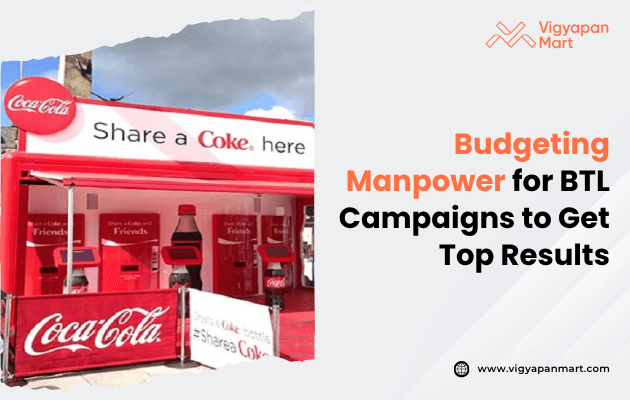
When brands in India run Below-The-Line (BTL) marketing campaigns, manpower is often the biggest cost. It is the human effort behind activations like street promotions, in-store demos, sampling drives, and events. Smart budgeting of manpower resources can make or break a campaign’s success. This blog explains how to budget manpower effectively for BTL campaigns and get the best results without wasting money or effort.
Understanding Manpower Budgeting in BTL Campaigns
Manpower budgeting is planning how many staff you need, what roles they will play, how long they will work, and how much this will cost. It includes promoters, supervisors, coordinators, and support staff. In India, manpower costs can be tricky because prices vary widely depending on city, experience level, and campaign duration. For example, promoting a new FMCG product in Mumbai can cost more in manpower than in a smaller city like Jaipur just because wages and allowances differ. So, getting the right number of people without overspending is key to budget control.
Set Clear Campaign Goals Before Budgeting
The first step is to define what the campaign wants to achieve. Is it brand awareness, lead generation, or direct sales? Each goal requires different manpower effort. For instance, a brand activation at a busy retail store in Delhi aiming for product demos needs more promoters than a lead collection drive done via surveys in smaller markets. Setting SMART goals (Specific, Measurable, Achievable, Relevant, Time-bound) helps estimate manpower needs. If a brand wants to engage 1,000 people over 5 days, it should plan staff hours and numbers accordingly for smooth execution.
Plan Roles and Responsibilities
Successful BTL campaigns divide work clearly:
- Promoters handle direct customer engagement.
- Supervisors manage quality control and daily reporting.
- Coordinators organize logistics and staffing schedules.
Each role’s time commitment and salary must be part of the budget. For example, supervisors typically cost more but their oversight helps prevent wastage like idling promoters or mismatched staff deployment. Manpower budgeting must combine these factors to avoid under or over staffing, both of which harm campaign effectiveness.
Use Data and Technology for Efficient Scheduling
One major challenge in India is tracking promoter activity in real-time, especially across multiple cities. By using technology like mobile apps or platforms that track promoter location, hours on duty, and task completion, brands can optimize manpower costs. For example, a brand running activations in 4 cities over 4 days used route tracking and status dashboards. They found promoters had significant idle time and some inflated expense claims. With this data, they cut costs by 5-10% and improved productivity by reassigning staff faster. This kind of data-driven approach prevents budget leakages, a common issue in India’s field marketing where up to 30% of budgets can be wasted without proper monitoring.
Keep Manpower Budget Flexible But Controlled
BTL campaigns often face last-minute changes such as venue shifts, weather issues, or additional brand requests. Manpower budgets should include a buffer to manage these unpredictables, but not be excessive. Smart campaign managers keep a small flexible fund for emergency manpower without letting it bloat overall costs. Regular daily reviews with teams help ensure manpower deployment matches on-ground realities.
Leverage Local Talent and Partners
In India, partnering with local agencies or freelancers for manpower can reduce costs. Local promoters know the area better, which improves engagement and reduces training time. For example, a brand launching a regional festival promotion in Jaipur saved 20% on manpower by hiring local teams familiar with the culture and crowd behavior, rather than deploying outsiders from bigger cities.
Align Manpower Budget with Campaign Timeline
Longer campaigns need different manpower budgeting than short activations. For multi-day campaigns, staff rotation becomes important to manage fatigue and maintain quality. Brands must budget for more people with shorter shifts rather than few people working long hours to keep energy and engagement high. This avoids promoter burnout and negative impact on the brand experience.
Track Performance and Adjust Budget Mid-Campaign
Using data dashboards is critical in Indian market conditions. Regularly monitor promoter performance, attendance, and customer interactions. Managers can then reallocate manpower or adjust budgets to improve efficiency. For example, if promoters at one location have fewer engagements, teams can be shifted to busier areas to maximize results while staying within budget. Regular performance tracking prevents wasted manpower costs and optimizes campaign ROI dynamically.
Focus on Training and Motivation Within Budget
Good training improves promoter effectiveness, meaning fewer staff are needed to achieve targets. Budgeting for training time and incentives (like daily performance bonuses) saves money long term by reducing errors and increasing conversions. Indian campaigns that invest in short daily training sessions and reward achievers see better manpower utilization and results compared to campaigns that simply hire people without support.
Conclusion
Budgeting manpower for BTL campaigns is about balancing cost with on-ground impact. Indian brands succeed by:
- Setting SMART campaign goals that dictate manpower needs
- Defining roles clearly and budgeting according to responsibility levels
- Using data technology to monitor and optimize promoter activity
- Building in flexibility for changes without overspending
- Partnering with local manpower providers to save cost and improve results
- Aligning manpower hiring with campaign duration and workload
- Tracking performance daily to adjust budgets dynamically
- Investing in training and motivation to boost manpower productivity
With these strategies, brands can get the most out of their BTL manpower budgets. This means tighter campaigns, better customer engagement, and ultimately top results from every rupee spent. At Vigyapan Mart, we’ve seen how the right manpower strategy can change campaign outcomes completely. We plan every detail, from promoter roles to real-time tracking to make sure every rupee works harder. If you want your next BTL campaign to run sharper and smoother, let’s plan it together.
Subscribe to our newsletter
Get updates instantly! Join our community for the latest marketing insights.