
Electromidia Digital Bus Shelter Billboards Are Keeping Women Safe!
Electromidia digital bus shelter billboards in Brazil are redefining outdoor media by enhancing women safety. Through live video calls and monitoring, they provide reassurance, prevent crime, and prove how advertising spaces can deliver social impact beyond branding.
Published August 16, 2025 · Updated April 13, 2026
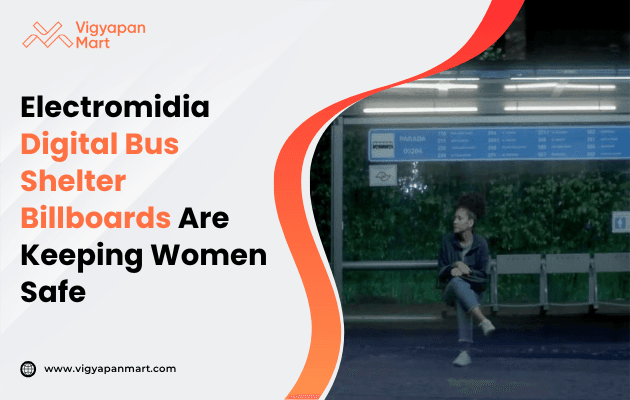
In many cities, waiting for a bus alone at night can be a scary experience, especially for women. In Brazil, the risks associated with public transport after dark are a real concern. Recent surveys reveal that 77% of women in Brazil feel unsafe at bus stops at night, and 68% are afraid to go out alone after dark. In response, Electromidia, the country's largest out-of-home (OOH) media company, found a creative way to use their digital billboards not just for ads, but to help protect women waiting at bus shelters.
Why Can Bus Stops Be Dangerous for Women?
Brazil’s largest cities often have poorly lit, deserted bus stops. Many women rely on these stops for work or study commutes, sometimes late at night. With limited police presence and rising incidents of gender-based violence, the sense of vulnerability is justified. 28.9% of Brazilian women experienced some type of gender violence in 2022. Traditionally, advertisements were the only company at these locations, offering little comfort in dangerous situations.
How the Electromidia Solution Works?
Electromidia’s answer is simple, yet powerful. They transformed their digital bus shelter billboards into real-time safety tools in the most deserted and unsafe areas.
- Sensors and Tech: The billboards use sensors, cameras, and microphones to detect when a person is alone at the stop between 8 p.m. and 5 a.m.
- Video Call Connection: If someone is alone, the screen invites them to start a live video call with a trained security professional.
- Companionship and Action: This professional provides company, reassures the person, and can call for emergency help if needed. They stay on the call until the bus arrives, ensuring the passenger isn’t alone.
- Privacy and Accessibility: During the day, these billboards switch back to regular ads, protecting the privacy of those who use the system.
Expansion and Impact
The project started as a pilot in Campinas with just 15 bus stops but quickly expanded:
- Over 100 Guarded Bus Stops are now active across São Paulo, Rio de Janeiro, and Campinas as of 2024, with plans for even more cities.
- More Than 150 Calls per Night: On average, security staff handled over 150 video calls each night in pilot locations, offering regular reassurance to women.
- 0% Incidents: Since installing the system, the targeted bus stops have reported zero incidents or problems involving women using the service. This strongly indicates a positive impact on safety.
- National Expansion: Due to its success, city governments across Brazil are now requesting similar installations at other high-risk bus stops.
Partnerships and Community Trust
Electromidia did not work alone. The effort is possible thanks to partnerships with big brands and support from local and federal government:
- Trusted Brands: Companies like Santander, Vivo, Bradesco Seguros, and Diageo helped fund and promote the initiative, but without turning the service into just another ad campaign.
- This focus on safety over sales helped the project win public trust and critical acclaim, including a Gold Lion at Cannes for its social impact.
Data and User Experience
Research and on-the-ground results underline the issue and the solution’s effectiveness:
| Factor | Data/Result |
|---|---|
| Women feeling unsafe at bus stops | 77% |
| Afraid to go out alone at night | 68% |
| Gender violence (2022) | 28.9% of women experienced it |
| Average nightly calls | Over 150 |
| Reported incidents at equipped stops | 0% |
Many women using the system report feeling reassured knowing help is “one click away” if they need it. The video call also deters potential offenders, making these stops less attractive targets for crime.
Limitations and Future Potential
While the project shows outstanding initial results, it is not a complete solution for public transit safety. Other factors like broader police presence and urban infrastructure remain important. However, Electromidia’s digital bus shelters provide a model of how private companies and public interests can work together to improve everyday safety using available technology.
Conclusion
Electromidia’s digital bus shelter billboards prove how technology and creativity can go beyond advertising to solve pressing social issues. By transforming ad spaces into real-time safety tools, these shelters give women in Brazil the reassurance of not being alone while waiting for buses at night. With features like live video calls, professional monitoring, and immediate help if needed, the initiative has already eliminated incidents in pilot areas and established stronger public trust. Backed by brand partnerships and government support, this project is setting a new global benchmark for socially responsible OOH advertising. If you’re interested in exploring how innovative street furniture campaigns can combine impact with purpose, Vigyapan Mart can help design meaningful solutions. Book a consultation to discuss how.
Subscribe to our newsletter
Get updates instantly! Join our community for the latest marketing insights.