
Gamified Advertising in College Activations
Gamified advertising transforms college activations into interactive experiences. Through quizzes, challenges, and rewards, students engage, compete, and share while building brand loyalty. These playful campaigns make marketing fun, memorable, and effective on campuses.
Published November 25, 2025 · Updated April 13, 2026
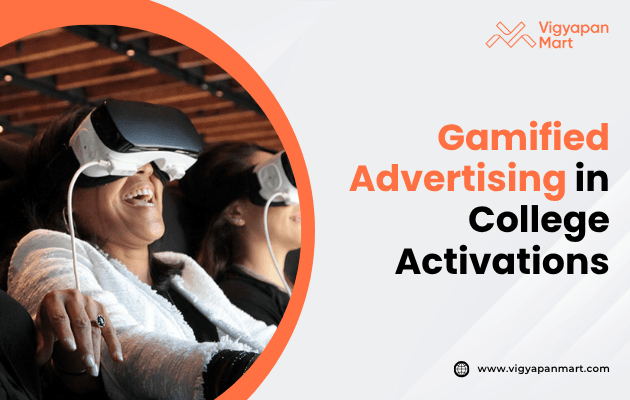
In the fast-moving world of marketing, especially on college campuses, grabbing attention is key. Gamified advertising uses game elements within brand activations to excite and engage college students. This blog will explore how gamified advertising works for college activations, why it is effective, and share key facts and examples to illustrate its impact.
What is Gamified Advertising?
Gamified advertising adds fun, game-like features such as points, badges, challenges, and leaderboards to marketing efforts. Instead of traditional ads that only show messages, gamified ads invite students to play and interact. For example, a brand might create a quiz, a scavenger hunt, or a digital badge system that rewards participation. This turns passive viewers into active players.
Why Gamification Works for College Students?
College students are digital natives. They grew up with technology, social media, and online games. They expect more than bland, pushy ads. Gamification appeals to them because it offers rewards, competition, and social interactions. It transforms usual marketing into memorable, fun experiences. According to recent studies, gamified college activations increase engagement and lead to deeper brand connections. Simple game elements like scoring points or earning badges trigger students’ competitive spirit. Social leaderboards let peers compare scores, adding motivation to participate. Rewards, such as discounts or giveaways, further encourage ongoing involvement. Students remember brands better when they feel part of a game.
Key Benefits of Gamified College Activations
- Higher Engagement: Gamification turns boring ads or events into exciting interactions. Students spend more time participating and exploring what the brand offers.
- Better Brand Recall: Interactive games make brand messages memorable. Students associate positive emotions with the brand through gameplay.
- Social Sharing: Games encourage sharing scores or achievements on social media. This spreads the brand reach organically across student networks.
- Data Collection: Brands gain insights from player data like preferences and behaviors to tailor future marketing.
Examples in Real College Activations
Many universities and brands have successfully used gamified advertising:
Here are some real examples from India where gamification boosted college activations:
1. Intel & HP Campus Craze Campaign
Intel and HP launched a campaign in Indian colleges targeting tech-savvy students for their gaming laptops. Using online quizzes and campus challenges, students earned points and competed for rewards like exclusive merchandise and discounts. This increased student participation and brand visibility significantly during campus fests and tech events.
2. Swiggy Cricket Quiz Gamification
Swiggy, a popular food delivery app, used cricket-themed quizzes tied to Indian Premier League (IPL) matches. They targeted college students with interactive quizzes that gave instant rewards like cashback or discount coupons. This campaign made use of gamification to boost app engagement around a passion point for Indian youth- cricket.
3. Amazon FunZone
Amazon India’s FunZone integrates simple games and challenges into its app experience, especially targeting young users including college students. By earning points through gaming and purchases, users unlock rewards and exclusive offers. This program uses gamification to increase app usage and brand loyalty among young urban Indians.
4. Flipkart Game Zone
Flipkart includes casual mobile games in its app where players can earn coins and coupons. College students find these games engaging and return often to play and shop. This gamified loyalty approach has helped Flipkart become a top choice among Indian youth for online shopping.
5. Virtual Campus Tours with Scavenger Hunts
Some Indian universities have started virtual campus tours combined with scavenger hunt games online. Prospective students engage in quests and challenges that teach them about the campus culture and programs. This gamification helped universities stand out during recruitment especially when physical visits were limited during the COVID-19 pandemic.
How to Create Effective Gamified College Activations?
To succeed, gamified advertising must keep students’ interests central. Here are some tips:
- Keep it simple and accessible. Games should be easy to join and play without too many rules or technical barriers.
- Provide clear rewards. Students want to feel their time and effort count towards something valuable.
- Use social features. Leaderboards, sharing options, and team challenges build community and friendly competition.
- Make it relevant. Tie games to campus culture, student interests, or academic themes for higher resonance.
- Include educational or informative content when possible, so the activation also benefits learning or awareness.
Conclusion
Gamified advertising makes college campaigns exciting and full of energy. It turns simple brand messages into games students love to play. Every point, challenge, or reward keeps them connected and curious. Students don’t just see the brand, they experience it. That’s what makes gamified activations so powerful on campuses today. At Vigyapan Mart, we believe fun builds stronger brand memories. Our team helps youth brands design campus experiences that feel like a game, not an ad. From quizzes and AR hunts to reward-based challenges, we craft activations students actually enjoy. If you want to turn your next college campaign into a playful, high-engagement experience, let’s create it together.
Subscribe to our newsletter
Get updates instantly! Join our community for the latest marketing insights.