
Geofencing and Location-Based Guerrilla Tactics: A Simple Guide
Geofencing and location based guerrilla tactics allow brands to connect with customers at the right place and time. Using virtual borders and surprise offers, businesses create cost effective, personal and impactful marketing campaigns that boost engagement and foot traffic.
Published August 29, 2025 · Updated April 13, 2026
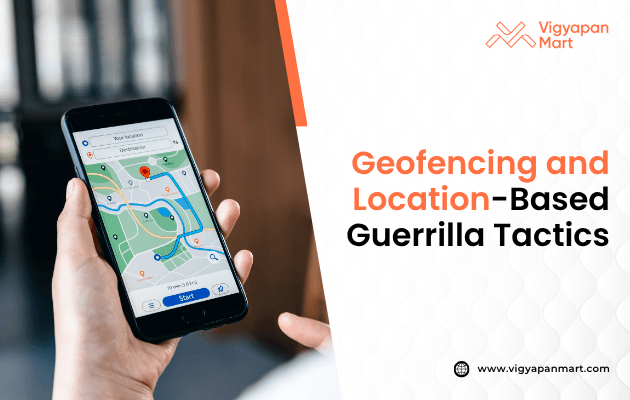
What is Geofencing?
Geofencing is a smart technology that lets businesses create invisible borders that are called “geofences” around real-world locations. These borders use GPS, Wi-Fi, Bluetooth, or RFID (radio signals) to track when someone with a phone or device steps into or out of those zones. When this happens, businesses can send special messages, ads, or deals directly to that person’s device.
For example, if you walk near a coffee shop, you might suddenly get a notification offering a discount on coffee. That’s geofencing in action.
How Does Geofencing Work?
Here’s how the process works, step by step:
- Businesses pick a place they want to target, like their store, a competitor’s location, or an event.
- They set up a virtual border around that area.
- When someone with a mobile device enters the geofence, their phone’s location data triggers the system.
- The person instantly gets ads, text messages, or app notifications encouraging them to visit the store or check out a deal.
Thanks to modern smartphones, geofencing can reach people almost anywhere while they shop, drive by, or attend a big event.
The Power of Location-Based Guerrilla Tactics
Guerrilla marketing means using creative, surprising, or low-cost tactics to grab attention in unconventional ways. When combined with geofencing, this becomes even more powerful:
- Guerrilla geofencing sends unexpected offers and messages to people when they are near a certain place, catching them by surprise in a good way.
- For example, a sneaker brand might trigger a discount ad when someone walks close to their rival’s store, tempting shoppers to switch brands.
- At concerts, sports games, or fairs, businesses can build geofences and send special offers only to event-goers, making every message unique and ultra-targeted.
Facts & Key Information
- More than 90% of people keep their smartphones with them all day. This makes geofencing extremely effective, as businesses can target customers the moment they are nearby.
- Geofences can be any size, just one street, a whole mall, or even an entire neighborhood can be targeted.
- Marketers can later use the data from who entered a geofence (and when) to adjust their campaigns and make them even smarter over time.
- Geofencing is being used by restaurants, shopping malls, apartment complexes, car dealers, and even political campaigns to attract attention right when it matters most.
Types of Geofencing Tactics
Here are some of the most common and creative ways businesses use geofencing:
- Competitor Targeting: Place a geofence around a rival’s location and send offers to their customers.
- Event Targeting: Set up temporary geofences at fairs, concerts, or conventions and send exclusive deals to people at those events.
- Foot Traffic Campaigns: Track how many people come into your store after seeing your ad. This helps measure real results.
- Hyper-Local Offers: Limit deals to people within a few blocks of your business, creating urgency and boosting walk-ins.
Benefits of Geofencing and Guerrilla Tactics
- Highly targeted: Only people in the right spots see your message, which means less wasted marketing.
- Personal and timely: People get offers exactly when and where they might want them.
- Cost-effective: Guerrilla-style geofencing can be a lot cheaper than big ad campaigns since it only targets select locations or times.
- Easy to measure: You can see how many people got your message and whether they visited your business.
Challenges and Things to Watch Out For
- Privacy matters: It’s important that businesses are open about collecting location data and let people opt in or out.
- Not everyone likes surprise ads: Some people may find location-based pop-ups annoying. Making offers useful and non-intrusive is key.
- Geofence accuracy: Technology is getting better, but sometimes location data can be a little off, especially in crowded cities or indoor spaces.
Examples to Understand
- A pizza place geofences the area around a school at lunchtime, sending flyers for student meal deals.
- At a sports stadium, merch shops use geofencing to send coupon codes to fans during halftime.
- Car rental companies geofence airports, offering special rates as soon as visitors land.
Conclusion
Geofencing and guerrilla advertising tactics make marketing feel smart, fast, and personal. They let brands reach people in the right place and at the right time with offers that matter. From local pizza shops to big stadium events, this mix of technology and creativity helps even small businesses stand out without spending big. The real key is using it with care, respecting privacy and keeping messages useful, not annoying. When done right, geofencing turns everyday moments into surprising opportunities. To explore how your brand can benefit, connect with Vigyapan Mart for tailored geofencing solutions.
Subscribe to our newsletter
Get updates instantly! Join our community for the latest marketing insights.