
Programmatic DOOH (Digital Out-of-Home) Ads for Street Furniture
Programmatic DOOH is transforming street furniture into smart ad spaces with real time targeting, flexible campaigns, and measurable insights. It blends automation with audience data to deliver timely, relevant, and impactful messages for brands and city commuters alike.
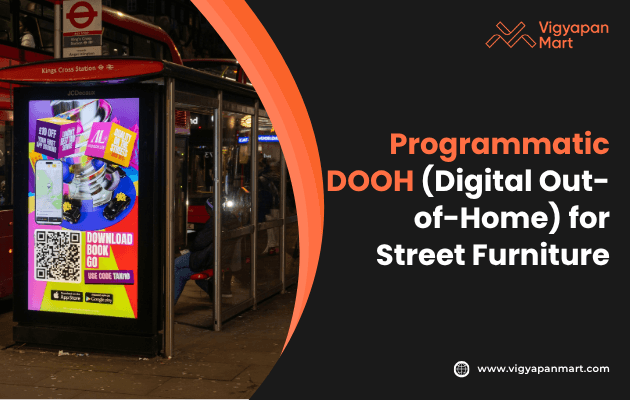
Street furniture like bus shelters, benches, and kiosks is getting a high-tech makeover. With Programmatic Digital Out-of-Home (DOOH), brands can now show digital ads on these public screens in smart, targeted ways. Let's break down what this means, how it works, and why it's changing outdoor advertising forever.
What Is Programmatic DOOH for Street Furniture?
Programmatic DOOH means using automated technology, real-time data, and digital screens to display ads in public places. Street furniture includes everyday city features like bus stops, benches, and information kiosks—anywhere people pause or pass through.
Instead of calling ad companies and negotiating for space, advertisers can now buy ad time and target audiences using data, similar to how ads are placed on websites or apps. This is done through specialized software platforms connecting advertisers with available ad screens in real time.
How Does It Work?
Here’s how the typical programmatic DOOH campaign operates:
- Advertisers use software platforms (DSPs) to set up their campaigns, choosing locations, desired audiences, budget, and the right time for their ad to appear.
- The platform analyzes real-time data (such as foot traffic, weather, or time of day) to decide when and where to show each ad for maximum effect.
- Automated bidding (real-time auctions) happens. The system selects the best-suited ad for each moment and screen.
- Once a match is made, the ad appears instantly on nearby bus shelters, benches, or kiosks.
For example, a coffee shop could show hot coffee ads at bus stops on chilly mornings, and switch to iced coffee ads when temperatures rise.
Why Street Furniture?
Street furniture is everywhere. People use bus stops, sit on benches, walk past information kiosks, and wait at taxi stands every day.
Benefits
- High visibility: Ads reach people traveling to work, school, or shopping.
- Captive moments: Audiences are often waiting—giving them time to notice digital screens.
- Urban targeting: Advertisers can target by neighborhood, time, or even weather, changing ads instantly.
Advantages of Programmatic DOOH for Street Furniture
1. Laser Targeting
With programmatic DOOH, advertisers can target:
- Time of day: Show breakfast ads in the morning and dinner ads at night
- Weather: Promote umbrellas when it rains, sunglasses when it’s sunny
- Local events: Adjust ads for festivals, games, or parades
2. Real-Time Flexibility
Ads can be updated or swapped out in seconds. If traffic is heavy at a certain bus stop, the system can show more ads there, right away. Campaigns can adapt on the fly, based on what’s actually happening.
3. Data & Analytics
Each ad impression is tracked. Advertisers get detailed reports showing:
- How many people saw the ad
- When and where it was shown
- Which messages performed best
This helps brands improve their campaigns and make smart decisions.
4. Seamless Multi-Channel Integration
Street furniture ads can include QR codes or NFC tags, linking the public message to online offers or social media pages. This creates an interactive bridge between digital and physical worlds.
For example, a bus shelter ad could display a QR code for a free coffee coupon, driving people directly to the nearest shop or a mobile app.
5. Efficient Buying Process
Traditionally, buying outdoor ad space was slow and manual. Now, programmatic platforms:
- Allow advertisers to manage multiple screens and campaigns from a single dashboard
- Make it easy to launch big campaigns with small teams
Key Industry Facts & Growth Data
- The DOOH industry is booming: Between 2016 and 2023, global DOOH grew from $3.6 billion to $8.4 billion.
- By 2025, DOOH ad spend is projected to reach €17.38 billion, with annual growth of over 7%.
- Effectiveness: 69% of people who saw digital street-level OOH ads visited the advertiser’s website or store, and 62% took action with their mobile device after seeing an ad.
Conclusion
Programmatic DOOH for street furniture is redefining how brands engage with urban audiences, making ads more timely, targeted, and impactful. By combining real-time data with automated ad buying, it allows businesses to deliver the right message at the right moment; whether that’s a morning coffee ad at bus stops or weather-based promotions in specific neighborhoods. For advertisers, this means greater efficiency, actionable insights, and seamless integration with online channels, while commuters benefit from more relevant, engaging content in their daily journeys. As programmatic DOOH grows rapidly worldwide, now is the perfect time to explore its potential. Connect with Vigyapan Mart for a consultation and discover how smart street furniture advertising can elevate your campaigns.
Subscribe to our newsletter
Get updates instantly! Join our community for the latest marketing insights.