
How International Brands are Using Street Furniture for Local Relevance?
International brands use street furniture to blend global presence with local identity. By customizing ads, adding smart features, and supporting communities, they build cultural relevance, increase engagement, and strengthen connections with people in daily urban spaces.
Published July 25, 2025 · Updated April 13, 2026
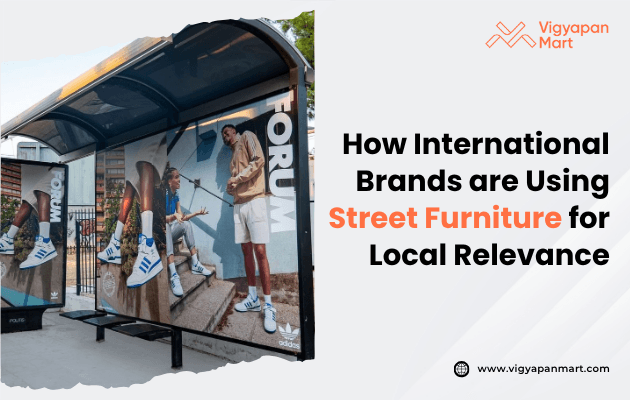
In modern cities, street furniture such as benches, bus shelters, bins, and kiosks has become more than just a part of urban landscapes. International brands have recognized the power of these fixtures for connecting with people at a local level. By using street furniture, brands can make their messages feel more personal, relevant, and community-focused. Let’s explore how global companies are using street furniture to build local relevance, share some key facts, and look at examples that highlight why this strategy is on the rise.
What is Street Furniture in Advertising?
Street furniture refers to objects installed on streets and public spaces. This can include:
- Benches
- Bus shelters
- Kiosks
- Bicycle racks
- Public toilets
- Street lighting and digital panels
In advertising, street furniture is used to deliver both functional and promotional messages, blending brand presence into daily urban life. People interact with these objects as part of their routines, so ads placed on them are hard to ignore.
Why Do Brands Choose Street Furniture for Local Impact?
International brands use street furniture because of its hyper-local nature. Big billboards and traditional ads might feel distant, but ads on things people use every day such as benches and bus shelters that feel familiar and are experienced up close.
Here’s why this approach is effective:
- Proximity to people’s daily life: Street furniture sits at the heart of neighborhoods, shopping zones, and commuting spots. This puts brands right where people live, work, and shop.
- Creates a sense of place: Especially in areas filled with global chains, street furniture helps give a unique, local identity and makes spaces more welcoming.
- Engagement and interaction: People notice street furniture ads more because they interact with the furniture itself, sitting, waiting, or passing by.
Key Facts & Data
- 85% of people who recall out-of-home (OOH) ads remember seeing them on street furniture. Of these, 43% have gone to a store to buy something after seeing the ad; 24% did so immediately.
- Street furniture reaches suburban and untapped areas that billboards cannot, because of local zoning laws. This gives brands unique access to residential audiences.
- 56% of people act online after seeing street furniture ads by scanning QR codes, searching products, or visiting social media.
- Digital street furniture is growing fast with smart cities, integrating features like free Wi-Fi, charging ports, and real-time info, making ads even more useful and attention-grabbing.
How International Brands Make Their Ads Local?
International brands don’t just put their logo on a bus stop and call it a day. They work hard to adapt their messages and design to fit local cultures and needs.
1. Customizing Content and Language
Brands use local languages, symbols, and city-specific themes on street furniture. For instance, a brand might use colors and images that are meaningful in that region, or reference local sports teams and events.
2. Smart Technology Integration
In many cities, digital shelters and kiosks show ads that change with the weather, time of day, or special events. Some even offer Wi-Fi or USB charging, so people interact longer, increasing ad attention.
3. Partnering with Local Businesses or Artists
Some brands team up with local artists to design unique street furniture, blending advertising with public art. This approach makes residents feel like the brand cares about the community.
4. Supporting Community Projects
Brands have sponsored projects like recycling bins, eco-friendly benches, or shaded waiting areas, showing they support green and social causes that matter to locals.
Examples of Street Furniture Advertising Campaign Success
- McDonald’s increased foot traffic by 131% with a street furniture ad campaign in Los Angeles. They combined digital ads at bus shelters with mobile targeting and influencer partnerships to lead more people into local stores.
- JCDecaux, a leader in outdoor advertising, has contracts in Sydney and other major cities to install “intelligent street furniture” such as interactive signs, digital panels, and more, helping make cities smarter and brands more visible.
- Leading products like Nestlé, Coca-Cola, and Nike often use street furniture during local festivals, school openings, or public holidays with special limited-time designs targeted at residents.
The Future: Smart and Sustainable Growth
The street furniture market is growing fast. By 2029, it’s expected to top $13.47 billion globally, fueled by more cities investing in smart and eco-friendly urban spaces. International brands are focusing on:
- Sustainable materials
- Multifunctional public spaces
- Digital, real-time content
- Inclusive designs for accessibility
These changes mean that street furniture will remain a powerful tool for brands to stay culturally connected with local communities—no matter how big the company is.
Conclusion
Street furniture gives international brands a unique way to connect locally, blending global messaging with community identity and everyday experience. By customizing designs, using smart technology, and supporting local causes, brands move beyond simple advertising to become part of city life. Interested in making your brand more relevant in local markets? Book a street furniture advertising consultation session with Vigyapan Mart experts and unlock new possibilities for community engagement and visibility.
Subscribe to our newsletter
Get updates instantly! Join our community for the latest marketing insights.