
How Tech Startups Use Street Furniture to Launch New Apps?
Tech startups use street furniture like smart benches and digital kiosks to launch apps, gather data, and build awareness. These innovations make cities smarter, engage users directly, and provide sustainable, cost effective platforms for urban technology growth.
Published July 27, 2025 · Updated April 13, 2026
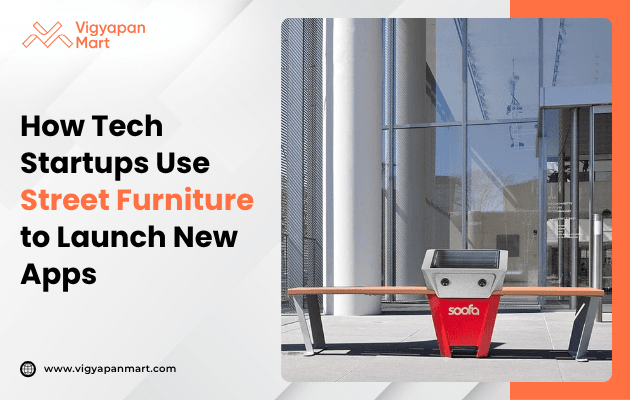
Have you ever seen a bench with solar panels or a smart screen at a bus stop? These are not just regular street furniture anymore. Tech startups are using them to launch new apps, make cities smarter, and improve everyday life. In this blog, we will explore how this works, why it's important, and see some cool examples from around the world.
What is Street Furniture?
Street furniture means anything you see in public places that you can use or rest on. This includes:
- Benches
- Bus stops
- Smart kiosks
- Lamp posts
- Trash bins
These are found everywhere in cities and towns. But today, with technology, they can do much more than just sit there.
Turning Benches and Bus Stops Into Smart Devices
Tech startups are turning normal street furniture into “smart furniture” by adding:
- Wi-Fi hotspots
- Charging ports for phones
- Digital screens
- Sensors for air quality and traffic
For example, Serbian startup Strawberrye created the “Smart Bench 2.” This solar-powered bench can charge your phone and check the air quality where it stands. Through a special app, anyone can use their phone to find the nearest smart bench, see pollution data, and even suggest spots for more benches.
How Startups Use Smart Furniture to Launch Apps?
Real-World Testing
Startups put their new apps directly on street furniture. People walking by can try these apps instantly, without needing to search for them in app stores.
- For instance, some benches or kiosks show QR codes. Passersby scan them to interact with apps for payments, maps, or games. Startups collect feedback right away, seeing how users respond in real situations.
Easy Data Collection
Smart street furniture often includes sensors and Internet connectivity. Startups use them to:
- Gather anonymous data on how many people use a bench or pass by a kiosk
- Track air pollution, temperature, or even noise levels
- Use this data to improve their apps or create entirely new ones
This helps startups make better decisions based on real data, not just guesses.
Marketing and Brand Awareness
Street furniture in busy spots gets thousands of views daily. By placing new tech on it, startups:
- Reach a huge audience without spending a lot on advertising
- Let people experience their new apps in person, making them more likely to remember and use them again
For example, a startup might launch a transit app by having it featured on digital bus stop screens. Commuters can check bus timings, download the app, or even get live updates on their path.
Examples of Startups Launching Apps Through Street Furniture
Here are some real-world examples:
- Strawberrye: Their Smart Bench lets users access real-time local information using a phone app and also charges devices with solar power.
- Green City Solutions: They made “CleanAir+” benches. These not only clean the air using special moss but let people use an app to see pollution data and learn about clean air benefits.
- Urban Ladder: Worked with tech startup Whodat to create the “Urban Storage” app—a modular wardrobe configurator, helping people design wardrobes in public showroom spaces before buying.
- WoodenStreet: Uses both physical experience stores and web apps to help customers design custom furniture, blending online and offline interaction. Their app lets users choose styles and materials before trying out furniture in one of their many stores across India.
Why This Matters: Benefits of Using Street Furniture?
- Accessibility: Everyone can use it, including those who might not download a new app on their own.
- Education: The public can learn about new technology easily and try things risk-free.
- City Improvement: Makes cities safer, smarter, and more comfortable for all.
- Sustainability: Solar-powered furniture saves energy and often creates cleaner, greener spaces.
Cool Facts
- Smart benches can track how many people sit down and which times are busiest.
- Air-purifying benches can remove harmful gases and produce oxygen in public areas.
- Urban Ladder’s first app was built without needing constant internet so users could experiment with it anywhere, uploading only when needed.
- Startups like WoodenStreet grew their business by combining online customization tools with real-life, street-level experience, opening over 25 physical stores across India.
The Future of Apps and Street Furniture
As cities become more crowded and digital, the connection between tech startups and street furniture will only grow. Expect to see:
- More free public Wi-Fi spots
- Augmented Reality (AR) apps you can try out in parks and squares
- Smart ads or games you can play while waiting for the bus
Tech startups are finding new ways every day to make city life better, one smart bench or digital bus stop at a time.
Conclusion
Tech startups are redefining urban spaces by turning street furniture into launchpads for new apps, blending technology with everyday life. With smart benches, digital kiosks, and interactive bus stops, they reach massive audiences, gather real-time feedback, and make cities smarter and greener. Ready to showcase your app at street level? Book a street furniture advertising consultation session with Vigyapan Mart experts and give your tech brand the visibility and engagement it deserves in the heart of your community.
Subscribe to our newsletter
Get updates instantly! Join our community for the latest marketing insights.