
Measuring ROI of Effective Real-World Street Furniture Advertising Campaigns
Street furniture advertising delivers visibility, engagement, and sales when measured effectively. By tracking impressions, conversions, and brand sentiment, companies prove ROI and maximize impact with smart, creative campaigns that connect real world ads to measurable business growth.
Published July 29, 2025 · Updated April 13, 2026
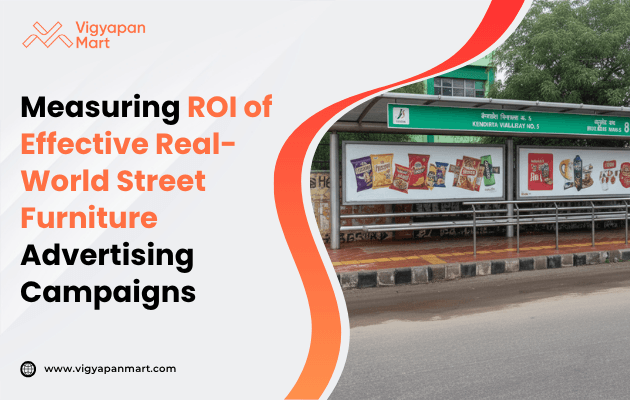
Street furniture advertising is everywhere: bus shelters, benches, kiosks, newsstands, and more. These public fixtures can become powerful marketing tools, making brands part of daily city life. But for businesses, the real question is: Does street furniture advertising deliver results? Let's explore how companies measure return on investment (ROI) for these campaigns, and look at some real-world success stories that show what works.
What Is Street Furniture Advertising?
Street furniture advertising means placing ads on objects people use or pass by every day such as bus stops, benches, and kiosks. These ads grab attention in high-traffic urban locations and keep brands top-of-mind for commuters and pedestrians. It's a type of out-of-home (OOH) advertising, which also includes billboards and transit ads. Why do brands use it? Simple: it connects them directly with real people in the real world, outside the digital noise of smartphones and computers.
How to Measure ROI for Street Furniture Advertising?
ROI stands for Return on Investment. It answers the question: "Am I earning more from this ad than I'm spending on it?" Here’s a basic way to calculate ROI:
ROI = [(Profit from Campaign – Cost of Campaign) / Cost of Campaign] x 100
When measuring street furniture ads, here’s what to focus on:
- Impressions: The total number of times your ad is seen.
- Reach: The number of unique people who see your ad.
- Frequency: How often each person sees your ad.
- Engagement: Did your ad prompt actions—even just scanning a QR code or snapping a photo?
- Conversion Rates: The number of people who went on to do something you wanted—like visiting your store or website.
- Sales or Website Lift: If sales or web traffic go up during the ad campaign, that's a big ROI clue.
- Brand Sentiment: Did people talk about your brand more, or view it more positively, after the campaign?
It's not always easy to directly link a sale to an ad on a bench. That's why companies use supporting tools like special URLs, hashtags, or QR codes directly in the ad, so they can track how many people take action because of that exact ad.
Examples for Creating A Winning Street Furniture Campaign
Let’s look at a few example campaigns and the results:
1. Blue Apron’s Branded Transit Campaign
What They Did: Blue Apron, the meal kit company, used branded trains and posters at busy city platforms.
The Results: They saw a 29% increase in subscriptions during the campaign. Surveys before and after also showed more people viewed the brand positively.
How They Measured It: Sales tracking, pre- and post-campaign surveys, and online analytics.
2. Major Coffee Chain’s Bus Shelter Launch
What They Did: A national coffee brand advertised new drinks at bus shelters using large posters with a QR code for a special offer.
The Results: Over two weeks, they tracked thousands of QR scans, each linked directly to a free drink download, which later translated to in-store visits.
How They Measured It: QR code scans, store visits, and incremental sales during the campaign period.
3. Retailer’s Interactive Bench Campaign
What They Did: A fashion retailer wrapped benches near shopping districts with bright, creative designs and unique hashtags.
The Results: The hashtag trended locally, and the retailer saw a spike in both social media mentions and in-store foot traffic compared to similar weeks before the campaign.
How They Measured It: Tracking hashtag use online, comparing foot traffic data, and monitoring sales lift.
Key Facts and Tips for Measuring ROI
- On average, every $1 spent on marketing returns $4 in revenue, but actual numbers will vary.
- Always compare sales or leads during the ad campaign with a similar period before. Look for a noticeable lift.
- Adding digital elements such as QR codes, special URLs, or hashtags helps link offline ads to real results online.
- Use SMART goals: goals that are Specific, Measurable, Achievable, Relevant, and Timely. This gives you a clear way to know if your ad worked.
- For the best picture of ROI, mix different data: sales numbers, web stats, and surveys that ask people where they heard about you.
Making Street Furniture Ads Work for You
Street furniture advertising isn’t just about having your poster on a bus stop; it’s about smart planning and careful measurement. Companies that get the best ROI do a few key things:
- Set clear goals before the campaign starts.
- Use tools to track engagement (QR codes, special offers, etc.).
- Analyze all the data: website spikes, sales, social chatter, and survey feedback.
Conclusion
The real success comes from matching creative ads with meaningful measurement. When it’s done right, street furniture becomes more than just part of the city, it becomes a business growth engine. And now, with smart ROI tracking, you can prove it works. Want to explore street furniture advertising and how to analyse its ROI? Connect with Vigyapan Mart experts today.
Subscribe to our newsletter
Get updates instantly! Join our community for the latest marketing insights.