
Multilingual Street Furniture Ads for Diverse Urban Audiences
Multilingual street furniture advertising empowers brands to connect with diverse urban audiences. By speaking in local languages, these campaigns boost engagement, improve recall, and foster inclusivity while turning city spaces into meaningful community touchpoints.
Published August 4, 2025 · Updated April 13, 2026
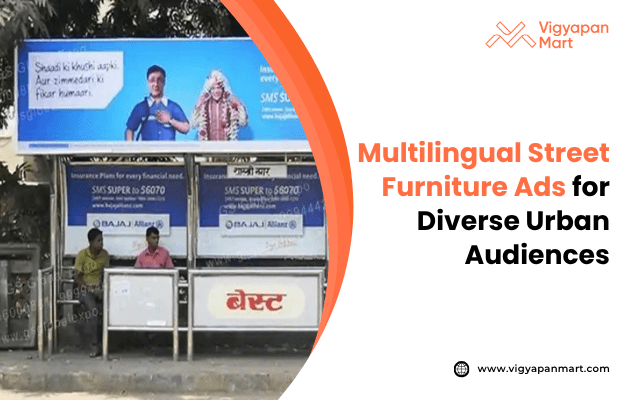
Street furniture advertising has become a powerful tool in cities around the world. It uses bus shelters, benches, kiosks, and other public fixtures to deliver messages to people as they move through urban spaces. But as cities get more diverse, using multilingual ads is now more important than ever. Let’s explore why these ads matter, how they work best, and what trends are shaping the future of urban street furniture advertising.
What is Street Furniture Advertising?
Street furniture advertising refers to posters, panels, or digital screens on public structures like:
- Bus shelters
- Benches
- Kiosks
- Bike share stations
- Trash cans
These ads are at eye level and are placed in high-traffic areas. This makes them easy for people walking, driving, or waiting for public transport to see.
Key fact
- Nearly 85% of people who notice out-of-home ads remember street furniture media.
- Almost 24% of people buy something right after seeing a street furniture ad.
Why Multilingual Ads Matter in Urban Environments?
Cities are becoming more multicultural every year. People from various language backgrounds live, work, and travel through these urban areas.
Why go multilingual?
- Reach more people: Not everyone speaks the same language.
- Shows respect: Using a person's first language feels welcoming.
- Boosts brand recall: People remember ads better in their own language.
- Supports local needs: Ads can speak to specific communities or neighborhoods.
Fact
Localized ads can make national brands feel more relevant to local residents.
How Multilingual Street Furniture Ads Work?
1. Localized Targeting
Brands can place ads in multiple languages based on the community. For example:
- A Spanish-language ad in a Latinx neighborhood.
- Mandarin ads near Chinese markets.
- Hindi or Urdu near cultural centers.
Using the right language for each area boosts the chance that people will notice and understand the ad.
2. Simple, Clear Messaging
People often glance at these ads for only a few seconds, so messages must be short and easy to read. Use:
- Big fonts
- Clear visuals
- Few words per panel
Keep the message simple, so everyone can understand—even if their reading skills are low.
3. Hyperlocal Approach
Street furniture ads let brands target very small areas, even a single block or street corner. This allows ads to address local concerns, events, or directions like “Store is just two blocks away!”.
Adding Value to the Urban Space
The best street furniture ads don’t just sell products. They also make the city better.
Examples
- Bus shelters with free WiFi or phone charging
- Benches with community information screens
- Kiosks with maps or local event info
When ads help people, the brand is seen as helpful, not just trying to sell something.
Technology and Engagement with Street Furniture Ads
Street furniture is getting smarter thanks to new technology:
- Interactive screens: People can touch the screen for info in their language.
- QR codes or NFC: Scan to see videos or websites in different languages.
- Data collection: Systems track which languages are used most, so ads can be updated to fit the local audience.
Key Benefits of Multilingual Street Furniture Ads
| Benefit | Description |
|---|---|
| High Visibility | Runs at eye level in busy spots. |
| Cost-Effective | Cheaper than TV or big digital billboards. |
| Localized Messaging | Ad language and message can change block-to-block. |
| Brand Engagement | 85% recall rate; over 40% visit a store after seeing an ad. |
| Public Service | Builds goodwill by offering value (charging, info, comfort). |
| Flexible Placement | Targets both pedestrians and motorists, anywhere from parks to main streets. |
Tips for Effective Multilingual Ad Design
- Keep it simple: Use short phrases instead of long sentences.
- Use strong visuals: Images help when language skills vary.
- Be culturally aware: Avoid imagery or words that may confuse or offend.
- Use clear translation: Work with local speakers, not just machine translation.
- Interactive options: Let users pick their language on digital displays.
Real-World Impact and Future of Street Furniture Ads
Street furniture ads are remembered by most city dwellers, and more brands are using them to truly connect with local communities. As urban populations become even more diverse, expect to see more ads in multiple languages, with smarter features to serve people better.
Conclusion
Multilingual street furniture ads are more than just marketing—they’re bridges that connect diverse urban communities. By speaking to people in their own languages, these campaigns build trust, improve recall, and create real neighborhood impact. With the right mix of creativity, technology, and cultural sensitivity, brands can transform everyday city spaces into powerful channels of connection. Want to reach diverse audiences more effectively? Book a consultation with Vigyapan Mart experts today and let’s craft multilingual street furniture advertising campaigns that truly resonate.
Subscribe to our newsletter
Get updates instantly! Join our community for the latest marketing insights.