
Nonprofit Campaigns That Changed Perceptions with Street Furniture
Nonprofits creatively transform street furniture into tools for awareness and change. From artistic bins to interactive benches, these campaigns raise visibility, foster empathy, and spark meaningful conversations in communities while staying cost effective and impactful.
Published July 26, 2025 · Updated April 13, 2026
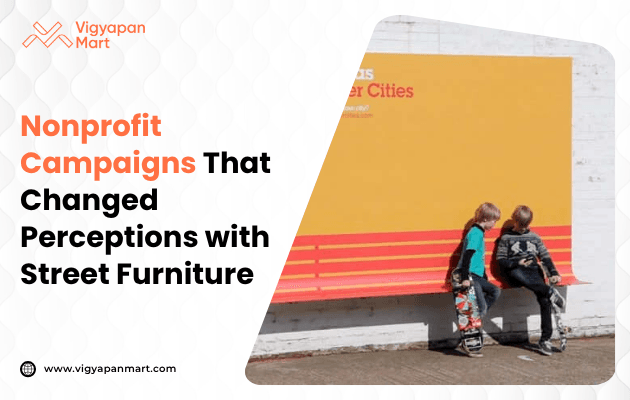
Street furniture such as benches, trash bins, planters, bus shelters, and even public tables are everyday objects we often overlook. Yet, some nonprofits have creatively used these urban staples to promote causes, raise awareness, and change public perceptions. These campaigns transform ordinary street furniture into powerful storytelling tools that engage communities in unexpected ways.
What Is Street Furniture Marketing?
Street furniture marketing involves using public space objects as canvases or platforms to communicate messages. This kind of marketing captures attention because the furniture is placed where people naturally rest or wait, offering a captive audience. Nonprofits harness this idea by blending art, information, and utility, turning simple benches or trash bins into mediums for social and environmental campaigns.
Why Use Street Furniture for Nonprofit Campaigns?
Public spaces and their furniture are part of city residents’ daily lives. When designed thoughtfully, these elements can make urban environments more enjoyable and meaningful. Local governments increasingly seek street furniture that is functional, comfortable, and visually appealing, helping foster social connections and community wellbeing. For nonprofits, it means:
- High visibility: Objects like benches and bins are used daily.
- Emotional connection: People interact directly by sitting, reading, or disposing of waste.
- Broader reach: Campaigns in public spaces can engage residents and tourists alike.
- Cost-effective storytelling: Compared to mass media ads, street furniture can be a clever, budget-friendly option.
Top Examples of Nonprofit Campaigns Using Street Furniture
1. Artistic Trash Bins Campaign
A city’s waste management partnered with local artists to redecorate trash bins, turning them into colorful public artworks. This campaign encouraged people to dispose of waste properly while highlighting local creativity. It transformed boring bins into conversation starters that raised environmental awareness.
2. Park Bench Storytelling Campaign
A publishing company placed park benches in public parks with short excerpts from popular books painted on them. Passersby could sit and enjoy a snippet of literature during their breaks. This not only boosted literacy but also created a relaxing reading culture in city parks. The campaign showed how street furniture can promote education and leisure simultaneously.
3. Color-Themed Awareness Campaigns
Nonprofits such as GLAAD brighten public spaces with color-specific campaigns such as Spirit Day, where purple-themed furniture and public items appear to support anti-bullying for LGBTQ+ youth. Such initiatives use color psychology to make causes visible and unite diverse communities.
4. Infographic-Integrated Furniture
Some nonprofits integrate infographics onto street furniture, visually explaining issues like water scarcity or hunger in a simple way. This approach uses minimal text and strong visuals for quick comprehension, helping passersby grasp complicated problems and motivating them to act.
5. Interactive and Tech-Infused Furniture
While less common, some campaigns utilize technology such as QR codes or augmented reality on street furniture to provide interactive experiences. Users scan codes for videos or stories about the nonprofit’s mission, deepening engagement beyond just passive observation.
How These Campaigns Change Perceptions?
- Engagement through experience: People don’t just see messages; they interact with them by sitting, reading, or disposing of trash thoughtfully.
- Emotional storytelling: Using relatable stories, art, and simple visuals creates empathy and a stronger connection than traditional advertising.
- Positive associations: Linking everyday comfort and convenience (a bench or trash bin) with a cause improves how people feel about the nonprofit’s mission.
- Community building: Campaigns encourage people to linger more in public spaces, facilitating social connections and discussions around important issues.
What Makes Street Furniture Effective for Nonprofits?
- Strategic placement: Furniture must be in high-traffic, visible, but also relaxed areas.
- Design and usability: Items should remain functional and comfortable while conveying the message.
- Simplicity: Messages and visuals must be easy to understand in moments, often without text-heavy content.
- Local involvement: Collaborating with local artists or communities increases authenticity and pride.
The Broader Impact on Public Spaces and Society
These campaigns illustrate how street furniture is more than just city decoration. They contribute to social change and urban wellbeing. As cities strive to make public spaces clean, attractive, and interactive, nonprofits can become partners in that transformation. By reimagining street furniture as a tool for storytelling, nonprofits can turn ordinary moments in public places into meaningful encounters with their causes.
Conclusion
Street furniture campaigns empower nonprofits to spark real conversations and foster empathy through daily interactions in public spaces. By blending art, information, and technology into objects like benches and bins, nonprofits can change perceptions and inspire positive action with limited resources. Want to make your own cause unforgettable? Book a street furniture marketing consultation session with Vigyapan Mart experts and turn everyday city spaces into powerful platforms for social impact.
Subscribe to our newsletter
Get updates instantly! Join our community for the latest marketing insights.