
The Future of Street Furniture Advertising: Predictions for 2030 and Beyond
By 2030, street furniture will be smart, eco-friendly, and community-driven. From solar-powered lighting to modular benches and recycled designs, it will reshape urban spaces, enhance connectivity, and support sustainable, inclusive city living for growing populations.
Published July 18, 2025 · Updated April 13, 2026
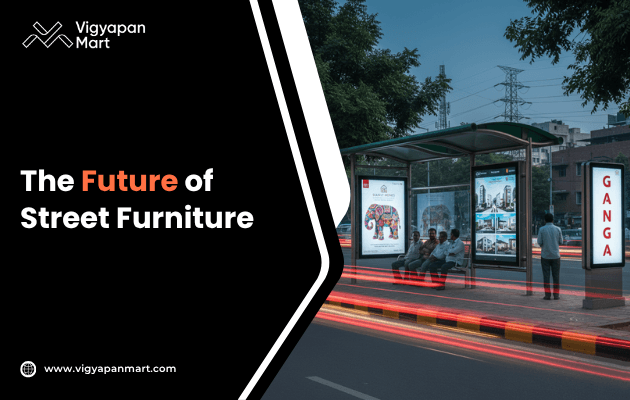
Street furniture is simply the benches, bins, bus stops, signs, bike racks, and similar items you see in public spaces. But in the years ahead, these common objects will become much more important, smarter, and eco-friendly. Let’s look at why and how street furniture will change by 2030, and what that could mean for the cities of tomorrow.
Growth: Bigger Cities Mean More Street Furniture
Right now, more than half of the world's population lives in cities. By 2030, that number is expected to grow to around 5 billion people. As more people move to urban areas, there’s a bigger need for comfortable, practical public spaces. That means higher demand for things like benches, lighting, trash bins, and covered bus stops. The street furniture market is projected to grow rapidly. For example:
The market was worth about $9.86 billion in 2024. It’s expected to reach $13.47 billion by 2029, with a yearly growth rate of around 6.4%.
This growth comes from several sources:
- Rapid urbanization
- Smart city and urban beautification projects
- Investments in public infrastructure
- People wanting attractive and useful outdoor spaces
Smart & Connected: Technology Meets the Streets
The next generation of street furniture will be “smart.” What does that mean?
- Solar-powered lighting: Streetlights and even bus stops will use solar panels to provide clean energy.
- Wi-Fi-enabled benches: People will be able to sit down and connect their devices to free internet.
- Digital information kiosks: Instead of simple signs, cities will offer high-definition screens with maps, event details, or transit schedules in real time.
- IoT and sensors: “Internet of Things” devices will let benches record how many people use them, or bins tell city workers when they need to be emptied.
All this means public spaces will be more interactive, efficient, and helpful. For example, sensor-equipped waste bins will reduce litter by alerting city crews the moment they’re full. Smart bus shelters might display accurate arrival times and even include charging ports for phones.
Greener and Cleaner: The Rise of Eco-Friendly Designs
People everywhere are more concerned about the environment, and this is changing how street furniture is made. Municipalities want products made from recycled plastic, sustainably sourced wood, or metal alloys that don’t rust easily. There’s also an increasing focus on energy-saving features like solar-powered lighting and water-saving fountains. Many cities are choosing furniture that can be recycled at the end of its life, supporting a “circular economy” where nothing is wasted. For example, the eco-friendly furniture market (which includes street furniture) is expected to grow from $43.26 billion in 2022 to $83.76 billion by 2030. Many people are now willing to pay more for products that are good for the environment, and governments are demanding greener options.
Customization, Modularity, and Community Focus
Street furniture used to be simple and all the same. That’s changing fast.
- Custom designs: Cities want furniture that fits their unique style or culture. It could have colors or symbols important to the local community.
- Modular systems: Benches, planters, or even bike racks might snap together in creative ways. That means cities can quickly reconfigure public spaces for events or large crowds.
- Inclusivity: Designs will be more accessible to everyone, including kids, senior citizens, and people with disabilities.
This focus on community means that furniture not only serves a purpose but also helps people feel comfortable, proud, and connected to their city. It makes outdoor spaces enjoyable and encourages everyone to spend more time outside.
Public and Private Investments
Many upgrades in street furniture will be made possible through partnerships between governments and private companies. For instance, companies might build and maintain digital bus shelters in exchange for advertising space. Governments see street furniture as a key tool in making cities feel new and welcoming. Upgraded public spaces attract tourists, support local businesses, and can even help keep neighborhoods safer by encouraging more people outdoors.
What Will Street Furniture Look Like in 2030?
Here’s what you might see on your city streets in 2030 and beyond:
- Benches that charge your phone and track local air quality
- Smart litter bins that talk to city workers
- Solar-powered streetlights that adjust brightness based on how crowded a sidewalk is
- Artistic, modular furniture that helps cities quickly prepare for special events
- Bike racks and bus stops built from recycled, long-lasting materials
Street furniture is moving from simple objects to smart urban assets, helping cities become greener, safer, and more enjoyable for everyone. As cities keep growing, street furniture will be everywhere, shaping how we live, play, and share our neighborhoods. Want to explore more about how street furniture works and how professional outdoor advertising firms like Vigyapan Mart can uplift your business branding with street furniture advertising? Connect with us today and book a free consultation session with our advertising experts.
Subscribe to our newsletter
Get updates instantly! Join our community for the latest marketing insights.