
The Power of Experiential Marketing
Experiential marketing creates immersive, emotional brand experiences that engage consumers beyond traditional ads. By fostering memorable interactions, boosting brand loyalty, and encouraging social sharing, it offers higher ROI and differentiation making it a powerful strategy for modern, connection-driven marketing.
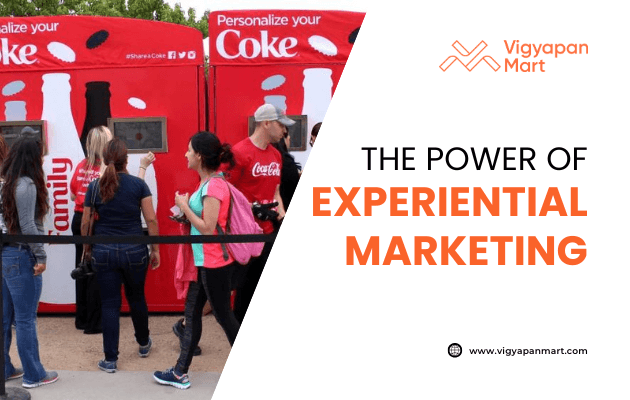
In today’s fast-paced, digital-driven world, brands are constantly vying for consumer attention. Traditional advertising methods, while still effective, often fail to create the deep, emotional connections that drive long-term loyalty. Experiential marketing is a strategy that engages consumers in memorable, real-life experiences. But how is it better than traditional marketing? In this blog, we will discuss experiential marketing, its benefits, and how businesses can leverage it to build lasting relationships with their audience.
What is Experiential Marketing?
Experiential marketing is a strategy that engages consumers by creating live, immersive experiences. Unlike conventional ads that passively target audiences, experiential marketing transforms them into active participants. This approach builds emotional connections with brands by appealing to multiple senses and creating unforgettable moments.
Key Characteristics
- Interactive: Consumers engage directly with products or services.
- Memorable: Experiences are designed to leave a lasting impression.
- Personalized: Tailored to individual preferences and needs.
Examples:
- Pop-Up Shops: Temporary stores offering unique brand experiences.
- Product Demos: Hands-on trials, such as car test drives or gadget showcases.
- Live Events: Concerts or festivals sponsored by brands.
- Social Media Integration: Campaigns encouraging user-generated content.
For instance, Ben & Jerry’s “Tweet to Get Ice Cream” campaign combined social media and experiential marketing by delivering free ice cream to customers who tweeted their location.
Why is Experiential Marketing Important?
Experiential marketing goes beyond selling a product—it builds trust, loyalty, and emotional connections. Here’s why it matters:
1. Emotional Connection
Consumers are more likely to remember how a brand made them feel rather than what it advertised. Positive emotions foster loyalty and influence purchasing decisions.
2. Brand Differentiation
In crowded markets, experiential campaigns help brands stand out by offering something unique and engaging.
3. Data Collection
Interactive events allow brands to gather valuable insights about consumer preferences and behavior. For example, hosting a product demo can reveal which features resonate most with users.
4. Word-of-Mouth Marketing
Memorable experiences encourage consumers to share their stories online and offline, amplifying brand reach organically.
Benefits of Experiential Marketing
| Benefit | Description |
|---|---|
| Increased Engagement | Interactive campaigns capture attention better than static ads. |
| Stronger Brand Loyalty | Emotional connections lead to repeat customers. |
| Higher ROI | Experiences often yield better returns due to their lasting impact. |
| Social Media Buzz | Shareable moments increase visibility on platforms like Instagram. |
Real-Life Examples of Experiential Marketing
- Ola’s Experiential Marketing with Narain Kartikeyan: Ola created a memorable experience by having Indian F1 driver Narain Kartikeyan drive passengers as a cab driver to promote its Ola Prime feature.
- Tinder’s College Campaign: Tinder targeted Indian colleges to create a buzz around its dating app by engaging with young adults in a culturally relevant way.
- Reebok’s Laser Maze Challenge: Reebok launched a laser maze challenge at its store opening in Delhi, where participants navigated through lasers to collect Reebok tags and win prizes.
- Pepsi’s ‘Swag Wali Dilli’ Campaign: Pepsi celebrated Delhi's vibrant culture through street performances and events, connecting with the youth and enhancing brand engagement.
- Other Notable Mentions: Global brands like IKEA and Airbnb have inspired creativity in experiential marketing with unique experiences like sleepovers and overnight stays, which could be adapted for Indian audiences.
Top Strategies for Successful Experiential Marketing
To create an impactful campaign, businesses need a well-thought-out plan. Here are some key strategies:
1. Know Your Audience
Understanding your target demographic is crucial for designing relevant experiences. For example:
- Millennials prefer interactive digital campaigns.
- Families may respond better to community-centric events.
2. Leverage Technology
Incorporate AR/VR or gamification elements for a modern twist. For example:
- A sporting goods store could use VR simulations of hiking trails.
3. Create Shareable Moments
Design experiences that encourage social media participation:
- Use branded hashtags.
- Set up photo-worthy installations like Coca-Cola’s “Share a Coke” campaign.
4. Measure Success
- Track metrics like attendance, social media mentions, and sales conversions to evaluate ROI.
Why Now is the Time for Experiential Marketing
In an age where consumers crave authenticity and connection, experiential marketing has become more relevant than ever:
- Surveys show that 72% of consumers prefer spending money on experiences over material goods.
- Personalized experiences increase repeat business by 96% and boost sales by 94%.
Moreover, the rise of social media has amplified the reach of experiential campaigns as users share their experiences with friends and followers.
Conclusion
Experiential marketing is not just a trend—it’s a powerful tool for building meaningful relationships between brands and consumers. By creating memorable experiences that engage emotions and foster loyalty, businesses can stand out in competitive markets while driving long-term success. Whether you run a small business or a global corporation, experiential marketing can transform how your audience sees your brand.
Are you looking for an experiential marketing agency to launch your next campaign? Connect with Vigyapan Mart today!
Subscribe to our newsletter
Get updates instantly! Join our community for the latest marketing insights.